
Oral Cancer Screening: Why Early Detection Matters
Oral Cancer Screening is one of the most important preventive steps you can take for your health, yet many people underestimate its value. This simple examination helps identify early signs of mouth, tongue, and throat abnormalities long before symptoms become noticeable. With oral cancer cases rising globally, screening has become an essential part of routine dental care, especially for people with certain lifestyle or health-related risk factors.
What Happens During an Oral Cancer Screening?
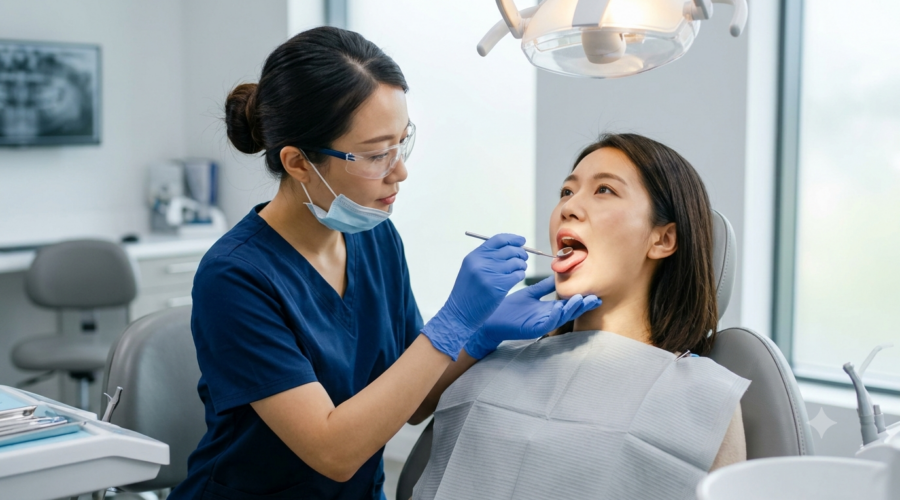
An Oral Cancer Screening is usually performed during your regular dental checkup. The process is quick, painless, and requires no special preparation. Your dentist examines the soft tissues in your mouth—including your lips, gums, tongue, inner cheeks, the roof of your mouth, and the floor under your tongue. They look for anything unusual such as red or white patches, sores that haven’t healed, or areas that appear thicker than normal.
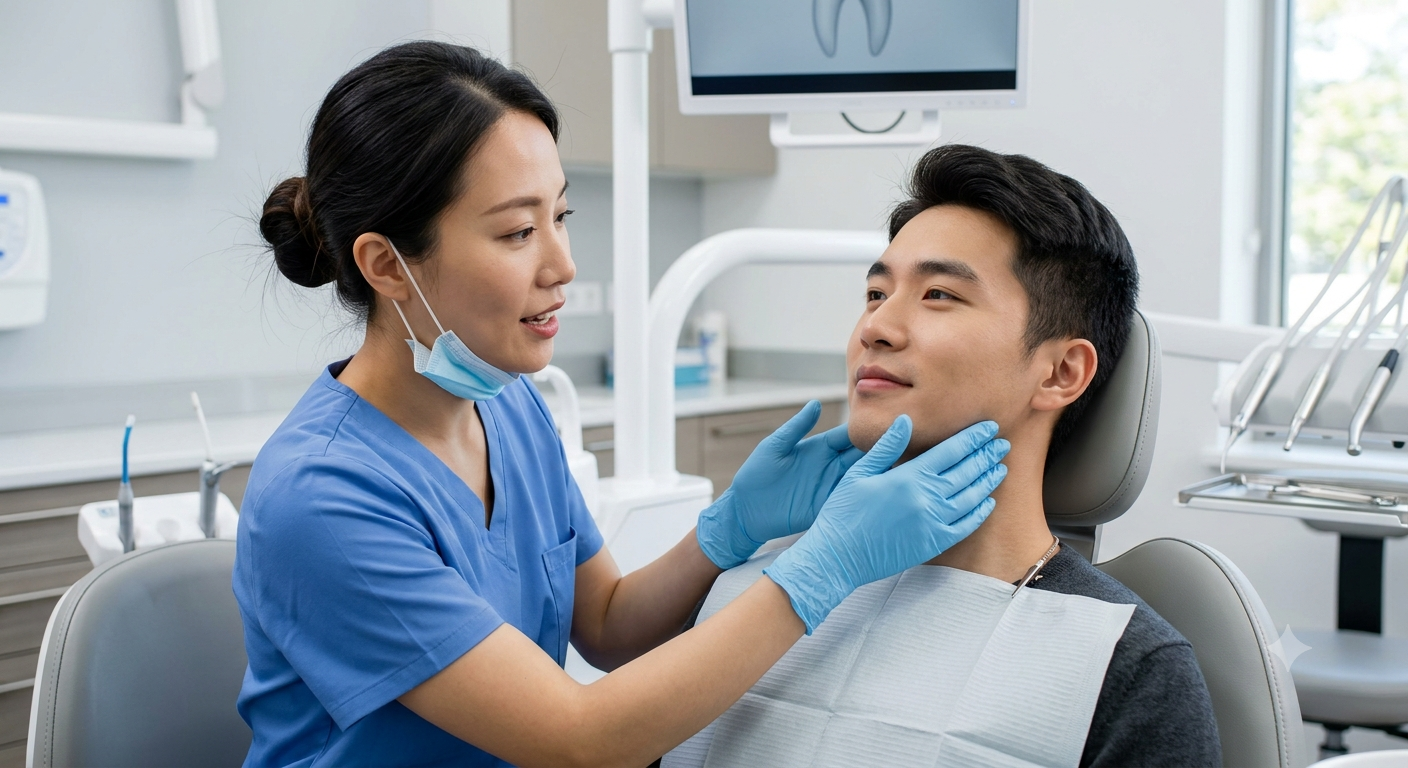
In addition to the visual exam, the dentist gently feels along your jawline, neck, and the inside of your mouth to check for lumps, swelling, or areas of tenderness. These small physical changes can sometimes indicate abnormal tissue that requires closer monitoring.
Advanced Tools That Support Screening
While a visual and physical exam is the foundation of Oral Cancer Screening, some dental offices also use special tools to detect areas of concern more precisely. These tools are not mandatory, but they may help highlight tissues that require further evaluation. They include:
- Screening Dyes: A blue dye that temporarily stains abnormal cells to make them easier to see.
- Fluorescent Lights: A special light that makes healthy tissue appear dark and abnormal tissue stand out as brighter or white.
Although these tools can assist with early detection, the only way to confirm whether tissue is cancerous is through a biopsy. Screening simply identifies areas that need additional testing.
Why Regular Oral Cancer Screening Is Essential
Oral cancer is often treatable when caught early, but unfortunately, many cases are diagnosed at advanced stages. This typically happens because symptoms like pain, sores, or discomfort appear much later. With early detection, treatment outcomes improve significantly, and minimally invasive treatments become possible.
People who may especially benefit from regular Oral Cancer Screening include those who:
- Use tobacco products
- Consume alcohol frequently
- Have a history of oral cancer
- Spend long hours in the sun (higher risk of lip cancer)
- Have HPV-related risk factors
Even if you don’t fall into any of these categories, routine screening supports overall oral health and provides peace of mind.
What Happens After the Screening?
If your dentist notices anything that appears unusual, they will recommend one of two follow-up steps:
- Monitoring the Area: You may return in a few weeks so the dentist can check whether the area has healed or changed.
- Further Testing: A biopsy or cell test may be suggested if the dentist suspects something more serious. This sample is sent to a lab for examination.
Most abnormal areas turn out to be harmless, but taking action early helps eliminate uncertainty and ensures you receive timely care.
Can You Check for Oral Cancer at Home?
A monthly self-exam doesn’t replace professional Oral Cancer Screening, but it can help you notice changes early. You can gently inspect your mouth using a mirror and good lighting—checking for sores, discoloration, lumps, or anything that feels unusual. If something persists for more than two weeks, it’s important to contact your dentist or doctor.
Prioritizing Your Oral Health
Oral Cancer Screening may be simple, but it is one of the most valuable tools available for early detection. When performed routinely—ideally twice a year—it helps ensure that any changes in your mouth are caught and treated promptly. If you’re unsure whether you need screening or how often it should be done, talk to your dentist or healthcare provider. Making screening a regular part of your care routine is a proactive step toward protecting your long-term health.