Understanding Oral Cancer Screening
Oral cancer screening is a proactive health check designed to detect early signs of cancer or precancerous changes in the mouth and throat. This screening is particularly important because oral cancers, affecting areas like the lips, tongue, gums, cheeks, and roof or floor of the mouth, often go unnoticed in their initial stages. Detecting oral cancer early dramatically increases the chances of successful treatment and can prevent serious complications.
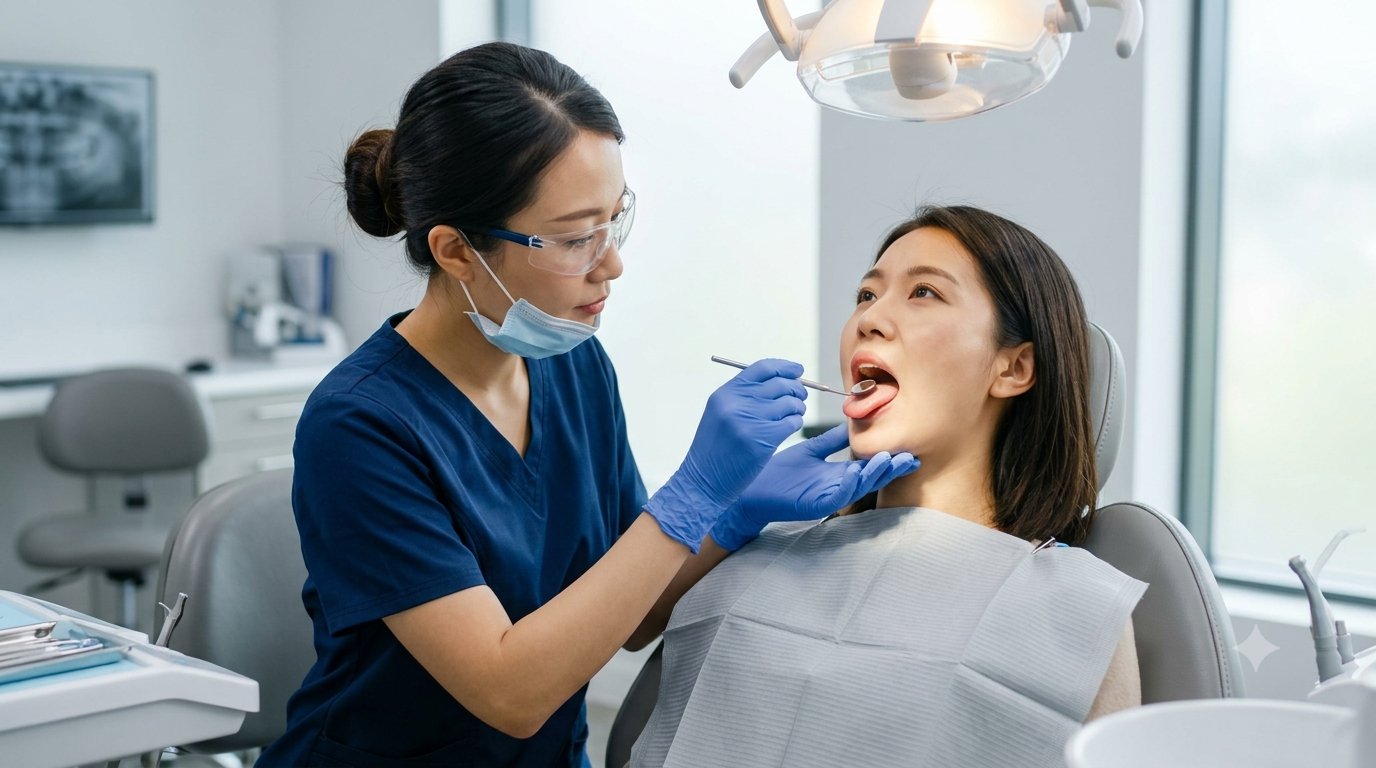
During an oral cancer screening, healthcare providers examine the entire oral cavity, including the inner cheeks, gums, tongue, lips, tonsils, and the roof and floor of the mouth. Dentists commonly perform these screenings as part of routine dental check-ups, though other medical professionals can also conduct them. The goal is not to diagnose cancer but to identify unusual tissue changes, lesions, or patches that may indicate a risk of developing oral cancer. If any abnormalities are discovered, patients are referred to specialists for further evaluation.
Why Oral Cancer Screening Is Important
Oral cancer remains a significant health concern worldwide, with thousands of new cases diagnosed annually. Unfortunately, many cases are detected only after the cancer has advanced, making treatment more challenging and survival rates lower. Routine oral cancer screenings allow for early identification of abnormal tissues, which can then be monitored or tested to confirm whether cancer is present. While screenings do not guarantee prevention, they are one of the best tools for catching cancer at a stage when intervention is most effective.
Certain factors increase the likelihood of developing oral cancers. These risk factors include tobacco use, heavy alcohol consumption, previous oral cancer history, and significant sun exposure, which can affect the lips. In addition, infections such as the Epstein-Barr virus (EBV) have been linked to nasopharyngeal cancers, a rare type of cancer affecting the upper throat behind the nose. People with these risk factors may benefit the most from regular oral cancer screenings.
Screening Methods and What to Expect
Oral cancer screenings typically involve a combination of visual inspection and palpation. During the visual exam, the healthcare provider looks for red or white patches, mouth sores, or other tissue abnormalities. Palpation involves gently feeling the mouth, jaw, and neck to identify lumps, bumps, or tenderness.
Advanced screening tools may also be used. These include oral cancer dyes, which highlight potentially abnormal tissues, and specialized lights that make unusual tissue changes easier to detect. In some cases, images of suspicious areas are taken for monitoring over time. If any lesion or abnormal tissue is found, further testing—such as a cytology test or a biopsy—is performed to confirm whether cancer cells are present.
Home Awareness and Follow-Up
While professional screenings are essential, individuals can also perform basic oral self-checks. Monthly inspections of the lips, tongue, gums, cheeks, and roof or floor of the mouth can help detect early changes. Feeling the jawline and neck for unusual lumps is also recommended. Noticing anything out of the ordinary should prompt a visit to a dentist or doctor for professional evaluation.
After a screening, results are typically shared immediately. If a follow-up test such as a biopsy is needed, results may take several days. It’s important to remember that screenings may not detect every cancer, and false positives or negatives are possible. Despite these limitations, early detection remains the most effective way to improve outcomes.
The Bottom Line
Oral cancer screening is a vital preventive measure for maintaining oral health and detecting potential cancers early. By combining regular dental check-ups, professional screenings, and self-awareness at home, individuals can take proactive steps to identify abnormalities before they become serious. Early detection, timely follow-up, and awareness of risk factors collectively provide the best chance of effectively managing oral cancer and improving long-term health outcomes.