
Understanding Bruxism and the Best Treatments to Protect Your Teeth
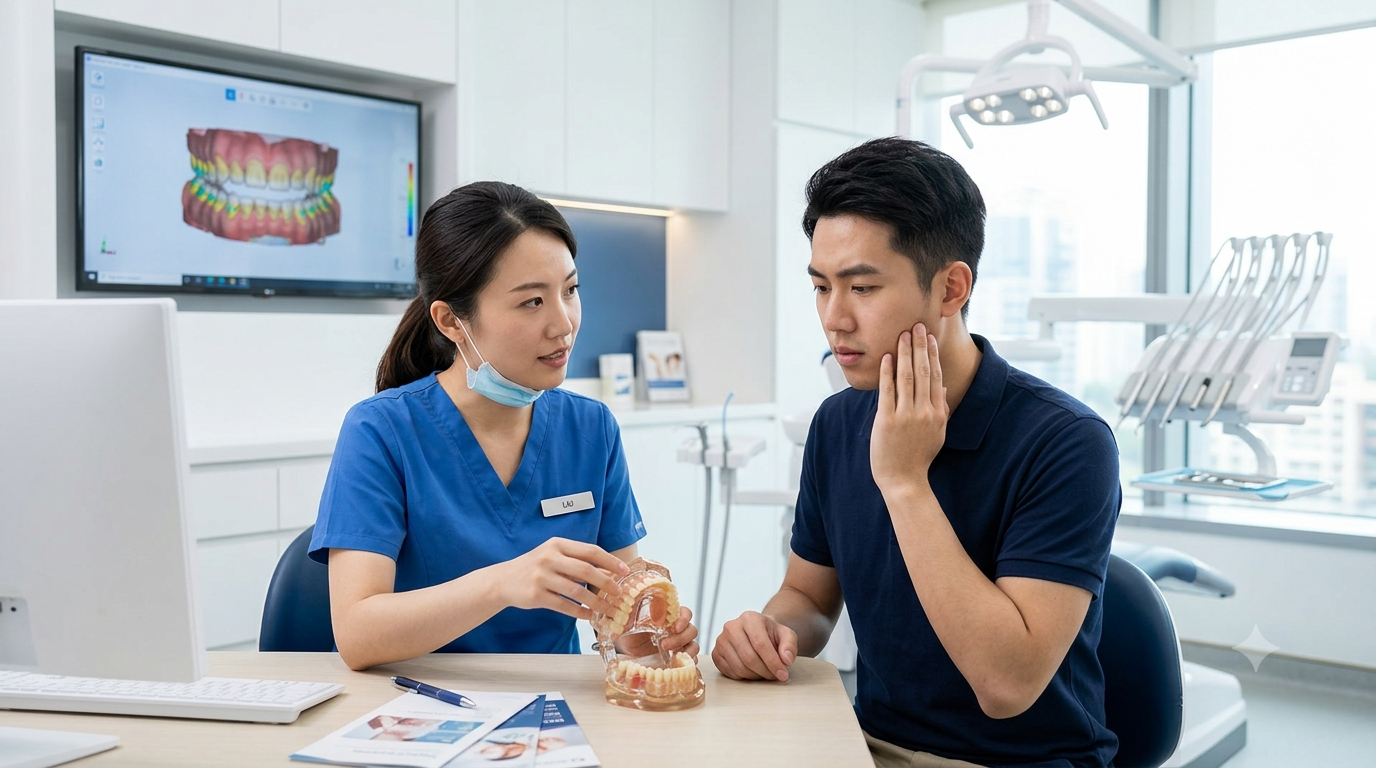
Grinding or clenching your teeth may seem harmless, but over time it can cause serious damage to your oral health. This condition, known as bruxism, affects both children and adults and often happens without awareness, either during stressful moments in the day or while you sleep. If left unmanaged, it can lead to worn-out teeth, jaw discomfort, headaches, and even long-term issues like TMJ disorders. The good news is that effective bruxism treatment options are available to help control symptoms and prevent damage.
What Bruxism Feels Like
Bruxism doesn’t look the same for everyone. Some people wake up with tension in their jaw, while others experience frequent morning headaches or ear discomfort. You might notice difficulty opening or closing your mouth comfortably or feel pain while chewing. These symptoms are your body’s way of signaling that constant grinding is taking a toll on your muscles and teeth.
For people who grind during the day, the habit often appears during times of stress, deep focus, irritation or anxiety. Sleep bruxism, however, is harder to notice because it happens unconsciously, often discovered only when symptoms appear or a sleep partner notices grinding sounds.
Why Bruxism Happens
Experts agree that bruxism doesn’t have one single cause. Instead, it’s influenced by a combination of physical, emotional and lifestyle factors. Stress and anxiety are among the most common contributors. People who frequently consume caffeine, alcohol or use nicotine are also more likely to grind their teeth. Certain medications, especially some antidepressants, have been linked to increased grinding. Sleep apnea and other sleep disturbances are also highly associated with nighttime bruxism.
How Bruxism Is Diagnosed
Dentists are usually the first to notice signs of grinding. During regular dental checkups, they may identify issues like worn-down enamel, chipped teeth, cheek biting or jaw tenderness. Sometimes a sleep study may be recommended if your symptoms point to sleep-related bruxism or if conditions like sleep apnea need to be ruled out.
Bruxism Treatment Options That Work
Bruxism treatment focuses on protecting the teeth, easing discomfort and addressing the root cause where possible. Depending on the severity, your dentist or healthcare provider may recommend:
- Custom Mouthguards
A mouthguard or night guard is one of the most effective ways to manage bruxism. It creates a protective barrier between the teeth and helps place your jaw in a more relaxed position. These guards are custom-made to ensure comfort and durability, making them ideal for people with severe nighttime grinding.
- Stress & Anxiety Management
Because emotional stress is one of the strongest triggers, relaxation techniques can greatly improve symptoms. Meditation, deep breathing exercises, regular physical activity and cognitive behavioral therapy can all help reduce grinding or clenching.
- Lifestyle Adjustments
Cutting down on caffeine or alcohol—especially later in the day—can make a noticeable difference. Smokers who quit also tend to see improvements in both grinding habits and sleep quality.
- Medication
For short-term relief, a provider may prescribe muscle relaxants to take before bedtime. Though this is not a long-term solution, it may help reduce clenching while addressing other underlying issues.
- Botox for Bruxism
In some severe cases, Botox injections may be recommended to relax the jaw muscles. This approach helps reduce grinding intensity and relieves pain, especially when other treatments haven’t worked.
What You Can Expect Long-Term
Most people improve with consistent treatment. Children often outgrow the habit as they get older, while adults may notice relief through regular use of mouthguards or lifestyle changes. Stress-related episodes may still come and go, so staying aware of your triggers and getting routine dental checkups is essential.
何時尋求協助
If you frequently wake up with facial pain, persistent headaches or notice changes in your teeth, it’s time to speak with a dental professional. Early intervention prevents long-term complications and ensures you get the right bruxism treatment plan tailored to your needs.