Understanding Oral Cancer Screening and Why It Matters
Oral cancer screening is a preventive examination carried out by a dentist or healthcare professional to look for signs that may indicate cancer or precancerous changes in the mouth. The primary purpose of this assessment is early detection. When oral cancer is found in its early stages, treatment is usually more successful, and the chances of recovery significantly increase.
Although an oral cancer check is often incorporated into routine dental visits, some dentists may use additional diagnostic tools to get a clearer look at unusual tissue changes. Even though there is debate among medical organizations about whether everyone should undergo routine oral cancer screening, it remains a valuable part of maintaining good oral health — especially for individuals who fall into higher-risk categories.
Why Early Detection Is Important
Spotting oral cancer at an early stage gives patients the best chance of successful treatment. While research has not conclusively shown that screening prevents oral cancer deaths, it is still a proactive step that helps identify changes before they progress. Many dental professionals recommend regular screening, and together with your dentist, you can decide whether it is necessary for you based on your individual risk factors.
Some of the factors that may increase the likelihood of developing oral cancer include:
- Tobacco use in any form, such as cigarettes, cigars, pipes, chewing tobacco, or snuff
- Heavy alcohol consumption, especially when combined with tobacco use
- A previous diagnosis of oral cancer
- Excessive sun exposure, which can heighten the risk of lip cancer
- Human papillomavirus (HPV) infection, which has become increasingly associated with cancers of the mouth and throat
In recent years, there has been a rise in oral and throat cancer cases, making awareness and preventive screening more crucial than ever. If you’re concerned about your personal risk, discussing lifestyle changes and appropriate screening methods with your dentist or doctor can make a significant difference.
Understanding the Limitations of Oral Cancer Screening
Like many medical tests, oral cancer screening has its limitations. It is not a definitive diagnostic tool, but rather a first step in identifying areas that may require closer examination.
Some limitations include:
- Potential for unnecessary follow-up tests: Many mouth sores are harmless. Because a visual exam cannot always determine whether a sore is cancerous, further tests — such as a biopsy — may be required.
- Possibility of missing small lesions: Some abnormal areas are difficult to see with the naked eye, especially in early stages, which means a very small cancerous spot could go undetected.
- Lack of evidence that screening reduces mortality: While screening may not conclusively reduce death rates from oral cancer, it still plays a critical role in catching abnormalities early.
What Happens During the Screening
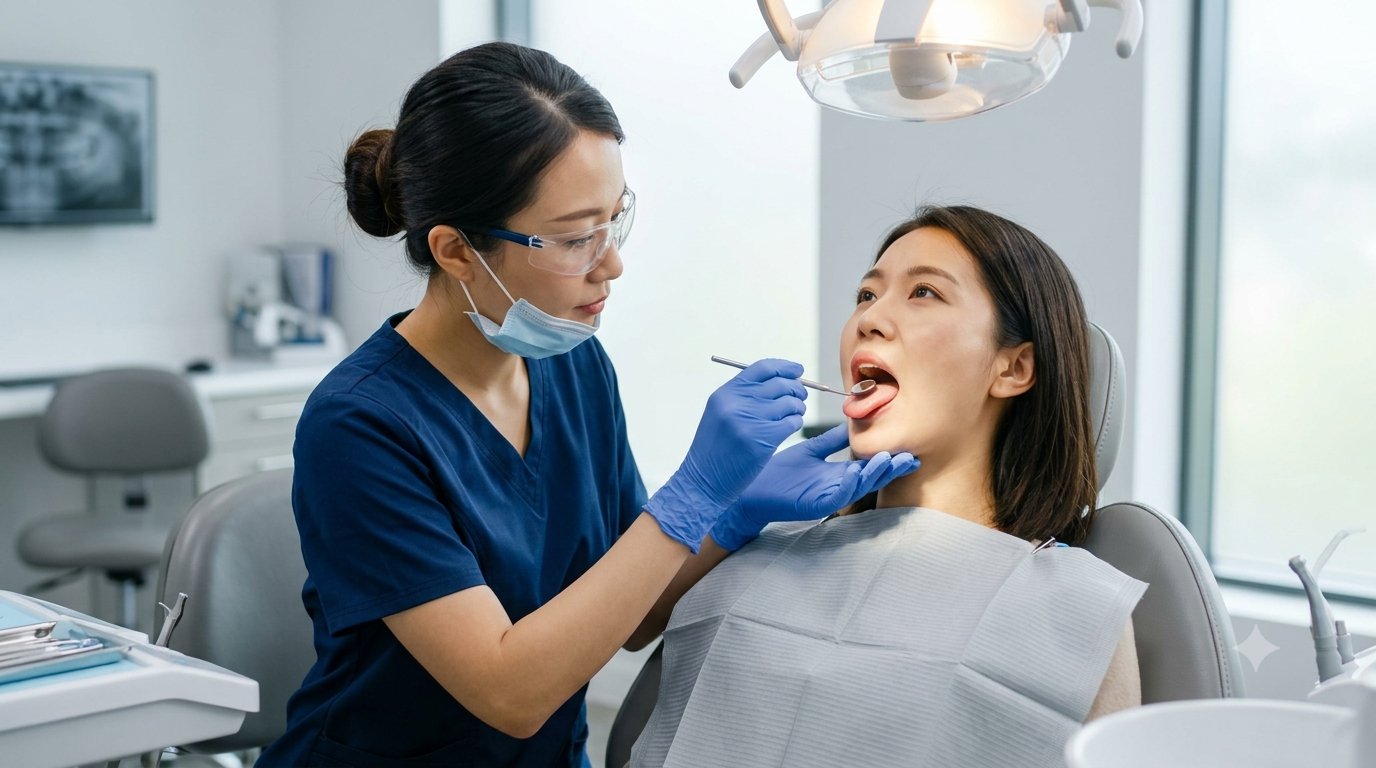
One of the benefits of an oral cancer screening is that it requires no preparation. During your dental appointment, your dentist will carefully examine the inside of your mouth, looking for red or white patches, sores, or tissue changes. They may also gently feel the tissues in your mouth, neck, and throat to check for lumps or firmness that could indicate an underlying issue.
Additional Diagnostic Tools
Some dental offices supplement visual and physical exams with special screening tools, though their added benefit remains uncertain. These tools may include:
- 一個 rinse containing a blue dye that highlights abnormal cells
- 一個 light device that makes healthy tissues appear darker, while suspicious tissues look lighter
These aids can help your dentist decide whether further testing is needed.
What Happens After the Exam
If anything unusual is found, your dentist may recommend returning in a few weeks to monitor the area, or they may advise a biopsy so samples can be examined under a microscope. Depending on the findings, you may be referred to a specialist for further evaluation and treatment.