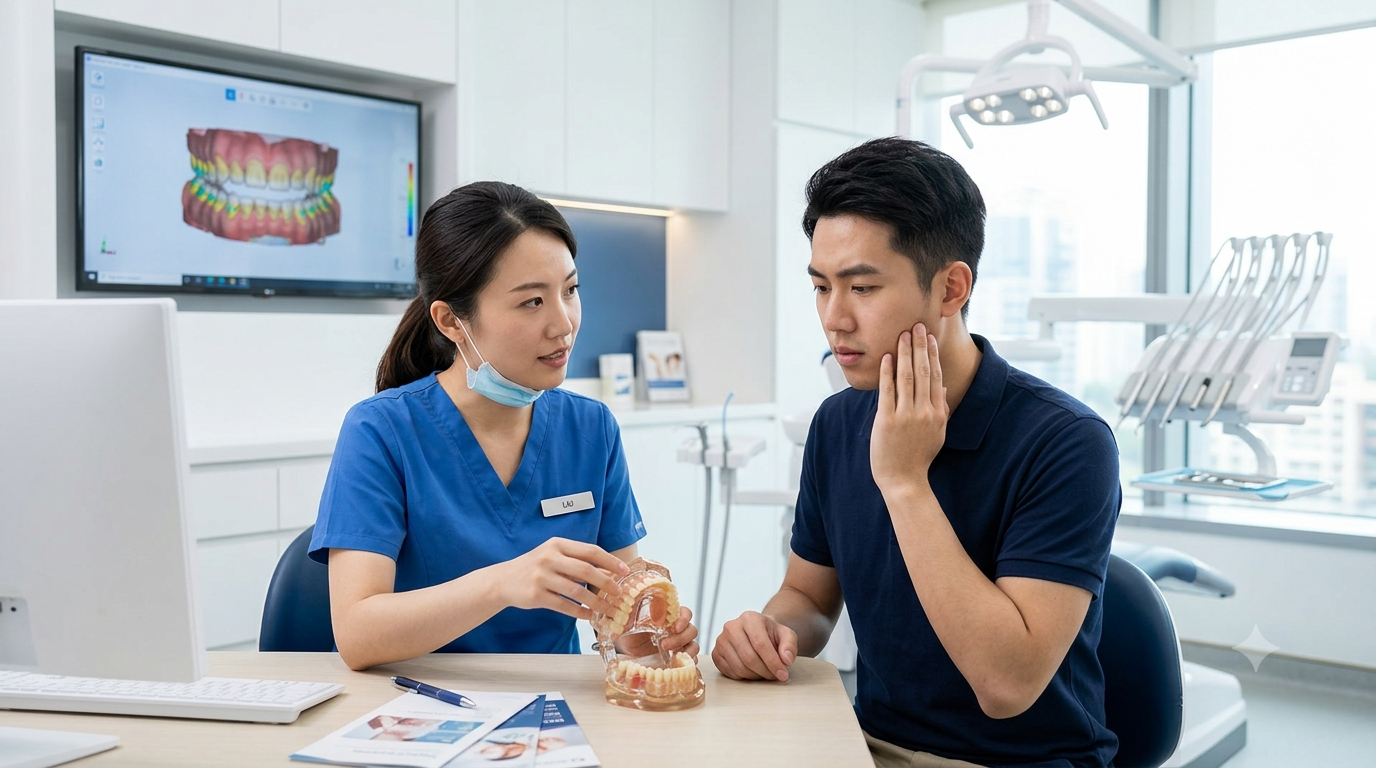
Understanding Bruxism and Effective Bruxism Treatment Options
Bruxism is a condition where a person unconsciously clenches, grinds, or gnashes their teeth. While many people assume it happens only at night, this habit can occur during sleep or while awake. Night-time grinding is more common and often goes unnoticed until symptoms such as jaw soreness, headaches, or tooth sensitivity begin to appear.
Clinically, bruxism presents in different ways. Some people experience rhythmic side-to-side movements of the jaw, while others have intense, prolonged muscle contractions that place excessive pressure on the teeth and jaw joints. Because this often happens during light sleep stages, individuals may not realize they are grinding at all—yet they wake up with discomfort or signs of wear on their teeth.
Research shows that bruxism can affect a significant portion of the population, but identifying it isn’t always simple. Not all individuals produce grinding noises, and not everyone shows visible signs of tooth wear, which makes self-diagnosis difficult. Often, dentists identify the condition during routine check-ups, especially when they notice unusual attrition patterns or muscle tenderness.
What Causes Bruxism?
The exact cause of bruxism isn’t fully understood, but several factors are believed to contribute. Stress and anxiety are among the most common triggers, especially for people who clench their teeth during the day. In many cases, bruxism stems from the brain’s inability to properly regulate jaw muscle activity during sleep, causing involuntary grinding episodes.
Sleep disorders such as obstructive sleep apnea have also been linked to bruxism. Conditions involving neuromotor dysfunction—like cerebral palsy or certain seizure disorders—can increase the likelihood of grinding as well. Even habitual clenching, which may happen during periods of concentration or emotional tension, can mimic the effects of classic bruxism and lead to similar symptoms.
Exploring Bruxism Treatment Options
Because bruxism has multiple potential causes, no single approach works for every patient. Treatment often involves a combination of strategies aimed at reducing grinding episodes, protecting the teeth, and easing muscle strain.
1. Behavioral Approaches
For many people, bruxism treatment begins with addressing lifestyle and emotional triggers. Stress management techniques, better sleep hygiene, jaw relaxation exercises, and awareness training can help reduce involuntary clenching. While research shows mixed results for methods like biofeedback, some individuals find these behavioral tools helpful, especially when stress is a contributing factor.
2. Custom Oral Appliances
One of the most recommended solutions for sleep bruxism is a custom-made night guard. These devices create a protective barrier between the upper and lower teeth, preventing wear, fractures, and sensitivity. Although night guards don’t stop the grinding itself, they significantly reduce the long-term damage associated with bruxism. A properly fitted, full-arch appliance also helps distribute pressure evenly and reduces strain on the jaw muscles and joints.
3. Medication-Based Treatment
In severe cases, medication may be considered to help minimize muscle activity at night. Drugs such as clonazepam or certain anticonvulsants have been studied for their ability to reduce nighttime grinding. Their effectiveness varies, and they are typically used short-term or only when bruxism is causing significant pain or complications. It’s important to consult a healthcare provider before considering medication as part of a bruxism treatment plan.
4. Botox for Muscle Relaxation
Botulinum toxin (Botox) injections are increasingly used as a treatment for severe bruxism. When injected into the masseter or temporalis muscles, Botox weakens the muscle just enough to reduce the force of grinding without affecting normal function. Results can last 3–6 months. While research is ongoing, many patients experience relief from headaches, facial tension, and jaw pain after this procedure.
5. Counter-Stimulation Devices
Some devices are designed to interrupt grinding by applying gentle electrical stimulation when clenching is detected. These tools can reduce the intensity or frequency of bruxism episodes. However, more research is needed to confirm their long-term effectiveness, especially when treating muscle pain or improving jaw function.
Conclusion
Bruxism treatment varies from person to person, but early intervention is key to preventing long-term tooth damage, jaw discomfort, and related complications. Whether through stress reduction, night guards, therapeutic injections, or advanced technologies, there are multiple ways to manage bruxism effectively. If you suspect you grind your teeth, consult a dental professional for a personalized evaluation and treatment plan that protects your oral health for the long term.