Enamel Microabrasion: What it is And How It Works
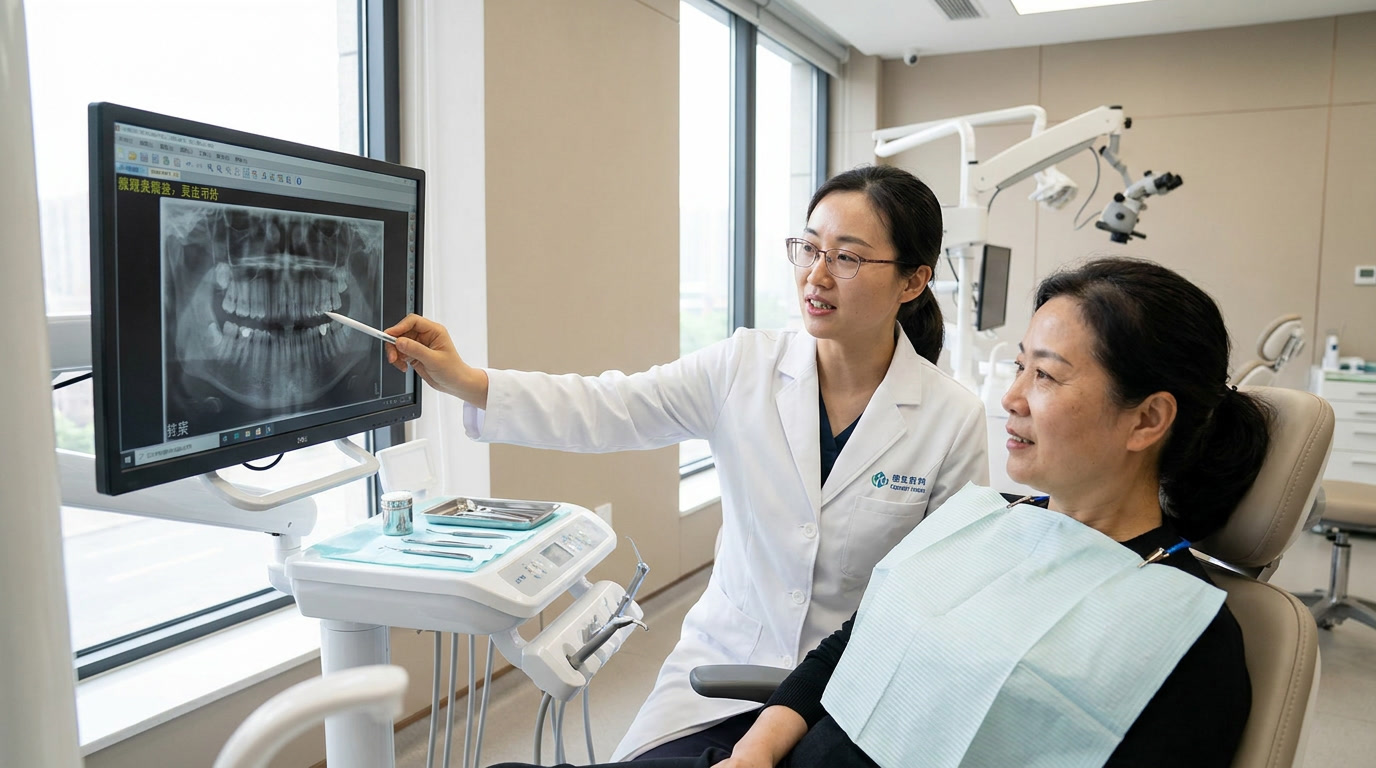
When it comes to cosmetic dentistry, the term enamel microabrasion might sound intimidating. For those unfamiliar with dental restoration procedures, it can even feel a little scary. But in reality, enamel microabrasion is a safe and effective solution for improving the appearance of your teeth and achieving a brighter smile. Today, we’ll explore what enamel microabrasion is, how it works, and why it might be the right choice for you.
What is Enamel Microabrasion?
Enamel microabrasion is a cosmetic dental procedure designed to remove surface-level discoloration and minor defects on your teeth. Unlike chemical whitening treatments, microabrasion relies on a controlled mechanical process to gently remove a thin layer of enamel, revealing a cleaner, whiter surface.
This technique is particularly useful for addressing yellowing caused by lifestyle factors such as coffee, tea, or smoking, as well as minor discolorations resulting from natural enamel defects. For those seeking a subtle yet noticeable improvement, enamel microabrasion offers an efficient and minimally invasive option.
How Enamel Microabrasion Works
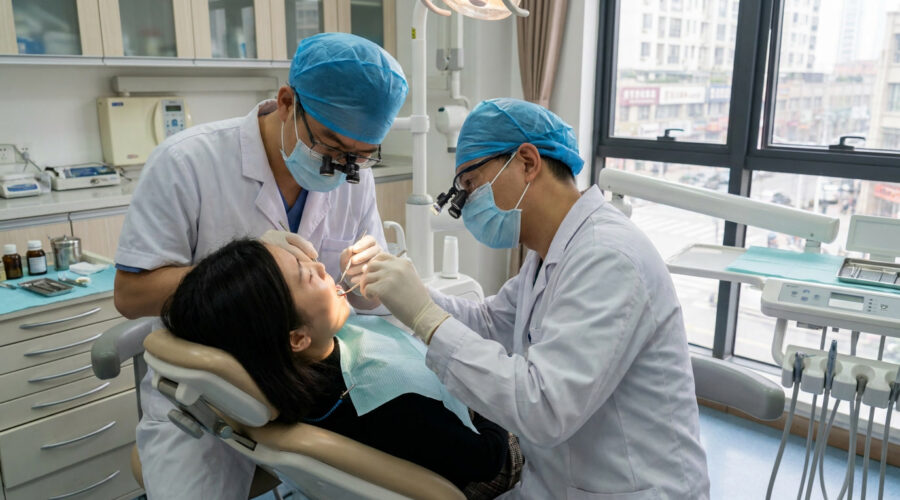
The enamel microabrasion process is straightforward and non-invasive, usually completed in a single dental appointment. Here’s a typical breakdown of the procedure:
- Isolation of Teeth – To protect the gums and surrounding soft tissues, the teeth are isolated using a rubber dam or protective barrier.
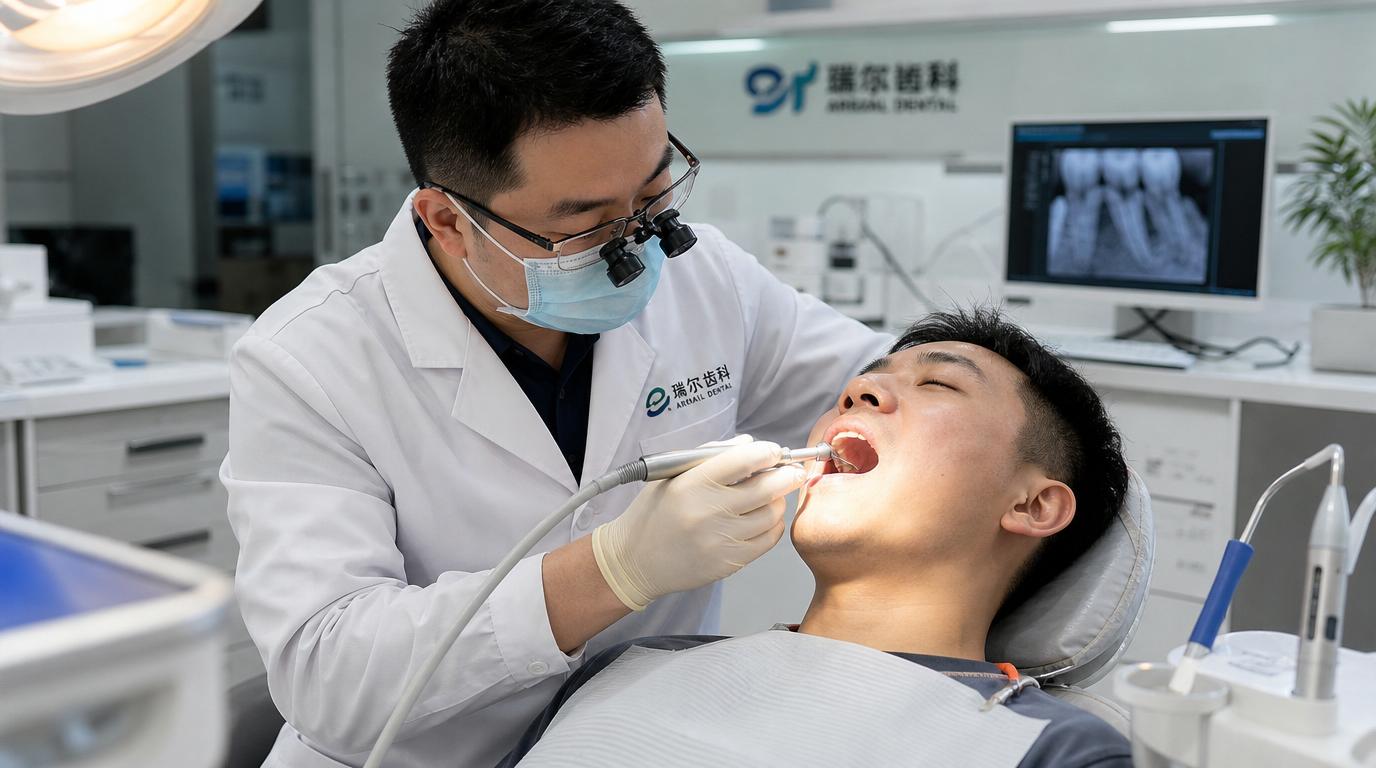
- Removal of Discolored Enamel – Using a specialized microabrasion tool, the dentist carefully removes the outer layer of enamel where surface stains and minor defects are located.
- Polishing – After removing discoloration, an acid-abrasion slurry is applied to polish and smooth the tooth surface. This helps eliminate imperfections and creates a brighter, more uniform appearance.
- Final Cleaning – The teeth are thoroughly rinsed, leaving a refreshed, radiant smile.
The result is a noticeable improvement in tooth color, and patients can maintain these results with good oral hygiene and mindful dietary choices.
Is Enamel Microabrasion Safe?
Yes. Enamel microabrasion is considered one of the least invasive cosmetic dental procedures. Unlike traditional whitening treatments that rely on strong chemicals, microabrasion preserves most of the enamel while targeting surface stains. Although a very thin layer of enamel is removed, studies show that the procedure does not compromise tooth health when performed correctly.
Limitations to Consider
While enamel microabrasion is highly effective for minor surface discoloration, it is not a universal solution.
Teeth with deep staining or discoloration that penetrates beneath the enamel may require more intensive treatments, such as professional bleaching or veneers. Therefore, patients with significant enamel defects may not achieve complete whitening with microabrasion alone.
Why Consider Enamel Microabrasion
For patients with mild enamel discoloration, enamel microabrasion offers several benefits:
- Minimally invasive and safe for enamel
- Provides immediate improvements in tooth appearance
- Reduces the need for harsh chemical whitening
- Creates a smoother tooth surface that resists plaque buildup
- Quick procedure, often completed in a single appointment
Schedule Your Enamel Microabrasion Consultation
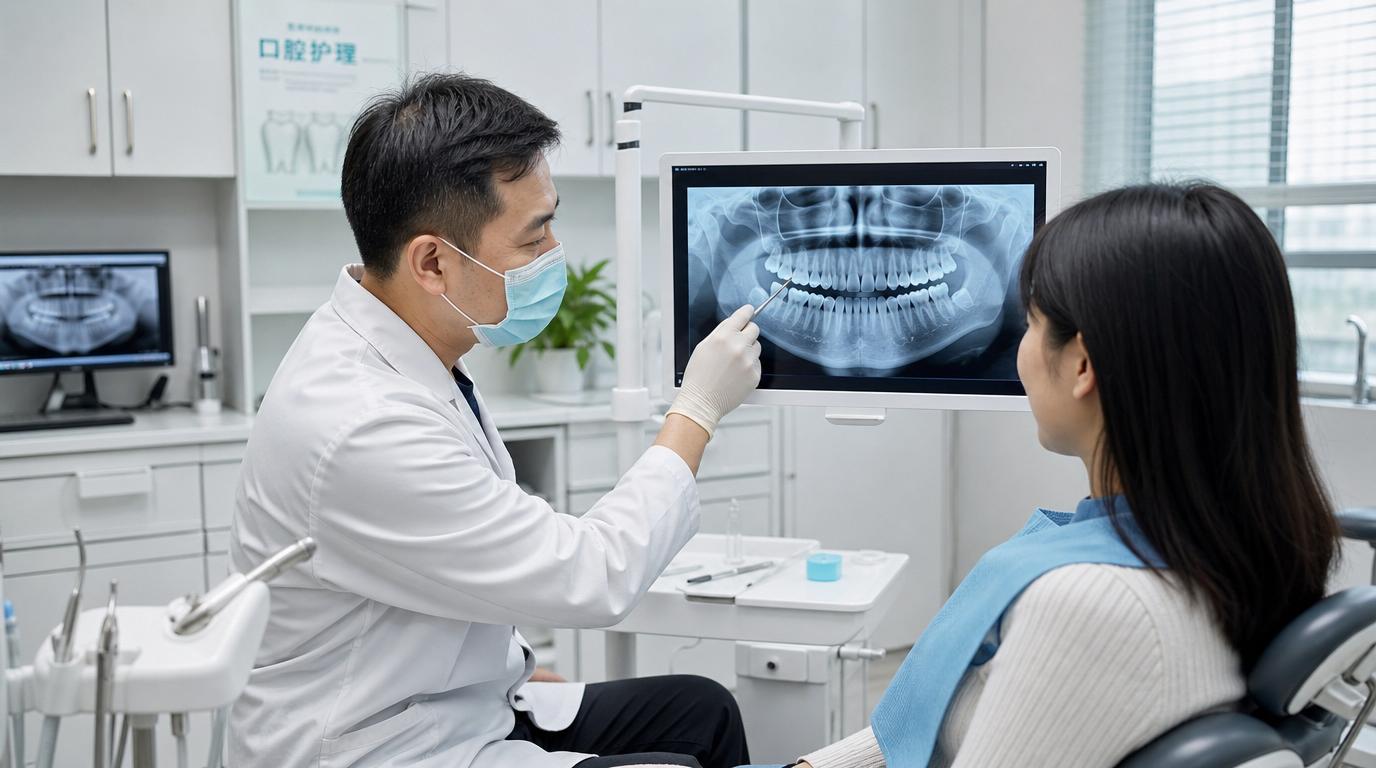
If you’re interested in enhancing your smile through enamel microabrasion, consulting with a dental professional is the first step. They can assess whether the procedure is suitable for your teeth and recommend the best approach to achieve your whitening goals.