Inlays and Onlays: A Conservative Way to Restore Damaged Teeth
When a tooth is damaged, the first treatment option many people think of is a filling or a dental crown. But not every case requires either of those extremes. Sometimes, the damage is too significant for a standard filling but not severe enough to justify removing more tooth structure for a full crown. That’s where inlays and onlays come in, two highly effective and minimally invasive restorative options that help preserve your natural smile.
What Are Inlays and Onlays?
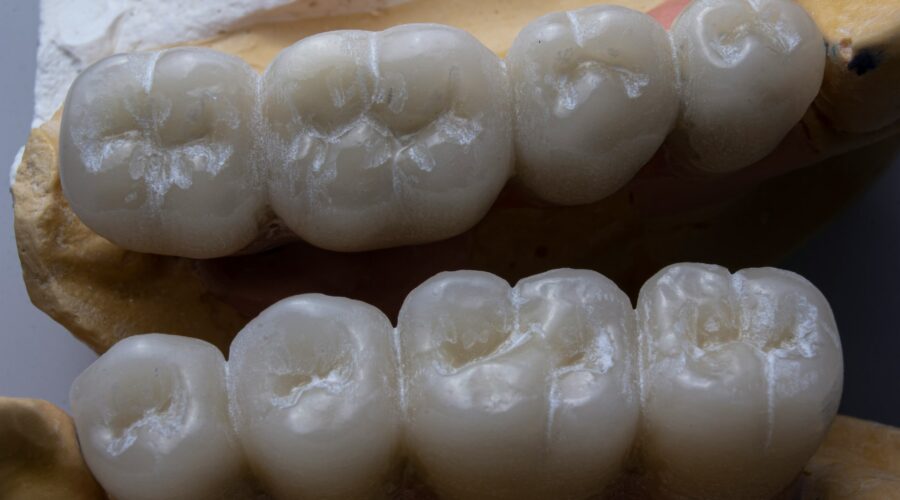
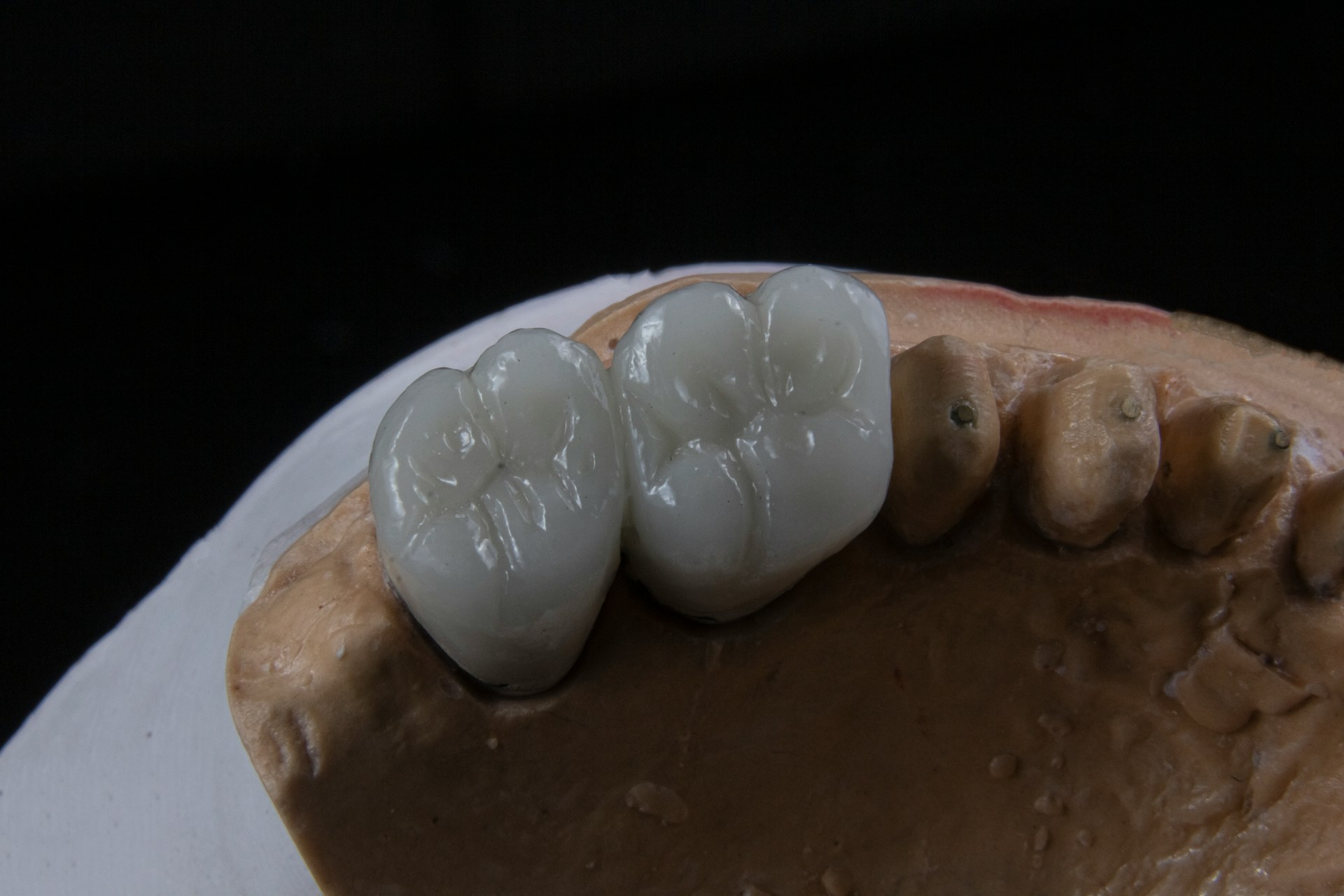
Inlays and Onlays are types of indirect restorations, meaning they are created outside the mouth, usually in a dental laboratory, before being bonded onto the tooth. This is different from direct fillings, which are placed and shaped inside the tooth during a single visit.
- An inlay fits neatly within the grooves (cusps) of a molar or premolar.
- An onlay extends over one or more cusps, making it suitable for larger areas of damage while still avoiding the need for a full crown.
While they differ slightly in coverage, both offer the same important benefits: strength, durability, and preservation of healthy tooth structure.
Why a Dentist May Recommend Inlays or Onlays
The philosophy behind modern dentistry is to protect as much natural tooth as possible. Inlays and onlays are ideal when a tooth can be restored without removing additional healthy enamel, making them a more conservative alternative to crowns.
If decay, fractures, or old failing fillings have weakened your tooth, but enough structure remains intact, your dentist may recommend one of these restorations instead of a more aggressive treatment.
How the Inlay and Onlay Process Works
The procedure is typically completed in two appointments and follows a straightforward sequence:
1. Preparing the tooth
Your dentist begins by numbing the area to ensure a comfortable experience. Any decay or damaged material is carefully removed. This step also prevents further infection from developing deeper within the tooth.
2. Creating your custom restoration
After cleaning and shaping the enamel, your dentist will take either a digital scan or a physical impression of the tooth. This precise mold is sent to a dental laboratory, where technicians design your inlay or onlay with exact measurements for a perfect fit. These restorations can be crafted from tooth-colored ceramic, resin, or even gold depending on your needs and aesthetic preferences.
3. Placing a temporary restoration
Until the final inlay or onlay is ready, a temporary material is placed to protect the tooth, maintain function, and prevent sensitivity.
4. Bonding the final piece
During your second visit, the dentist removes the temporary filling, cleans the tooth, and tests the fit of the new inlay or onlay. Once everything aligns perfectly, the restoration is bonded in place using a strong resin that hardens under a curing light or permanent cement.
The Benefits of Choosing Inlays and Onlays
Dental inlays and onlays offer a range of advantages, such as:
- Increased strength: They reinforce the tooth structure more effectively than traditional fillings.
- Long-term durability: With proper care, they can last many years.
- Conservative treatment: Less healthy tooth structure is removed compared to crowns.
- A natural appearance: Ceramic and resin materials blend seamlessly with your teeth.
- Custom fit: Because they’re fabricated outside the mouth, they offer exceptional precision.
Caring for Your Inlay or Onlay
Maintaining your restoration is simple. Daily brushing and flossing, combined with regular dental checkups, are all you need to keep it in great condition. There’s no special product or technique required, just consistent oral hygiene habits.
A Reliable Solution for a Stronger Smile
Inlays and onlays are an excellent choice for restoring moderately damaged teeth while preserving your natural enamel. They strike the perfect balance between strength, longevity, and conservative treatment. If you’re experiencing tooth damage or want to explore whether this restorative option is right for you, schedule a consultation with your dentist to discuss your best path to a healthy, confident smile.