Enamel Microabrasion
A radiant smile can do wonders for your confidence, and modern dentistry offers several treatments to help achieve it. One effective option for addressing superficial tooth discoloration is enamel microabrasion. In this blog, we’ll explore what enamel microabrasion is, how it works, and whether it’s the right solution for your teeth.
What Is Enamel Microabrasion?
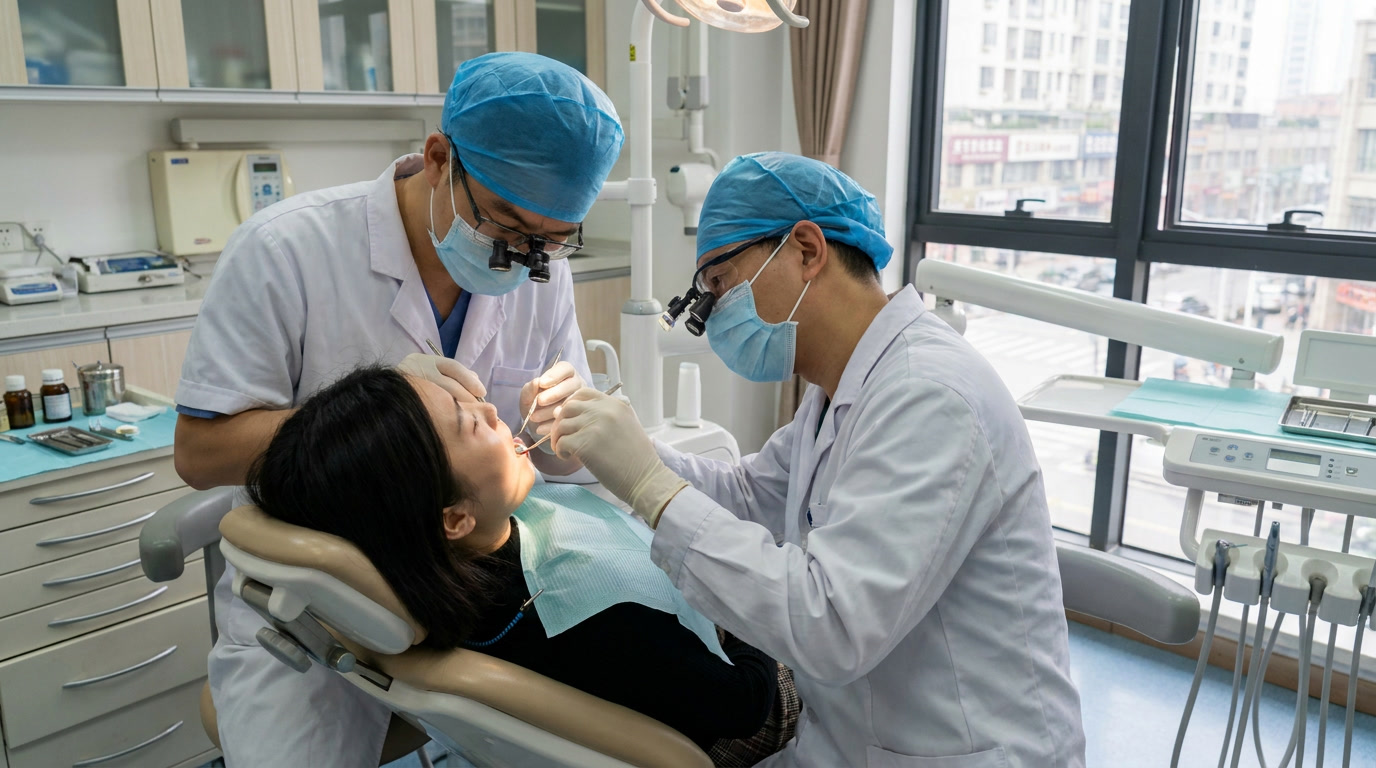
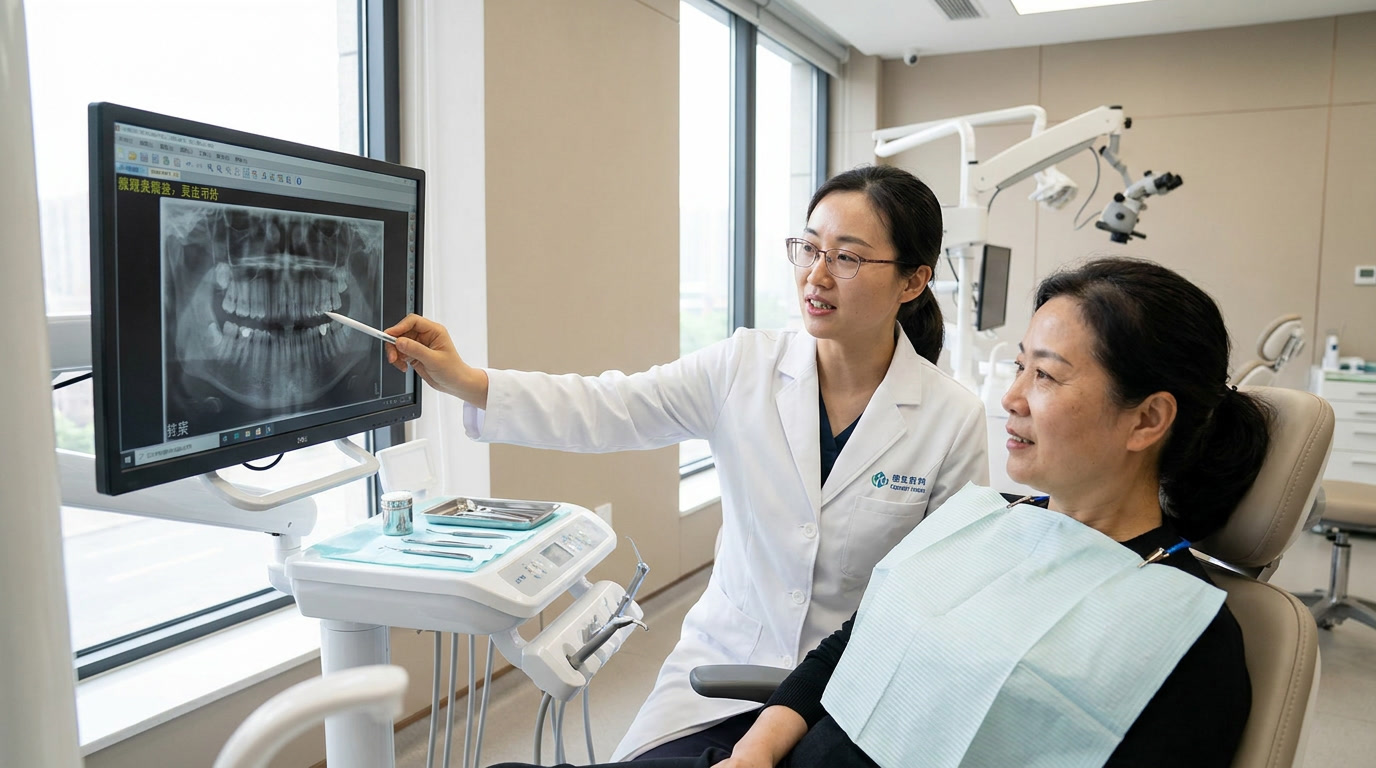
Enamel microabrasion is a cosmetic dental procedure that removes a very thin layer of enamel from the tooth’s surface. It is primarily used to improve the appearance of discolored enamel caused by developmental defects, dental fluorosis, or surface staining. Conditions such as fluorosis can create opaque white, yellow, or brown spots on the enamel, while other discolorations can result from plaque buildup, diet, tobacco use, or genetic factors.
Unlike more aggressive whitening treatments, enamel microabrasion is designed to be minimally invasive, targeting only superficial enamel layers while preserving the underlying tooth structure.
How Enamel Microabrasion Can Whiten Your Teeth
The procedure works by gently removing stained or defective enamel to reveal the naturally whiter layers beneath. This can improve the look of yellow, brown, or mottled spots and smooth out minor surface imperfections, giving your teeth a cleaner and brighter appearance. However, it’s important to note that enamel microabrasion may not address deeper intrinsic staining or defects that extend beyond the enamel layer.
Benefits of Enamel Microabrasion
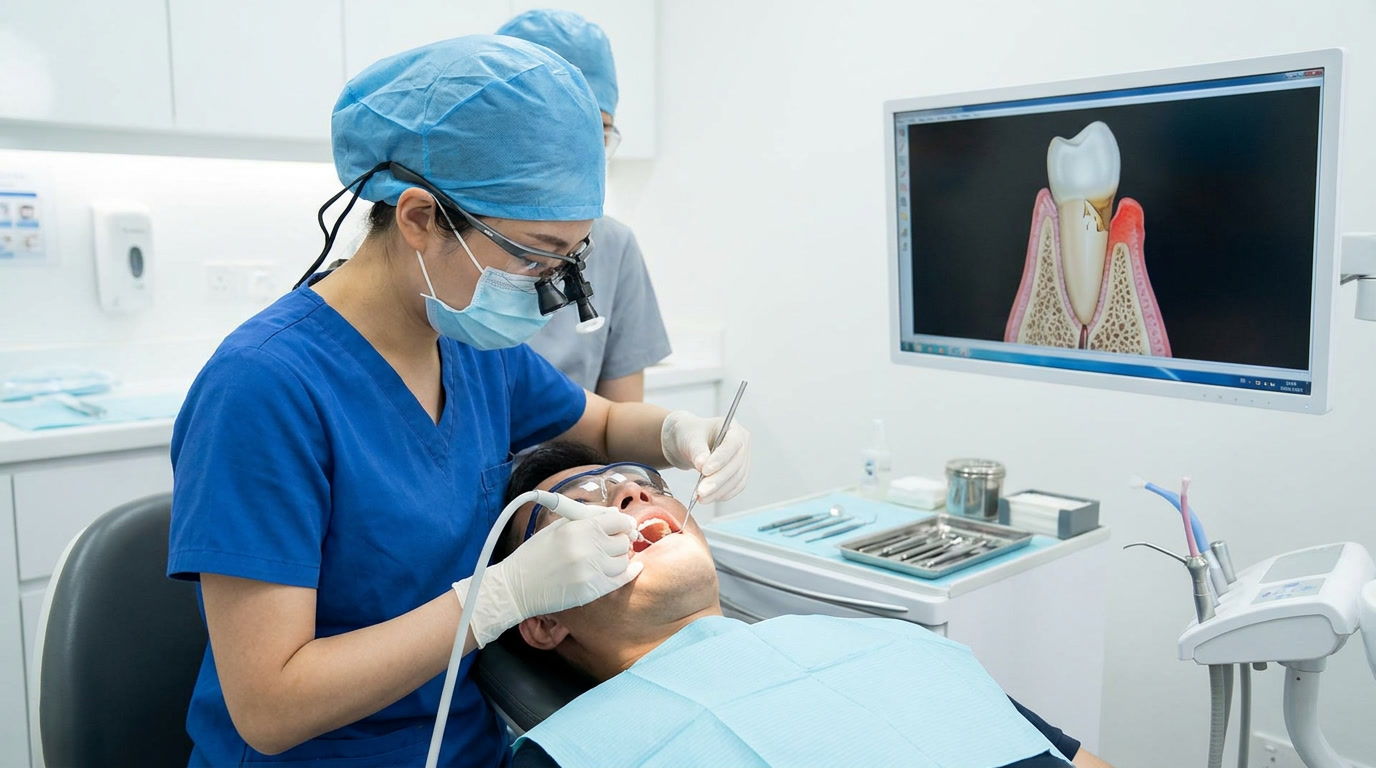
There are several advantages to choosing enamel microabrasion as a cosmetic treatment:
- Effective and Non-Invasive: It removes superficial stains and enamel imperfections without the need for extensive dental work.
- Gentler Than Bleaching: The chemicals used are milder than those in professional whitening treatments, reducing the risk of sensitivity and gum irritation.
- Long-Lasting Results: The improved appearance of your teeth can last for years when combined with proper oral care.
- Smoother Surface: Polishing the enamel reduces plaque accumulation, helping maintain oral health.
- Quick and Painless: The procedure typically takes less than an hour and requires no recovery time.
- Cost-Effective: Compared to some professional whitening treatments, enamel microabrasion can be a more affordable option.
Limitations of Enamel Microabrasion
While enamel microabrasion is effective for many, it’s not suitable for all cases:
- It cannot remove deep defects or intrinsic stains.
- Heavily stained teeth may not achieve complete whitening through this method alone.
- Patients with significant enamel loss may not be ideal candidates.
What to Expect During the Procedure
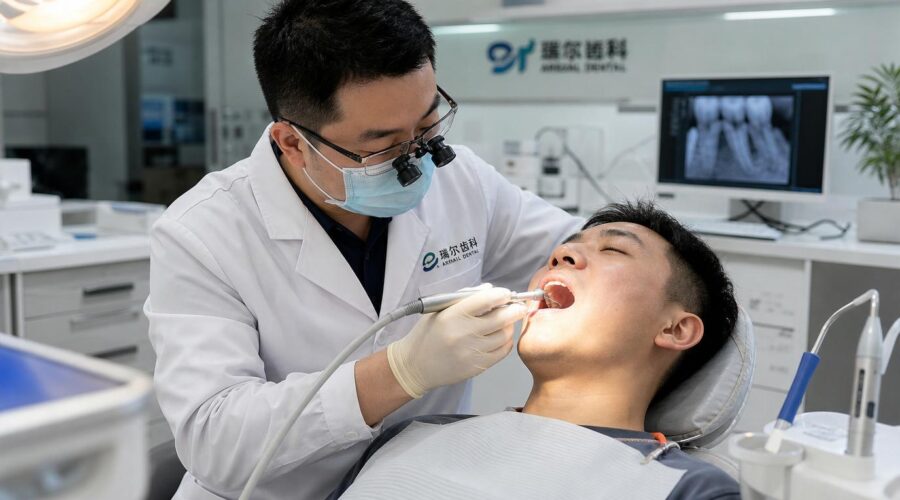
The enamel microabrasion process is straightforward:
- Teeth are isolated with a rubber dam to protect gums and soft tissues.
- A paste containing a mild acid and abrasive particles is applied to the teeth.
- A mechanical device gently scrubs the paste over the enamel surface.
- The paste is rinsed and suctioned off.
- The teeth appear brighter, smoother, and polished. Some dentists may provide a take-home whitening kit to enhance results.
Most patients may experience slight sensitivity for up to 24 hours, but this typically resolves quickly.
How Long Does It Take?
Enamel microabrasion is usually completed in a single appointment lasting less than an hour, making it a convenient solution for a quick smile refresh.
Is Enamel Microabrasion Right for You?
If you have surface discoloration or mineralized spots on your teeth, enamel microabrasion is a safe and minimally invasive option to enhance your smile. Consult a dental professional to determine if it’s the best approach for your specific needs and to ensure the procedure is performed safely.
With proper care, enamel microabrasion can help reveal a brighter, smoother, and more aesthetically pleasing smile, boosting both your confidence and oral health.