
Understanding TMJ/TMD Treatment: What You Need to Know
If you’ve been struggling with jaw discomfort, clicking sounds, headaches, or difficulty chewing, you may be dealing with a temporomandibular joint disorder — commonly known as TMJ or TMD. These conditions affect the small but vital joints that connect your jaw to your skull. When these joints aren’t functioning properly, everyday activities like talking, eating, and even yawning can become painful.
TMD is surprisingly common, especially among adults in their 20s to 40s. While the symptoms can be frustrating, the good news is that TMJ/TMD treatment options are widely accessible and often very effective when started early.
What Happens When You Have TMD?
Your jaw joints, located just in front of your ears, work with muscles and ligaments to allow smooth movement. When any part of this system becomes strained, inflamed, or misaligned, you may begin to notice discomfort. Some people experience sudden symptoms after a jaw injury, while others develop TMD gradually due to habits like grinding their teeth or constant clenching.
Common signs include:
- Jaw stiffness or difficulty opening your mouth
- A popping or grinding sensation when moving your jaw
- Pain around the jawline or sides of the face
- Frequent headaches or migraines
- Discomfort in the ears, neck, or shoulders
- Locking of the jaw during movement
These symptoms can vary from mild to severe and may come and go. Persistent discomfort is usually a sign that it’s time to consider TMJ/TMD treatment options.
Why TMJ Disorders Develop
TMD can stem from several causes. For some people, it begins after a traumatic injury. Others develop it due to long-term grinding or clenching — a habit often triggered by stress. Conditions such as arthritis and bite misalignment can also play a role. Even lifestyle habits, like chewing on ice or taking oversized bites, may worsen the strain on your jaw joints.
Factors that can increase the risk of developing TMD include:
- Constant poor posture
- Nervous habits like nail-biting or chewing pens
- Sleeping on your stomach
- Daytime jaw clenching
- Using your teeth to open or hold objects
These small actions add up over time, putting pressure on the jaw joints and muscles.
How TMJ Disorders Are Diagnosed

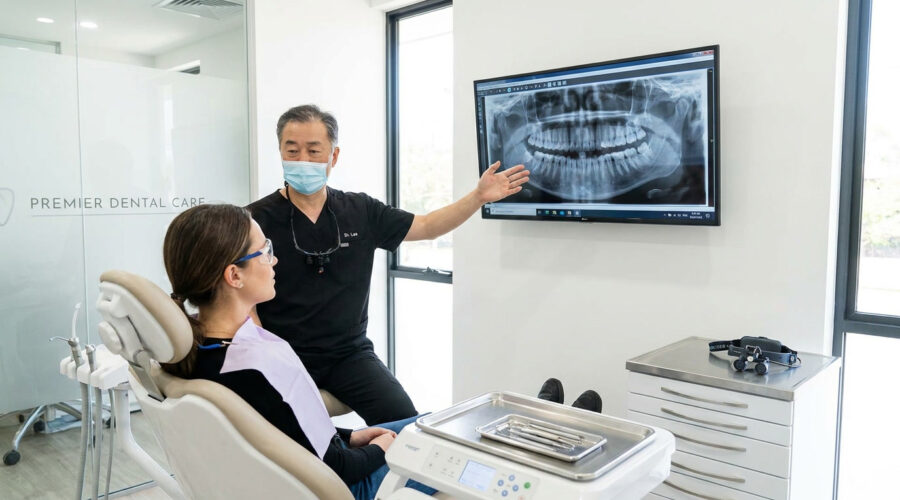
If you suspect you have TMD, a healthcare provider can confirm it through a combination of physical examination and imaging. During your visit, they’ll check how your jaw moves, evaluate whether your muscles are tender, and listen for any popping sounds as you open or close your mouth. In some cases, imaging tests such as X-rays, CT scans, or MRIs may be recommended to get a clearer picture of what’s happening inside the joint.
Identifying the issue early makes TMJ/TMD treatment more effective and helps prevent long-term complications.
Exploring TMJ/TMD Treatment Options
TMD treatment is highly personalized. What works for one person might not be the best approach for another, so providers often start with the least invasive methods before considering advanced interventions.
- Medication-Based Care
Medications can help relieve pain, inflammation, and muscle tension. Common options may include over-the-counter pain relievers, anti-inflammatory drugs, muscle relaxants, or medications that help manage chronic pain. - Noninvasive Therapies
Many patients find relief through conservative therapies such as:
- Custom night guards or oral splints
- Guided jaw exercises from a physical therapist
- Ultrasound therapy to relax tight muscles
- TENS therapy (mild electrical stimulation)
- Trigger point injections to ease localized tension
- Lifestyle changes, like avoiding chewy foods and improving posture
These approaches focus on reducing strain, relaxing the jaw muscles, and improving movement.
- Surgical Procedures
Surgery is usually a last resort, reserved for cases where other treatments haven’t helped. Options range from minimally invasive joint flushing to more involved procedures that repair or replace parts of the joint. Though not common, surgery can be extremely effective for severe structural issues.
Living With and Treating TMD
For many people, TMD symptoms ease with consistent care and targeted treatment. Some experience improvement within weeks, while others may need longer-term management. With proper evaluation and a tailored plan, TMJ/TMD treatment can restore comfort and help you return to normal daily activities.
Jaw pain shouldn’t disrupt your routine. If you’ve been noticing ongoing symptoms, seeking professional care can help you find answers, and relief.