Understanding TMJ/TMD Treatment: Jaw Pain and Care
Jaw pain, stiffness, or unusual clicking when you open your mouth can be more than just a temporary discomfort. These symptoms often point to conditions affecting the temporomandibular joint (TMJ), the hinge that connects your jaw to the skull. When this joint or the surrounding muscles aren’t functioning properly, the result is a group of conditions known as temporomandibular disorders (TMDs).
TMDs can affect one or both sides of the jaw and may impact daily activities like chewing, speaking, or even sleeping. With more than 30 conditions falling under this category, understanding TMJ/TMD treatment options is essential for anyone experiencing persistent jaw-related discomfort.
What Causes TMJ and TMD Issues?
The exact cause of TMD varies widely. In some cases, an injury to the jaw or joint can trigger symptoms, but many people develop TMD without a clear reason. Research suggests that multiple factors—such as genetics, stress, muscle tension, and the way a person perceives pain—can influence the development and severity of TMD.
These disorders are more common in women, especially between the ages of 35 and 44, leading researchers to explore whether biological or structural differences in the jaw may play a role.
Importantly, modern research confirms that misaligned teeth or orthodontic braces are not direct causes of TMD, contradicting long-held myths.
Common Signs You May Need TMJ/TMD Treatment
Jaw sounds like clicking or popping are normal if they occur without pain. However, symptoms that suggest a TMD include:
- Jaw or facial pain
- Discomfort extending to the neck
- Limited jaw movement or jaw locking
- Painful clicking or grinding
- Ringing in the ears or dizziness
- A shift in how the upper and lower teeth meet
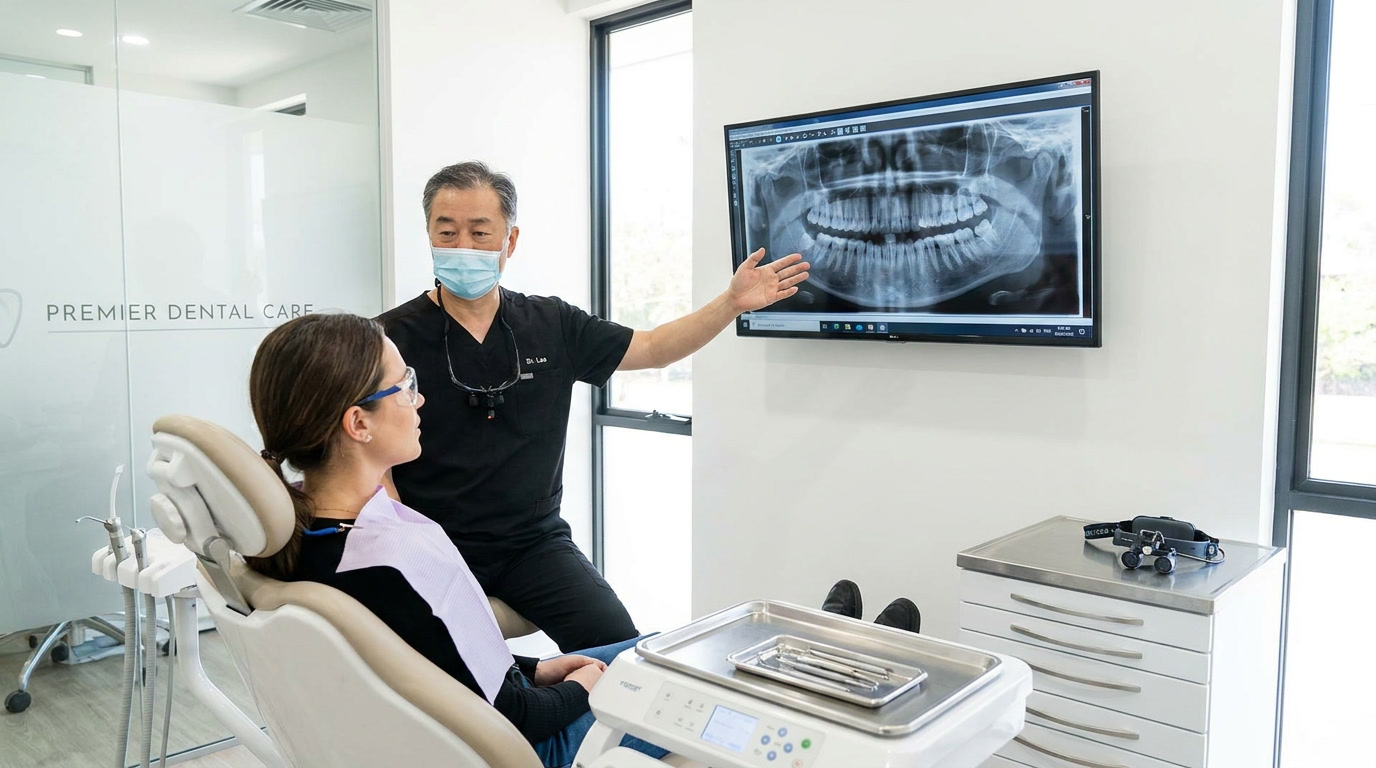
Because these symptoms overlap with many other conditions, a proper diagnosis is crucial. Your dentist or doctor may examine your jaw movement, check for tenderness, and use imaging like X-rays or MRI scans to better understand the issue.
Non-Invasive TMJ/TMD Treatment Options
In most cases, TMD symptoms improve without aggressive intervention. The goal is to reduce pain, restore jaw function, and prevent future discomfort—starting with conservative approaches.
Lifestyle and At-Home Care
Simple changes can significantly reduce discomfort, including:
- Eating softer foods
- Using warm or cold compresses
- Avoiding habits like nail-biting, gum chewing, or clenching
- Taking over-the-counter pain relievers such as NSAIDs
These steps are often the first line of care when symptoms appear.
- Physical Therapy
Manual therapy and targeted exercises can help improve jaw mobility and reduce muscle tension. A trained therapist can guide gentle stretching and strengthening movements to support the joint. - Behavioral and Stress-Management Techniques
Stress often worsens jaw tension. Approaches like cognitive behavioral therapy, relaxation training, and biofeedback can help individuals manage stress-induced muscle clenching and improve symptoms. - Medications
Depending on your diagnosis, your provider may recommend NSAIDs, muscle relaxants, or short-term prescriptions. Stronger medications like opioids and certain antidepressants should be used with caution and only under supervision due to potential risks. - Intraoral Appliances
Nightguards or splints can help reduce strain on the jaw. However, these devices must not be designed to permanently alter your bite, as bite-changing devices can worsen the condition.
Advanced TMJ/TMD Treatment Options
When conservative methods aren’t effective, your provider may consider more involved therapies. These are only recommended when absolutely necessary and after simple treatments have been tried.
- Acupuncture or TENS therapy may offer temporary relief for some patients.
- Arthrocentesis, which flushes the joint, can ease pain for individuals with disc displacement.
- Arthroscopy allows a doctor to view the joint and remove adhesions with minimal incisions.
- Open joint surgery is a last resort reserved for severe cases, such as structural damage or jaw immobility.
- TMJ implants may be considered for complex joint issues, though long-term research is still evolving.
If you’re experiencing ongoing jaw discomfort, stiffness, or pain, exploring TMJ/TMD treatment options early can prevent symptoms from worsening. Start with simple, non-invasive care, seek guidance from a qualified dental or medical professional, and approach any invasive treatments with caution. TMDs often improve with the right combination of self-care, professional support, and a thoughtful treatment plan.