
TMJ/TMD Treatment: What to Expect and How It Helps
Temporomandibular joint disorders (commonly known as TMJ or TMD) can affect your ability to speak, eat, and move your jaw comfortably. If you’re experiencing jaw pain, clicking sounds, limited movement, or discomfort while chewing, you may be wondering what the diagnosis and treatment process looks like. TMJ/TMD treatment is tailored to each person, and understanding how healthcare professionals identify and manage the condition can help you feel prepared and confident in your care journey.
How TMJ/TMD Is Diagnosed
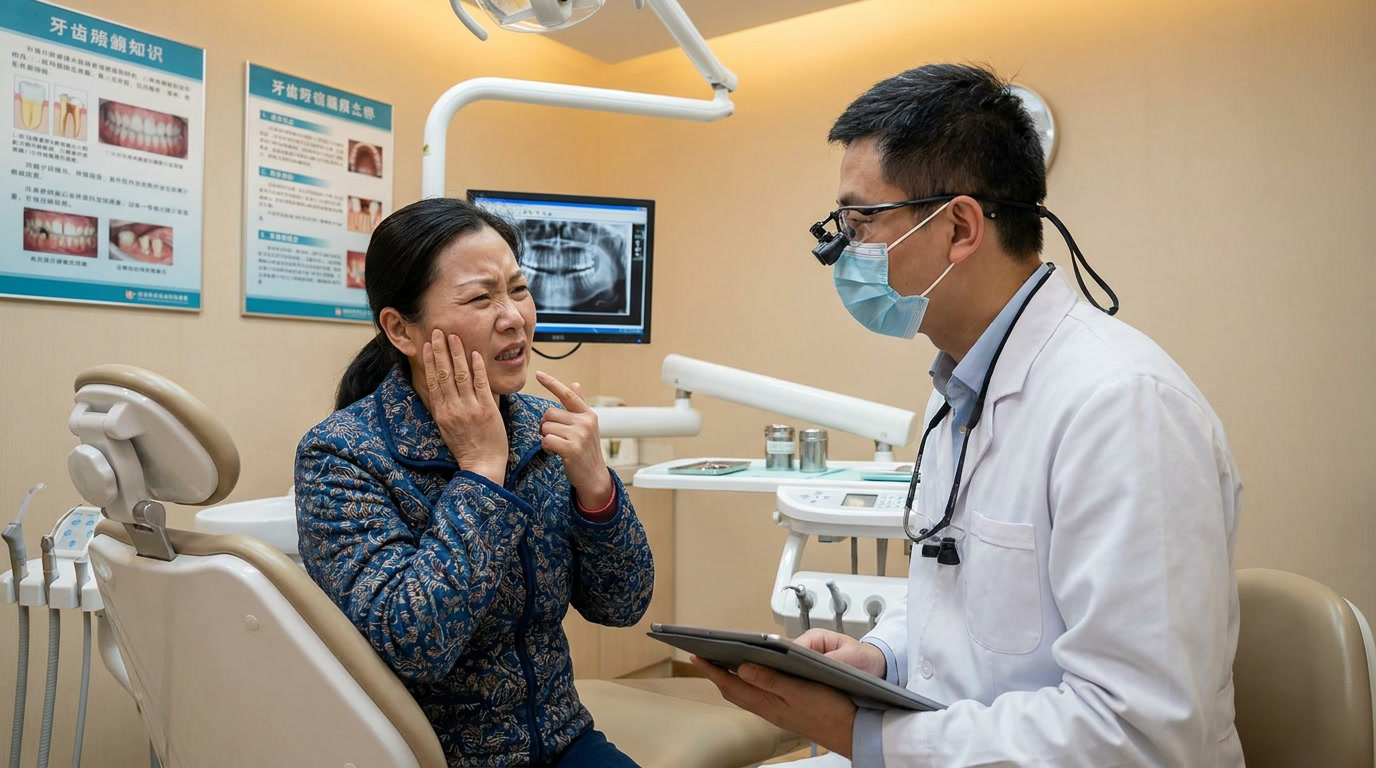
The first step in TMJ/TMD treatment is a thorough evaluation of your jaw. Your healthcare professional will start by reviewing your symptoms and examining how your jaw performs during everyday movements. They may:
- Feel the joint while you open and close your mouth.
- Observe your jaw’s movement to identify any limitations.
- Apply gentle pressure to specific areas to check for tenderness or discomfort.
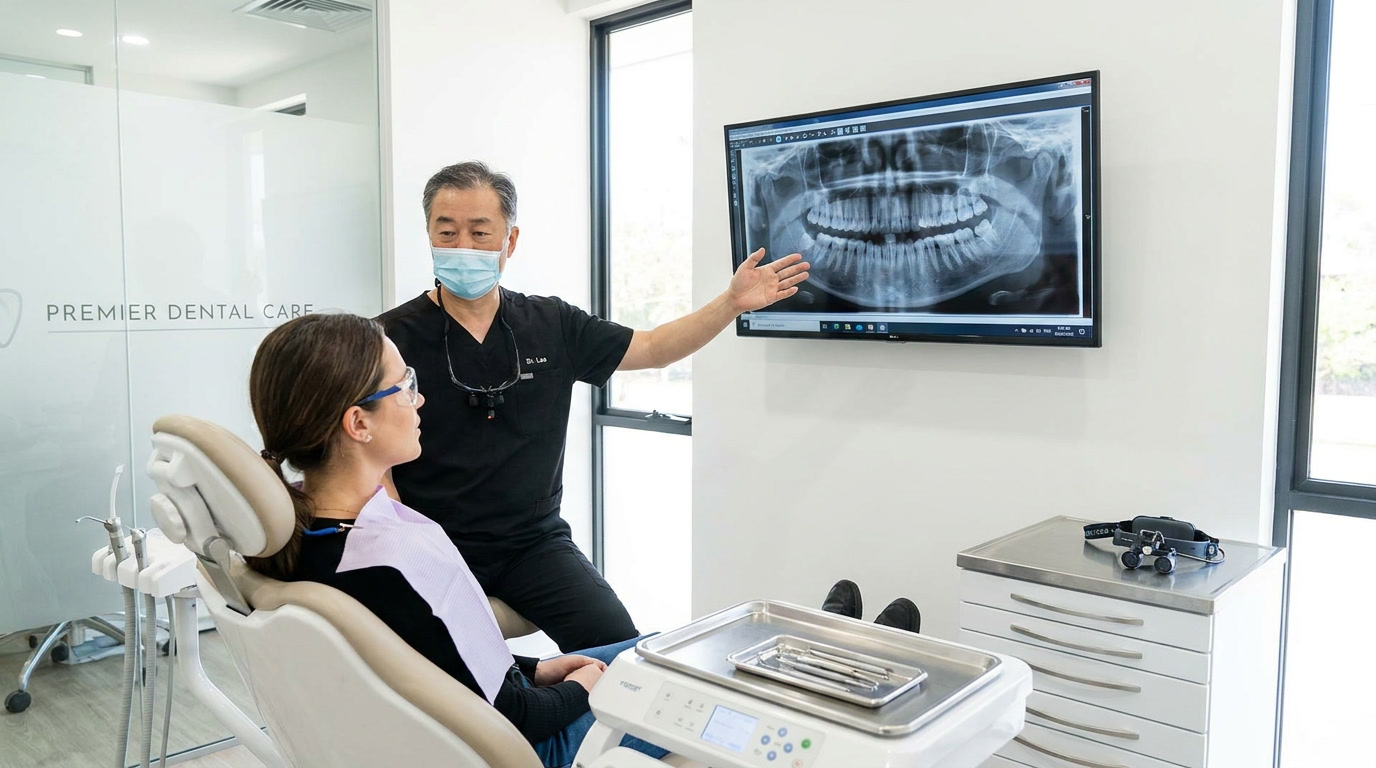
If these findings suggest a problem within the joint or surrounding muscles, you may need further imaging. Dental X-rays can reveal issues with your teeth and jaw alignment, while CT scans provide a clearer view of the bone structure. An MRI may be used to assess the joint’s cushioning disc and surrounding soft tissues.
In some cases, TMJ arthroscopy is recommended. This minimally invasive technique uses a tiny camera inserted into the joint space to allow direct visualization. It helps confirm the diagnosis and can even be used to perform minor therapeutic procedures.
Non-Surgical TMJ/TMD Treatment Options
Many people experience relief from TMJ symptoms through conservative treatments. Depending on the severity of your pain and the underlying cause, your healthcare professional may recommend a combination of approaches.
1. Medications
Several medications may be used short-term to manage discomfort, including:
- Prescription anti-inflammatory drugs for stronger pain relief
- Low-dose tricyclic antidepressants to help with pain, muscle tension, and nighttime teeth grinding
- Muscle relaxants to ease spasms and jaw stiffness
2. Therapeutic Strategies
Conservative TMJ/TMD treatment often includes lifestyle adjustments and supportive therapies such as:
- Self-care habits, such as avoiding gum chewing, reducing stress-related jaw clenching, and practicing relaxed jaw posture.
- Mouthguards or oral splints, which can reduce pressure on the teeth and joints.
- Physical therapy, including jaw exercises, ultrasound, moist heat application, and TENS (transcutaneous electrical nerve stimulation).
- Behavioral or stress-management counseling, which helps you identify habits—like nail biting or resting your chin on your hand—that may worsen symptoms.
Advanced TMJ/TMD Treatment Options
If conservative care does not provide sufficient relief, your healthcare professional may discuss minimally invasive or surgical procedures.
- Arthrocentesis involves flushing the joint with fluid to remove inflammation and improve motion.
- Corticosteroid injections may reduce swelling in some cases.
- Botulinum toxin injections (Botox) may be used to reduce muscle-related discomfort.
- TMJ arthroscopy can address scar tissue, inflammation, and structural issues with less risk than open surgery.
- Modified condylotomy focuses on improving jaw function indirectly, without operating inside the joint.
- Open-joint surgery is reserved for significant structural problems when other treatments have not relieved long-term pain.
Your healthcare professional will explain the benefits and risks of each approach and help you determine the safest, most effective plan.
Home Remedies and Complementary Approaches
Daily habits play a big role in TMJ recovery. You can support your TMJ/TMD treatment by:
- Eating softer foods and avoiding extreme jaw movements
- Using heat or cold therapy depending on whether your pain is acute or chronic
- Performing gentle stretching and massage techniques
- Practicing relaxation or controlled breathing to ease muscle tension
Alternative methods such as acupuncture, biofeedback, and guided relaxation may also complement your treatment plan.
Preparing for Your Appointment
Before your visit, it helps to note when your symptoms began, whether stress levels have changed, and if you experience frequent headaches or difficulty opening your mouth. Your healthcare professional may ask additional questions to better understand your pain pattern and daily habits.
Final Thoughts
TMJ/TMD treatment is highly individualized, and with the right combination of evaluation, therapy, and lifestyle adjustments, most people find significant relief. Understanding your options empowers you to take active steps toward restoring comfortable jaw movement and improving your quality of life.