
Avulsed Tooth
An avulsed tooth is a tooth that’s been knocked out. This is a dental emergency. If this happens to you, put your tooth back in its socket right away and call a dentist. Doing that increases the chance it’ll be saved. If that treatment doesn’t work, your dentist may recommend treatments like dental bridges or dental implants.
What is an avulsed tooth?
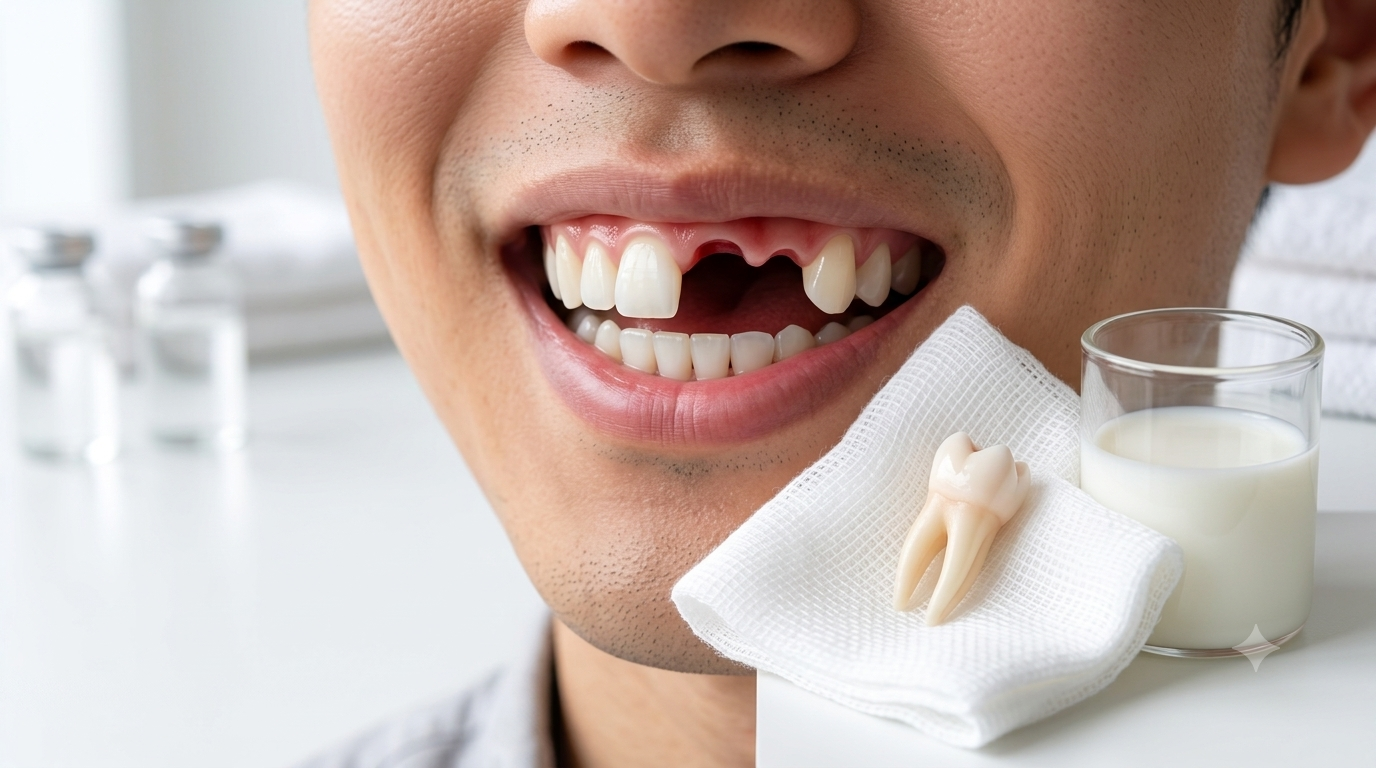
An avulsed tooth (knocked-out tooth) is a tooth that’s knocked out of its socket and, often, out of your mouth. Healthcare providers may call this dental avulsion.
Avulsed teeth are a type of dental trauma and require immediate treatment. If this happens to you or someone else, you may be able to save the tooth by putting it back in the socket right away. This is reinsertion or replantation. If you can’t put the tooth back, keep it moist and contact your dentist for an emergency appointment or go to an emergency room.
Are avulsed teeth common?
It’s a common issue. Every year, more than 5 million people in the U.S. have their teeth knocked out (avulsed). Most avulsed teeth involve the front teeth, especially the upper and lower incisors. While anyone can experience this injury, children aged 7 to 11 are most at risk.
Symptoms of an avulsed tooth
The signs of tooth avulsion are usually noticeable:
- A gap in your mouth where your tooth used to be
- Mouth pain
- Bleeding
Causes of tooth avulsion
It takes significant force to knock a tooth out. Common causes include:
- Falls or accidents
- Bicycle crashes
- Injuries during contact sports such as football, hockey, lacrosse, rugby, and martial arts
- Traffic accidents
- Physical assaults
Diagnosis
The diagnosis depends on the situation. If you can place your tooth in its socket, a healthcare provider may examine the tooth and begin treatment immediately. If you bring the tooth to the clinic, the dentist will check for other injuries and assess the mouth before reinsertion. They may also look for signs of head injury, such as a concussion, if the tooth was knocked out during a hard fall.
Immediate care for an avulsed tooth
Avulsed teeth are dental emergencies. Teeth replanted within 30 to 60 minutes have the best chance of survival. Here’s what to do:
- Pick up the tooth by the crown (white chewing surface), not the root.
- Rinse it with water or milk to remove dirt, avoiding soap or scrubbing.
- Gently place it back into the socket if possible.
- Bite down gently on gauze or a clean cloth to hold it in place.
- Contact a dentist immediately.
If reinsertion isn’t possible, keep the tooth moist:
- Store it in milk, which preserves its cells.
- You can also place it in your cheek, against your gum or under your tongue.
Dental treatment
Once you reach a dentist:
- The tooth will be checked for proper placement.
- A splint may be applied to stabilize it.
- If necessary, a root canal may be performed to treat pulp infection.
Aftercare
To protect the replanted tooth:
- Eat soft foods and avoid extreme temperatures for two weeks.
- Brush gently with a soft toothbrush.
- Use an antibacterial mouthwash twice a day for two weeks.
- Take NSAIDs as needed for pain relief.
- Avoid contact sports during healing.
Possible complications
Some complications may occur even with prompt treatment:
- Ankylosis: The tooth fuses to the jawbone and sinks into the gum tissue.
- Apical periodontitis: Inflammation around the root.
- Inflammatory root resorption: Breakdown of the root, causing loosening.
- Pulp canal obliteration (PCO): Hard tissue deposits along the root canal walls.
- Pulp necrosis: Death of the tooth pulp, requiring root canal or extraction.
Replacement options if the tooth cannot be saved
If reinsertion isn’t possible, options include:
- Partial denture
- Dental bridge
- Dental implant
Prevention
You cannot prevent all accidents, but wearing a mouth guard during contact sports significantly reduces the risk of avulsed teeth.
Living with a replanted tooth
To care for a replanted tooth:
- Avoid touching it with fingers or tongue.
- Eat soft foods for at least two weeks.
- Use a soft-bristled toothbrush and gentle brushing techniques.
- Attend all follow-up appointments.
- Use a mouth guard in sports.
See your dentist if you notice bleeding, ongoing pain, swelling, or discoloration.