Avulsed Tooth: Understanding, Managing, and Preventing Tooth Avulsion
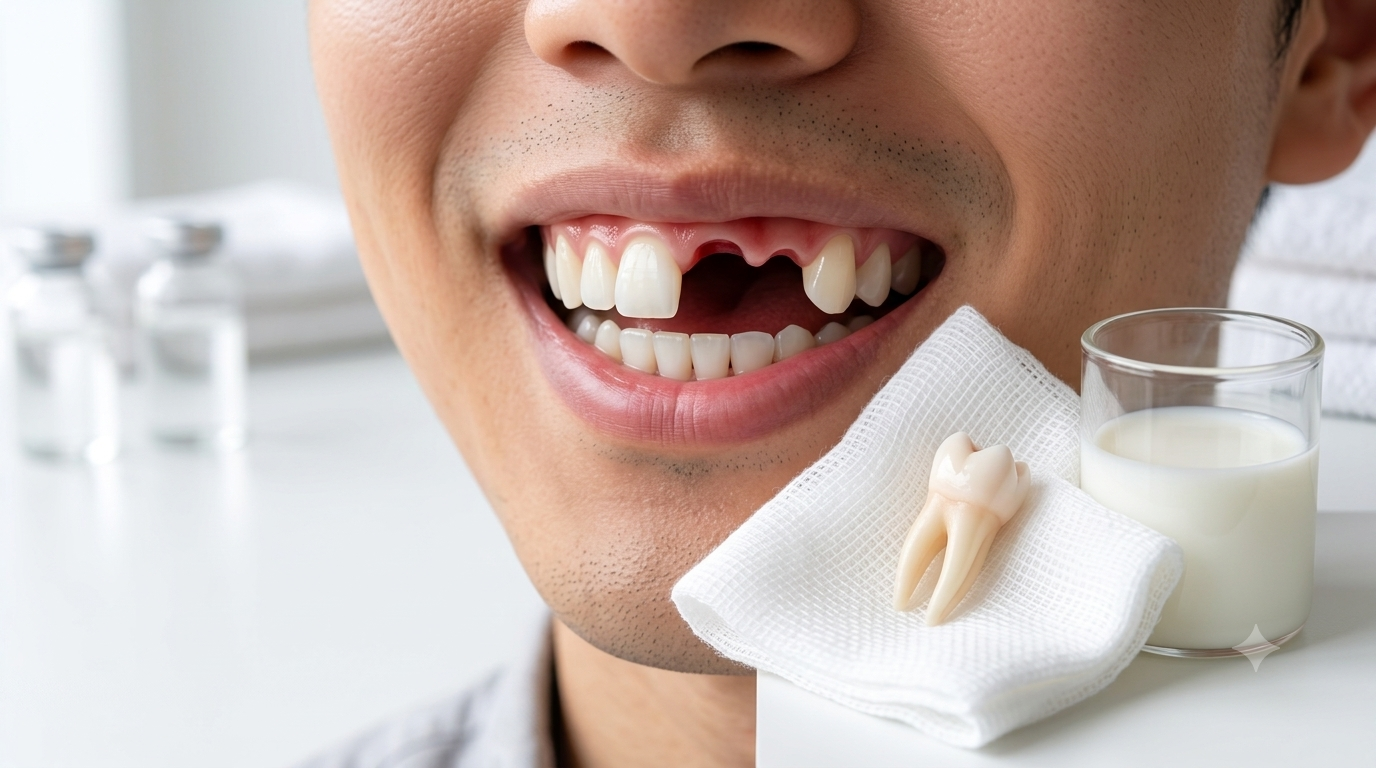
An avulsed tooth, or tooth completely knocked out of its socket, is a severe type of dental trauma that requires prompt attention. These injuries typically occur when an external force impacts the teeth, gums, or surrounding bone structures. Tooth avulsion often results from falls, sports accidents, cycling mishaps, traffic collisions, or physical assaults. Because a significant force is necessary to dislodge a tooth, other injuries to surrounding tissues, such as bone fractures or gum lacerations, may also be present.
Causes and Risk Factors
Dental trauma occurs most frequently in children between ages 7 and 11, with boys more affected than girls. Permanent teeth are injured more often than primary teeth, and the front teeth especially the maxillary central incisors—are most commonly involved. Factors that increase the likelihood of dental injury include protruding upper teeth, overjet greater than 3 mm, anterior open bite, malocclusion, and mouth breathing. Sports like ice hockey, football, rugby, martial arts, and skating carry a particularly high risk, even when helmets are worn. Mouthguards, however, have proven effective in reducing injuries.
Pathophysiology
When a tooth is avulsed, the periodontal ligament (PDL), the soft tissue connecting the tooth root to the jawbone tears. This can lead to displacement of the tooth, disruption of nerves and blood vessels, and possible pulp necrosis. The PDL fibers are delicate and can desiccate quickly when exposed to air, which may increase the risk of root resorption and eventual tooth loss even after replantation.
Immediate Management of an Avulsed Tooth
Prompt care is critical to save an avulsed tooth. The first step is to store the tooth properly if immediate reinsertion is not possible:
- Milk, saliva, or saline are recommended storage media to maintain the viability of PDL cells. Tap water should be avoided.
- Anti-resorption therapy can reduce inflammation by soaking the tooth in a solution containing antibiotics and corticosteroids before replantation.
Replantation should ideally occur within 30 minutes of the injury. Teeth replanted beyond 60 minutes face a reduced survival rate due to irreversible PDL damage. Proper anatomical alignment and gentle pressure are crucial during reinsertion.
Post-Replantation Care
Once the tooth is replanted, a semi-rigid splint is applied to stabilize it while the periodontal ligament heals. Splinting typically lasts two weeks but may extend to four weeks if the tooth was dry for over an hour. Systemic antibiotics, such as doxycycline or amoxicillin, are often prescribed to prevent infection. Follow-up appointments are essential: the tooth’s vitality is checked, and radiographs are used to monitor for resorption or ankylosis. Root canal therapy may be necessary if pulp necrosis occurs.
Potential Complications
Even with prompt treatment, complications can arise, including:
- Inflammatory root resorption or replacement resorption
- Pulp necrosis and periapical periodontitis
- Tooth discoloration and fistula formation
- Pulp canal obliteration (PCO)
Rigid splints increase the risk of ankylosis, which is particularly concerning in growing children, as it can result in a submerged tooth relative to surrounding teeth.
Prevention and Patient Education
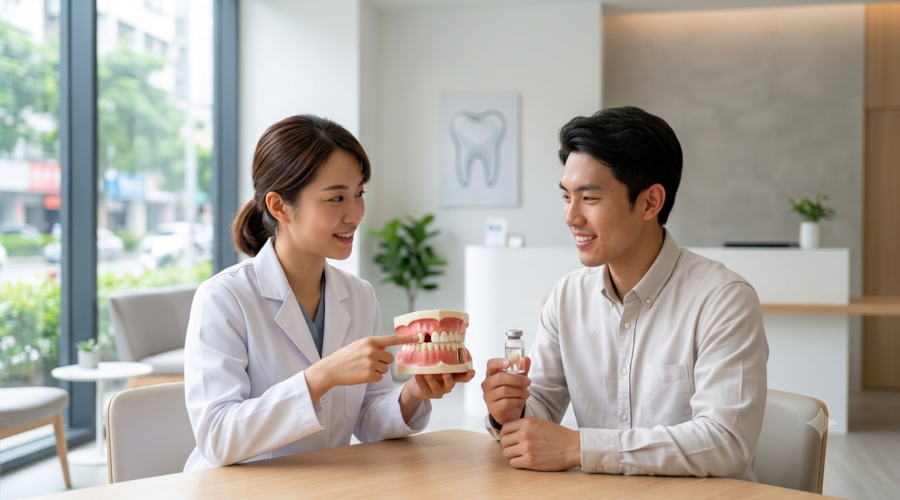
Education for parents, coaches, and first responders is vital. Early intervention improves prognosis, and preventive measures—such as wearing mouthguards during high-risk activities—can reduce the incidence of tooth avulsion. Patients should also maintain proper oral hygiene, follow a soft-food diet for at least two weeks after replantation, and attend regular dental checkups.
Prognosis
The long-term success of replanting an avulsed tooth depends on factors such as the extraoral dry time, storage medium, and follow-up care. With proper management, replantation can preserve the tooth for years, maintaining function and appearance.