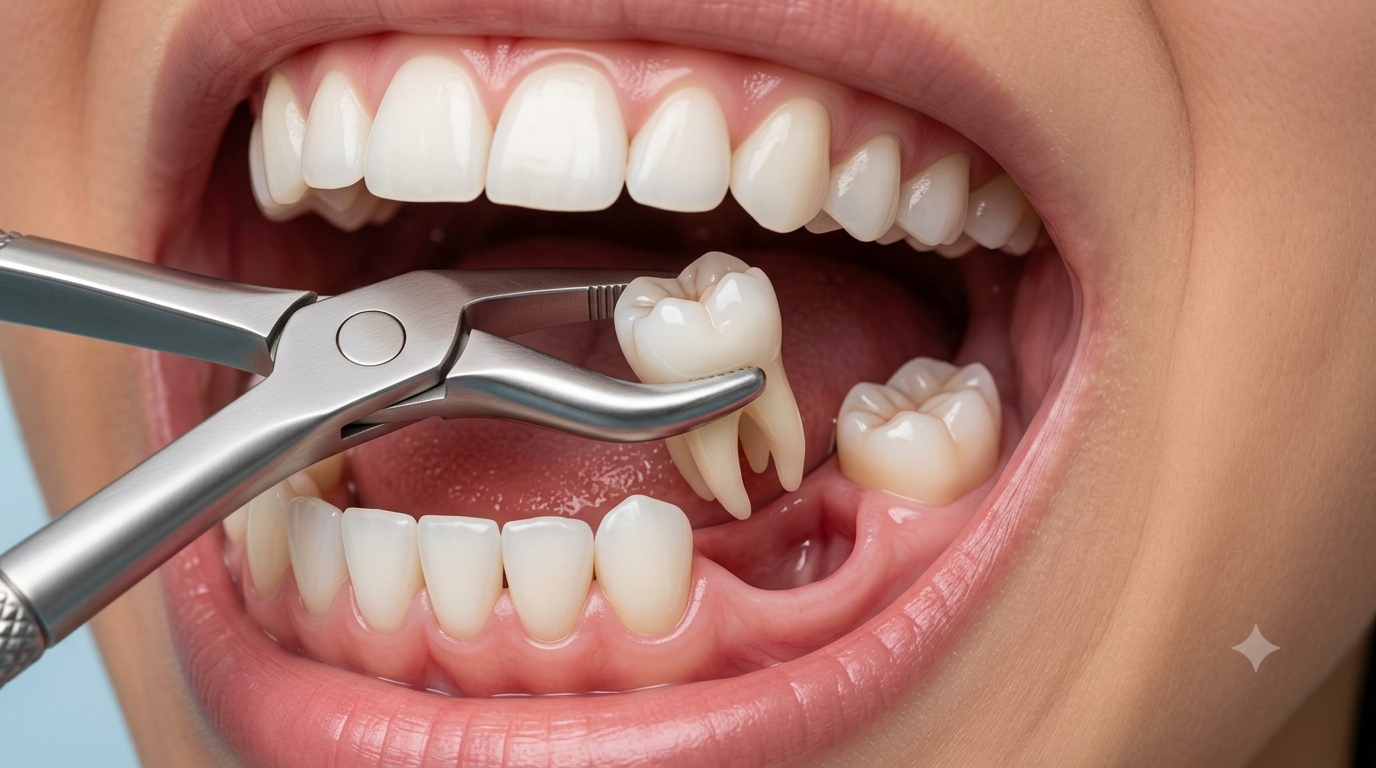

Wisdom Tooth Extraction: The Procedure
拔除智齒 is a common dental procedure that helps prevent pain, infection, and damage caused by problematic wisdom teeth.
These teeth, also known as 第三大臼齒, are the last permanent teeth to develop and usually appear between the ages of 17 and 25. While some people experience no issues, many require 拔除智齒 because there isn’t enough room for these teeth to grow properly.
Understanding when extraction is necessary and knowing what to expect before and after the procedure can help you feel more confident about your treatment.
Why Wisdom Teeth Often Need to Be Removed
Not every wisdom tooth requires extraction. However, when these teeth become impacted or erupt incorrectly, they can create several oral health concerns.
您的牙醫可能會建議您 拔智齒 if your wisdom teeth:
- Grow sideways or remain trapped beneath the gums.
- Cause crowding by pushing against nearby teeth.
- Lead to recurring gum infections.
- Develop cavities that are difficult to clean or treat.
- Form cysts around the tooth.
- Cause persistent jaw pain or swelling.
In some cases, dentists recommend removing wisdom teeth before symptoms develop to reduce the likelihood of future complications.
Preparing for Wisdom Tooth Extraction Surgery
Before scheduling the procedure, your dentist or oral surgeon will perform a detailed examination, including dental X-rays, to evaluate the position of your wisdom teeth and determine the most appropriate treatment approach.
During your consultation, you’ll discuss:
- Your medical history and current medications.
- The type of anaesthesia or sedation suitable for your procedure.
- Instructions to follow before surgery.
- Recovery expectations and aftercare guidelines.
Being well prepared helps make the procedure smoother and supports a faster recovery.
What Happens During the Procedure?
一個 拔智齒 is typically completed in less than an hour, depending on the number and position of the teeth being removed.
The procedure generally includes:
- Numbing the treatment area with local anaesthesia or administering sedation.
- Creating a small opening in the gum if the tooth is impacted.
- Carefully removing the wisdom tooth.
- Cleaning the extraction site to reduce the risk of infection.
- Placing stitches when necessary.
- Applying gauze to help control bleeding.
Modern techniques make 拔除智齒 a routine and comfortable procedure for most patients.
Caring for Yourself After Surgery
Proper aftercare is essential for a successful wisdom tooth recovery. The first few days are usually when swelling and discomfort are most noticeable, but symptoms gradually improve as healing progresses.
To promote healing:
- Rest and avoid strenuous physical activity.
- Apply ice packs to minimise swelling.
- Eat soft foods such as yoghurt, mashed potatoes, soup, scrambled eggs, and smoothies eaten with a spoon.
- Keep your mouth clean while avoiding vigorous rinsing during the first 24 hours.
- Take all prescribed medications as directed.
Following your dentist’s instructions greatly reduces the chance of complications.
Common Mistakes to Avoid During Recovery
Certain activities can interfere with healing and increase the risk of dry socket or infection.
Avoid:
- 用吸管喝東西。
- Smoking or vaping.
- Eating crunchy, sticky, or hard foods.
- Drinking alcohol during the initial recovery period.
- Touching the extraction site with your fingers or tongue.
These simple precautions help protect the healing blood clot and allow the gums to recover properly.
Conclusion
拔除智齒 is a safe and effective solution for preventing many oral health problems associated with impacted or poorly positioned wisdom teeth.
Early evaluation allows your dentist to identify potential concerns before they become more serious.