Understanding Mouthguards
A healthy smile is something most of us don’t think twice about—until an accident or habit puts it at risk. Whether you’re active in sports, grind your teeth at night, or simply want extra protection for your dental work, mouthguards play a crucial role in keeping your teeth safe. Designed to cushion impact and prevent injuries, these simple devices can make a world of difference for children, teens, and adults.
What Mouthguards Actually Do
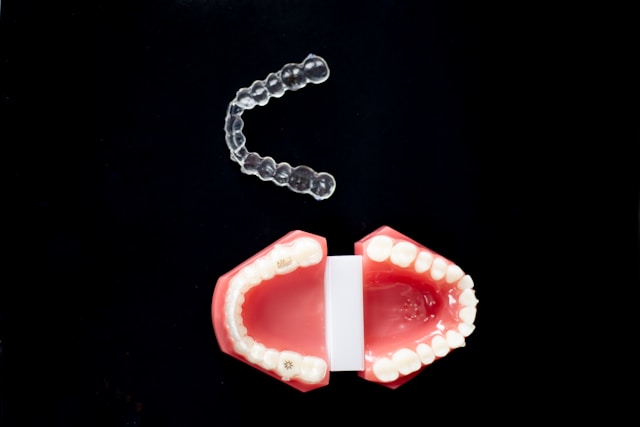
A mouthguard works as a protective barrier between your teeth and anything that could harm them. When worn correctly, it absorbs shock, reduces the force of impact, and minimizes the chances of cracked teeth, cuts inside the mouth, and even jaw injuries. Because the upper teeth are more exposed and prone to trauma, most mouthguards are crafted to cover the top arch, though some people may need one for the lower teeth depending on dental needs.
Beyond preventing physical injuries, mouthguards can support people who clench or grind their teeth, helping reduce enamel wear, jaw discomfort, and morning headaches. They can also play a supportive role in improving airflow for individuals with snoring or mild sleep-related breathing issues.
Choosing the Right Type
All mouthguards serve the same purpose, but not all offer the same level of comfort or protection. There are three main categories:
1. Custom-Fit Mouthguards
These are made by a dentist specifically for your teeth. Because they’re tailored to your mouth shape, they feel secure, allow you to breathe easily, and offer the highest level of protection. They’re ideal for athletes, heavy grinders, and people with dental appliances like braces or implants.
2. Boil-and-Bite Mouthguards
A popular option found in many sports shops, these can be softened in hot water before being molded to your teeth at home. They provide better fit than stock versions but still don’t match the comfort or durability of a professionally made one.
3. Stock Mouthguards
These come ready-to-wear and are the most affordable. However, their one-size design can feel bulky and may not stay in place well. They’re better than wearing nothing—but not a long-term solution.
Why Athletes Need Mouthguards
Even in non-contact activities, unexpected falls and collisions happen. From skating and cycling to football and basketball, wearing a mouthguard helps reduce the risk of chipped teeth, lip injuries, and other trauma. For those with braces, it’s even more important—one hit to the face without protection can cause damage to the brackets and to the soft tissues around them.
Caring for Your Mouthguard

A mouthguard works best when it’s clean and in good shape. To keep yours hygienic and long-lasting:
- Rinse it with cool water before and after wearing it.
- Use mild soap or toothbrush-and-toothpaste to clean it regularly.
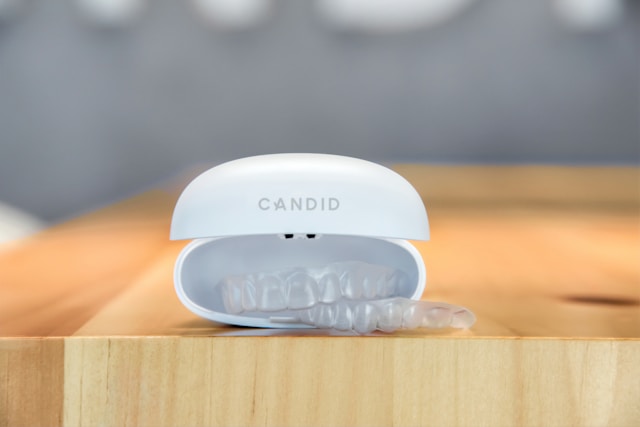
- Store it in a ventilated, durable case.
- Keep it away from heat, including hot water and direct sunlight, to avoid warping.
- Bring it to your dental appointments so your dentist can assess its fit and condition.
Children and teens may need more frequent replacements because their mouths are still growing. Adults should replace theirs if it becomes worn, uncomfortable, or loose.
When to Ask Your Dentist About a Mouthguard
If you play sports, wake up with jaw pain, clench your teeth, or have dental restorations that need extra protection, a mouthguard may be recommended. Your dentist can help determine the ideal type based on your lifestyle and oral health.