Mouthguards
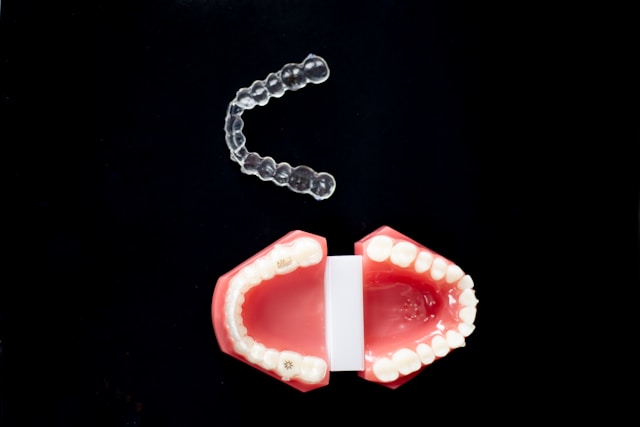
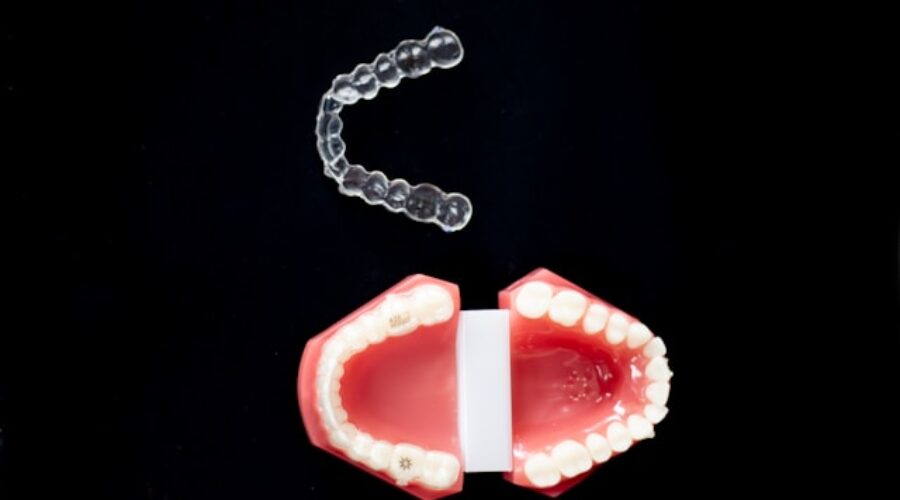
Mouthguards play an essential role in protecting your oral health, whether you’re trying to prevent injuries, reduce teeth grinding, or manage sleep-related issues. Designed to fit comfortably over your teeth, mouthguards provide a protective barrier that supports both your smile and your overall well-being. Both children and adults benefit from using them, depending on their lifestyle, dental needs, or health conditions.
Why Mouthguards Are Important
A mouthguard is more than just a dental accessory—it’s a preventive tool that shields your teeth and soft tissues from damage. Dentists recommend mouthguards for a variety of reasons, including:
- Grinding or clenching the teeth (bruxism)
- Engaging in high-impact sports or recreational activities
- Snoring or mild obstructive sleep apnea
- Managing jaw pain caused by TMJ disorders
While most mouthguards are designed to cover the upper teeth, your dentist may recommend a lower-arch mouthguard depending on your specific condition.
Different Types of Mouthguards and Their Uses
Mouthguards come in several types, each serving a unique purpose.
1. Mouthguards for Sports Safety
Sports mouthguards protect against injuries caused by physical contact or accidental falls. They significantly reduce the risk of chipped teeth, fractures, soft-tissue injuries, and knocked-out teeth during activities like football, boxing, basketball, hockey, or even high-risk non-contact sports like gymnastics and biking.
2. Mouthguards for Managing Teeth Grinding
Night guards—or grinding mouthguards—help cushion your teeth from the pressure caused by clenching and grinding, especially during sleep. They prevent premature enamel wear, reduce jaw pain, and may ease symptoms related to TMJ disorders.
3. Mouthguards for Snoring and Sleep Apnea
Specialized mouthguards can reposition your jaw to keep the airway open at night. These are often recommended for patients with chronic snoring or mild obstructive sleep apnea.
Store-Bought vs. Custom Mouthguards
You can choose between over-the-counter mouthguards 或者 custom-made mouthguards created by your dentist.
- Store-bought options include stock guards or boil-and-bite varieties. While budget-friendly, they may not offer the same level of comfort, durability, or protection—especially for teeth grinding or sleep apnea.
- Custom mouthguards fit the exact shape of your teeth and jaws. Dentists take impressions (physical or digital) and fabricate a mouthguard that matches your bite perfectly. These guards offer better comfort, longer-lasting durability, and superior protection.
Benefits of Using Mouthguards
Incorporating mouthguards into your routine can help prevent:
- Fractured or knocked-out teeth
- Injuries to the gums, cheeks, and lips
- Wear from grinding or clenching
- Headaches, jaw pain, or facial discomfort
- Snoring and sleep apnea complications
Because they protect both your teeth and supporting structures, mouthguards can also safeguard dental restorations like crowns, implants, and bridges.
How Long Mouthguards Last
The lifespan of a mouthguard depends on how often it’s used and how well it’s cared for. A custom mouthguard can last several years, while store-bought options may need replacement more frequently. Children and teenagers may need new mouthguards more often as their teeth and jaws continue to develop.
Caring for Your Mouthguard
To keep your mouthguard clean and functional:
- Rinse after use and brush gently with soapy water
- Avoid hot water and direct heat
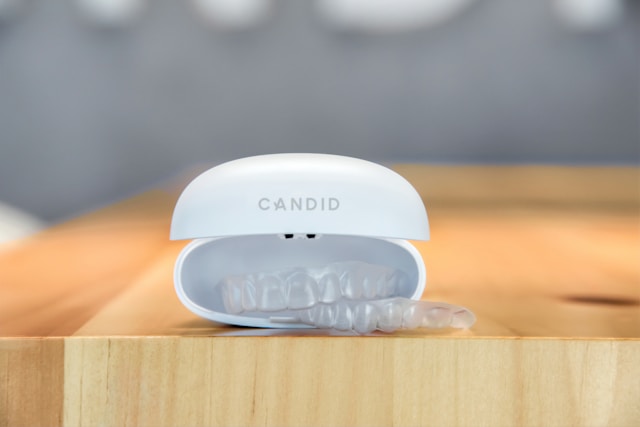
- Store in a ventilated protective case
- Keep it away from pets
- Bring it to dental checkups for evaluation
Should You Wear a Mouthguard?
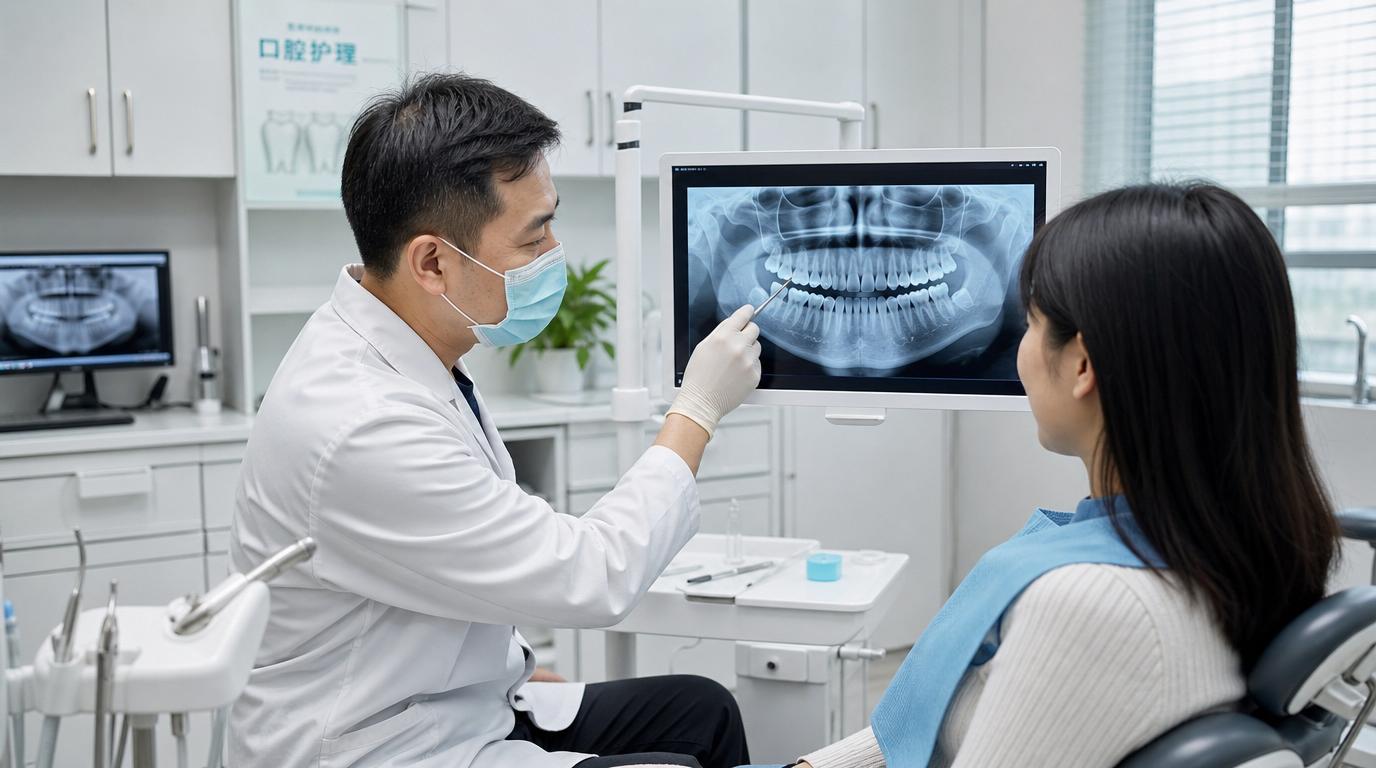
If you grind your teeth, play sports, or struggle with snoring, a mouthguard might be the simplest solution to protect your smile and improve your quality of sleep. Your dentist can help you choose the best type based on your needs.