
Understanding Dental X-Rays and Its Importance
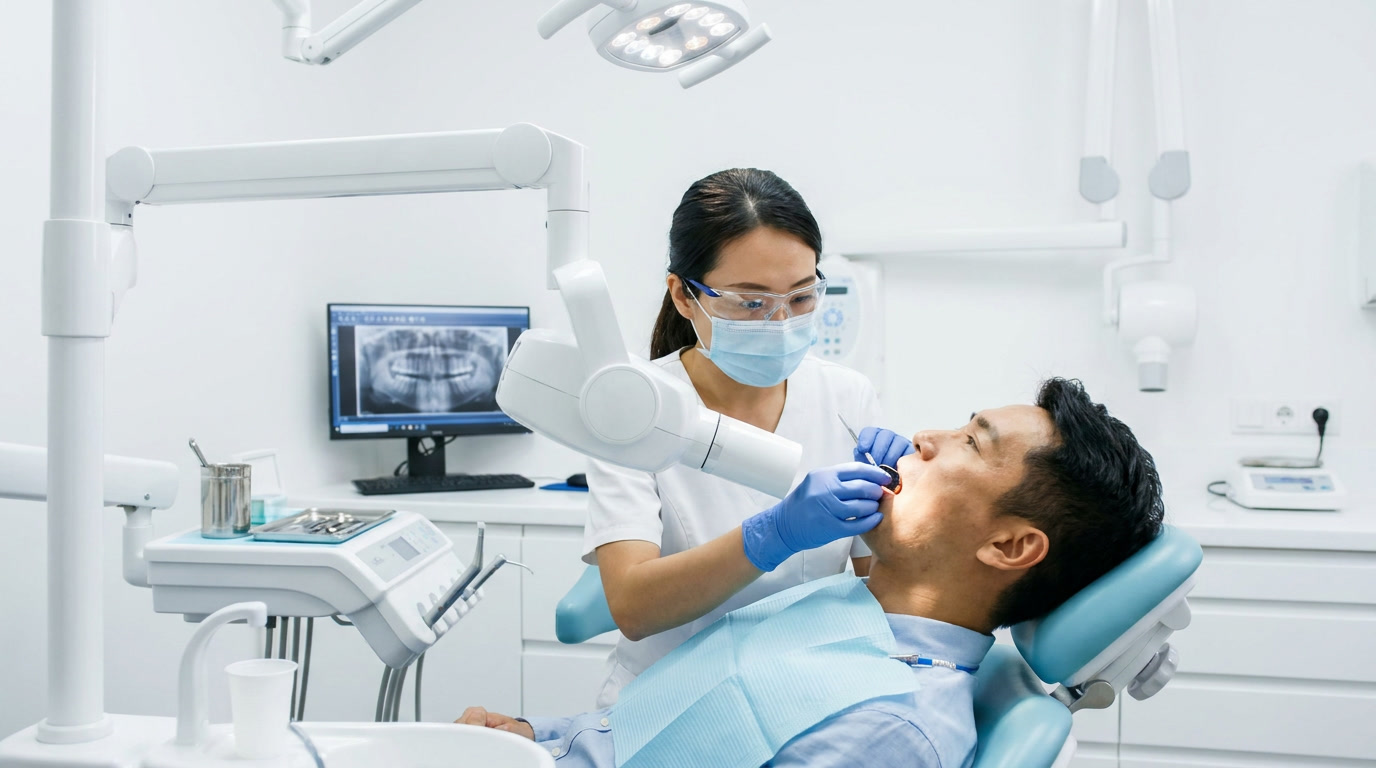
When you have a problem with your teeth, your dentist will first do a visual examination to give you the answers you’re seeking. But a visual examination doesn’t always give you all the necessary information. That’s where X-rays can be beneficial. They help dentists detect possible decay or diseases that just aren’t visible to the naked eye.
So Why Are Dental X-Rays Important?
X-rays, also known as radiographs, allow your dentist to see between and inside your teeth. Dental X-rays are important because they give your dentist the whole picture. They help dentists see the condition of your teeth and also the roots, jaw placement, and facial bone composition. They will help your dentist find and treat dental problems before they become too serious or advanced.
Types of dental X-rays
There are several types of dental X-rays, which record slightly different views of your mouth. The most common are intraoral X-rays, like:
- Bitewing
This technique involves biting down on a special piece of paper so that your dentist can see how well the crowns of your teeth match up. This is commonly used to check for cavities between teeth (interdental).
- Occlusal:
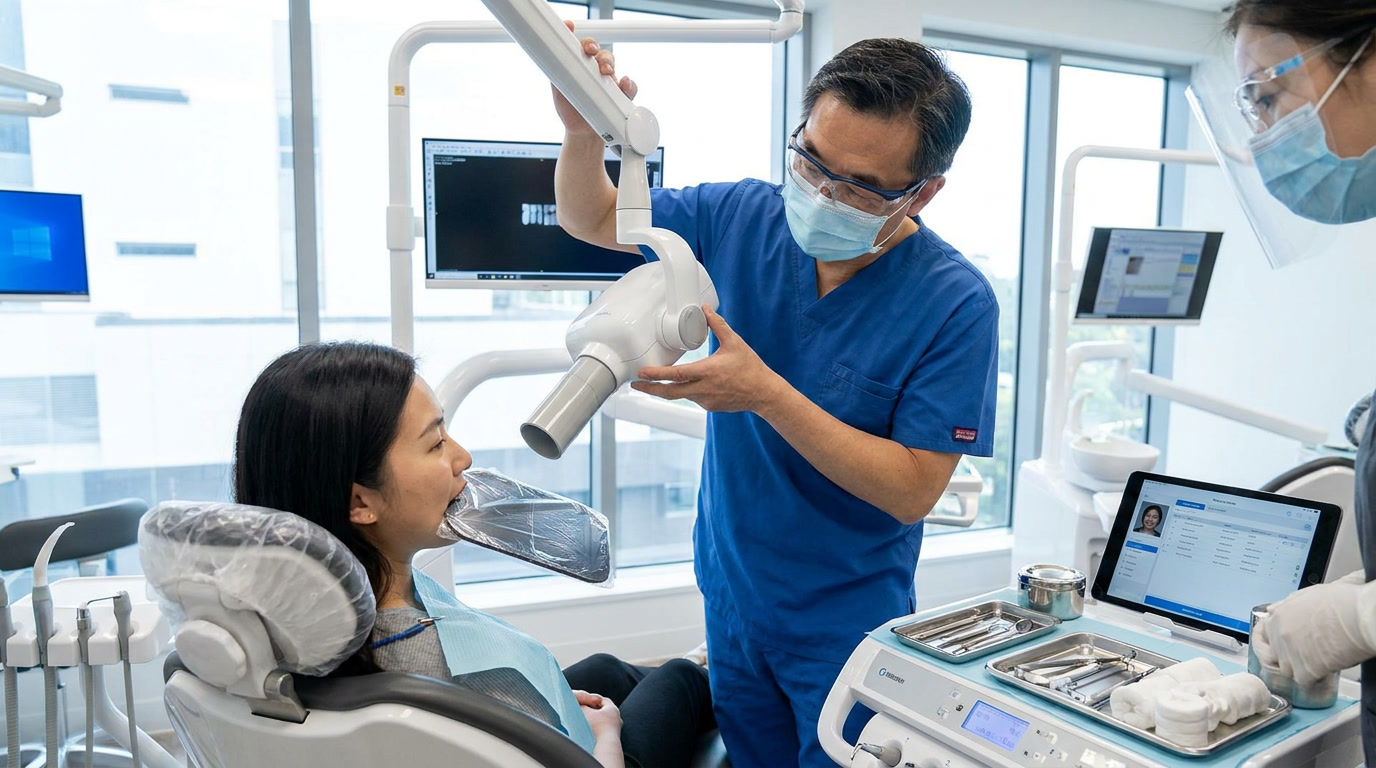
This X-ray is done when your jaw is closed to see how your upper and bottom teeth line up. It can also detect anatomical abnormalities with the floor of the mouth or the palate. This technique captures all of your teeth in one shot.
- Panoramic
For this type of X-ray, the machine rotates around the head. Your dentist may use this technique to check your wisdom teeth, plan for implanted dental devices, or investigate jaw problems. This technique focuses on two complete teeth from root to crown.
Extraoral X-rays may be used when your dentist suspects there might be problems in areas outside of the gums and teeth, like the jaw.
- Cone-beam computed tomography (CBCT)
It is a 3D imaging technology that uses a cone-shaped X-ray beam to create detailed images of teeth, soft tissues, and bone. It is used to diagnose and plan treatment for dental and facial issues when conventional X-rays are insufficient, providing more comprehensive information than 2D images.
Revolutionizing dental diagnostics: digital X-ray technology
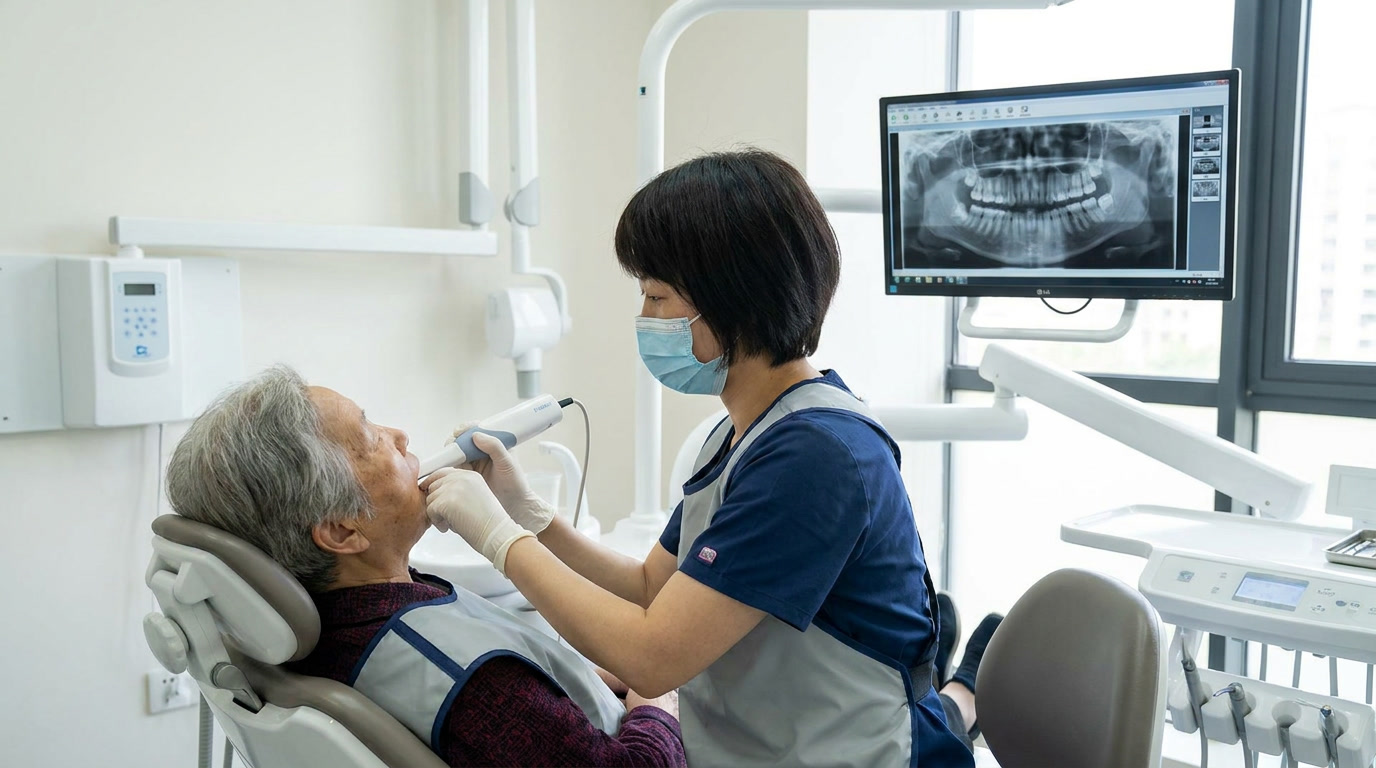
Digital X-ray technology has transformed the way dentists diagnose and monitor oral health conditions. Unlike traditional film X-rays, digital radiography offers clearer, more detailed images with minimal radiation exposure. This innovation enables faster, more accurate diagnoses, allowing dental professionals to detect issues such as cavities, bone loss, and infections early—ensuring better treatment outcomes and a healthier smile.
- The power of Digital Imaging – Digital imaging allows X-rays to be sent directly to a computer, becoming instantly available for viewing, storing or printing.
- Reduced Radiation Exposure – Digital X-rays require far less radiation exposure compared to traditional film X-rays, making it safer for you.
- Immediate availability – X-rays are viewable on-screen within seconds, making consultation and treatment planning more efficient.
- Enhanced Image Quality – Digital technology offers incredible image clarity. The image can be magnified and enhanced allowing your dentist to quickly diagnose any concerns.
- Seamless Sharing Capabilities – Need to see a specialist? Digital X-rays can be electronically sent to other providers along with your dental history.
Conclusion
Like brushing and flossing, getting regular dental X-rays is an integral part of your overall oral health.
Having a good checkup can be a relief, but this doesn’t mean you shouldn’t keep getting X-rays.