
Dental X-Rays
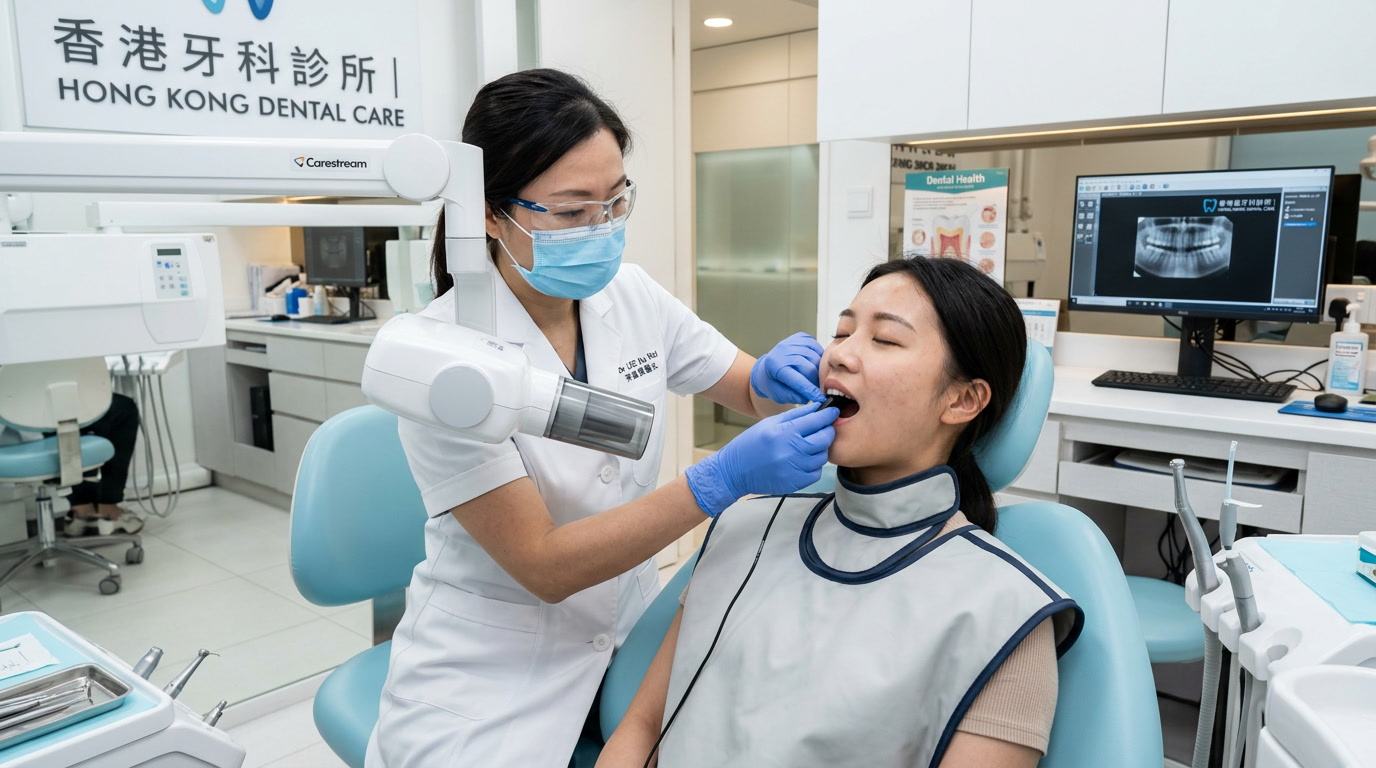
Dental X-rays (radiographs) are images of your teeth that your dentist uses to evaluate your oral health. These X-rays are used with low levels of radiation to capture images of the interior of your teeth and gums.
These X-rays can help your dentist to identify problems like cavities, tooth decay, and impacted teeth. Dental X-rays may seem complex, but they’re actually very common tools that are just as important as your teeth cleanings.
Why dental X-rays are performed
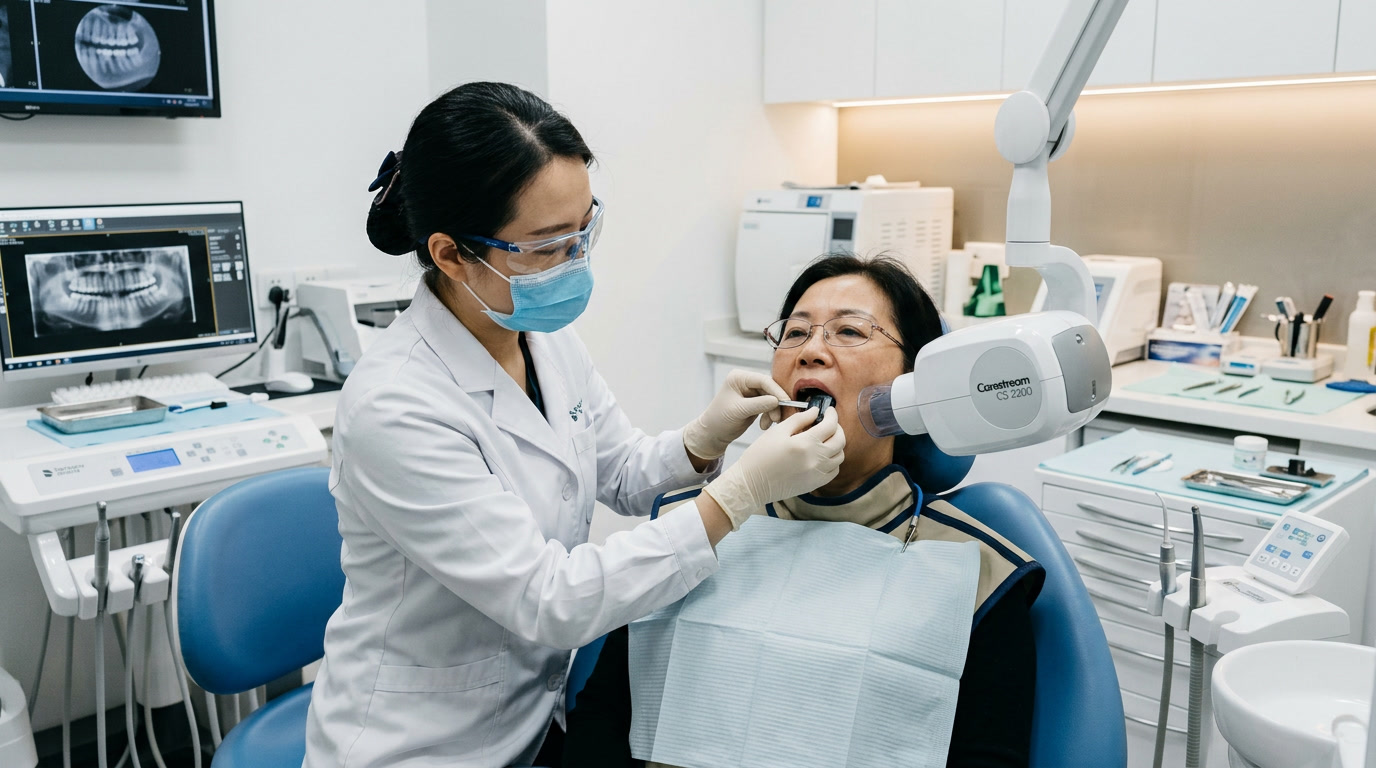
Dental X-rays are typically performed yearly. They can happen more often if your dentist is tracking the progress of a dental problem or treatment.
Factors affecting how often you get dental X-rays may include:
- your age
- your current oral health
- any symptoms of oral disease
- a history of gum disease (gingivitis) or tooth decay
- If you’re a new patient, you’ll probably undergo dental X-rays so that your new dentist can get a clear picture of your dental health. This is especially important if you don’t have any X-rays from your previous dentist.
Children may need to have dental X-rays more often than adults because their dentists might need to monitor the growth of their adult teeth. This is important because it can help the dentist determine if baby teeth need to be pulled to prevent complications, like adult teeth growing in behind baby teeth.
Risks of dental X-rays
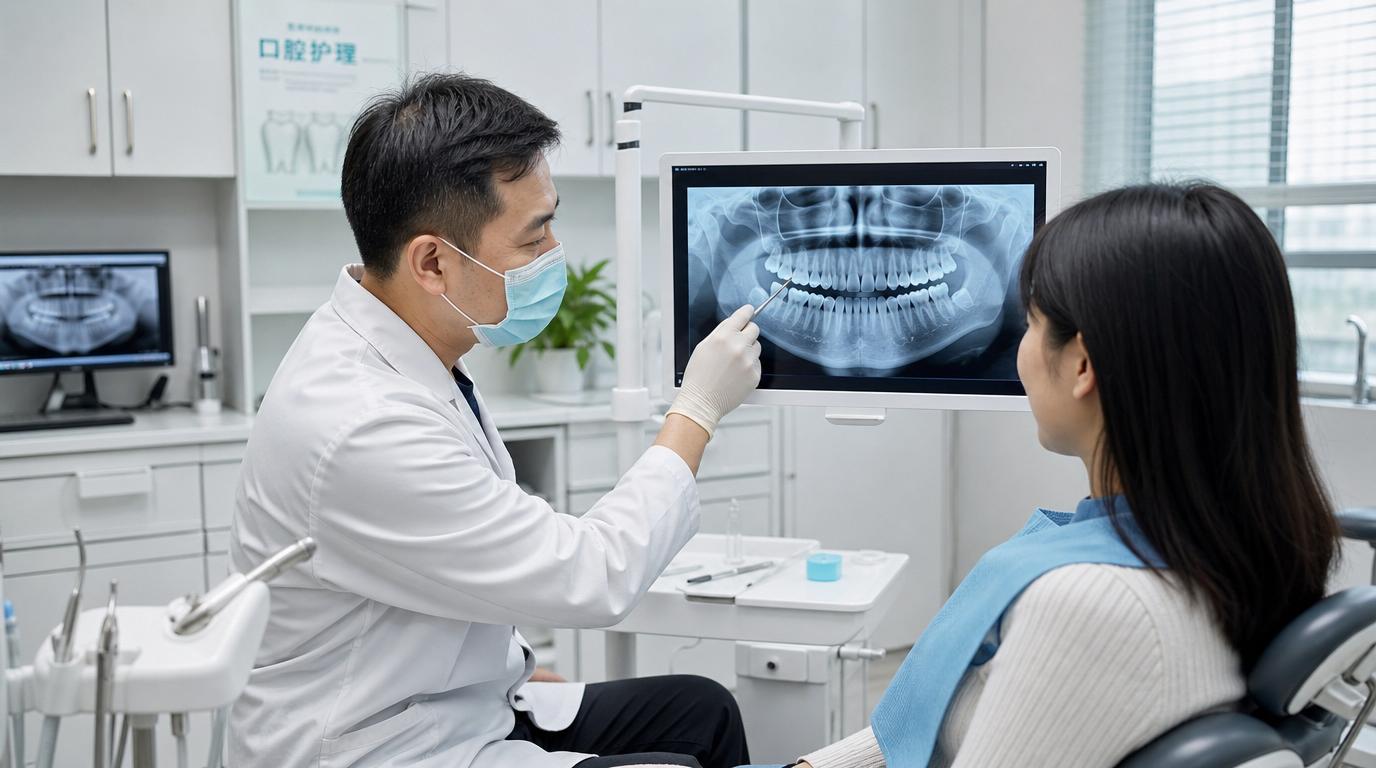
While dental X-rays do involve radiation, the exposed levels are so low that they’re considered generally safe for children and adults. If your dentist uses digital X-rays instead of developing them on film, your risks from radiation exposure are even lower.
Your dentist will also place a lead “bib” over your chest, abdomen, and pelvic region to prevent any unnecessary radiation exposure to your vital organs. A thyroid collar may be used in the case of thyroid conditions. Children and women of childbearing age may also wear them along with the lead bib.
Pregnancy is an exception to the rule. Women who are pregnant or believe they may be pregnant should avoid all types of X-rays. Tell your dentist if you believe you’re pregnant, because radiation is not considered safe for developing fetuses.
Are Dental X-Rays Safe?
According to Mouth Healthy by the American Dental Association, dental X-rays are perfectly safe. While they do expose you to low radiation levels, the harmful effects associated with them are also low. That said, you can always ask for the added protection of a leaded apron to cover your abdomen or a leaded collar to protect your thyroid.
Additionally, prevention is always better than cure. Brushing twice a day and flossing regularly can prevent tooth decay and lessen the need for X-rays.
Getting a dental X-ray might not feel like much fun. But don’t forget, they’re an important tool to detect tooth decay and other dental problems as early as possible, saving you both money and pain and keeping the smile on your face wide and bright!