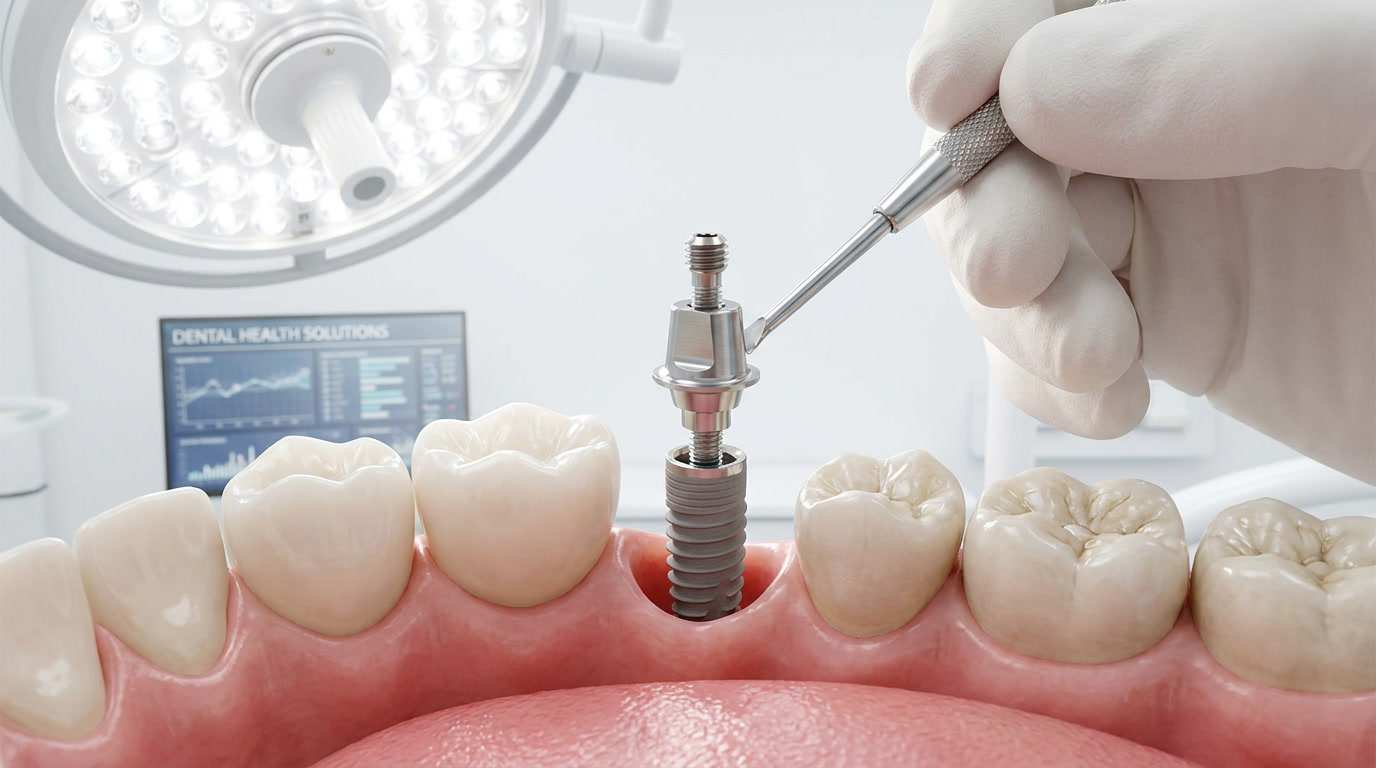
The Dental Implant Surgery and Procedure
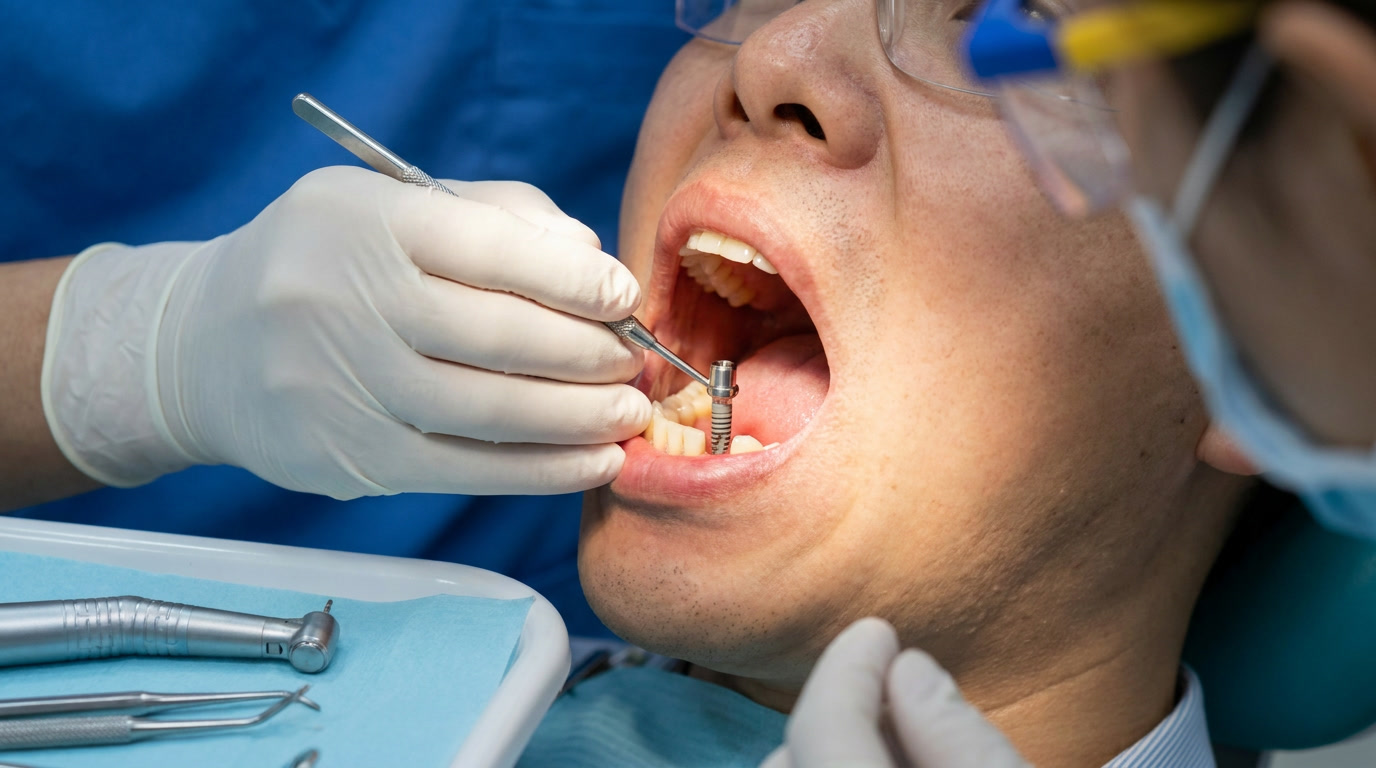
植牙 surgery is a modern solution for replacing missing or damaged teeth. It involves placing metal posts that act as artificial roots into the jawbone, allowing for realistic and durable replacement teeth that look and function like natural ones. Unlike dentures or bridges, implants offer greater stability, comfort, and long-term results, making them an ideal choice for many people.
The dental implant procedure depends on factors such as the type of implant and the condition of your jawbone. Because the bone needs time to heal and bond with the implant, the process can take several months. However, the result is a permanent and reliable foundation for your new teeth.
How To Prepare
The planning process for 植牙 may involve various specialists, including:
- An oral and maxillofacial surgeon, who is a healthcare professional specializing in conditions of the mouth, jaw and face.
- A periodontist, who is a dentist specializing in treating structures that support the teeth, such as gums and bones.
- A prosthodontist, who is a dentist who designs and fits artificial teeth.
- An ear, nose and throat (ENT) specialist.
Because 植牙 require one or more surgical procedures, to prepare for the process you’ll likely receive a:
- Full dental exam. You may have dental X-rays and 3D images taken. Also, models may be made of your teeth and jaw.
- Review of your medical history. Tell your healthcare professional about any medical conditions and any medicines that you take, including prescription medicines, medicines available without a prescription and supplements. If you have certain heart conditions or bone or joint implants, your healthcare professional may prescribe antibiotics before surgery to help prevent infection.
- Treatment plan. This plan is made just for you. It considers how many teeth need to be replaced and the condition of your jawbone and remaining teeth.
To control pain, anesthesia options during surgery may include:
- Local anesthesia, in which the area that’s worked on is numbed.
- Sedation, which helps you feel calm or less anxious.
- General anesthesia, in which you are in a sleeplike state.
Talk with your dental specialist about which option is best for your dental implant. Depending on what type of anesthesia you have, you may need to limit what you eat or drink before surgery. If you’re having sedation or general anesthesia, plan to have someone take you home after surgery. Also, expect to rest through the end of the day.
Who Can Get Dental Implants?
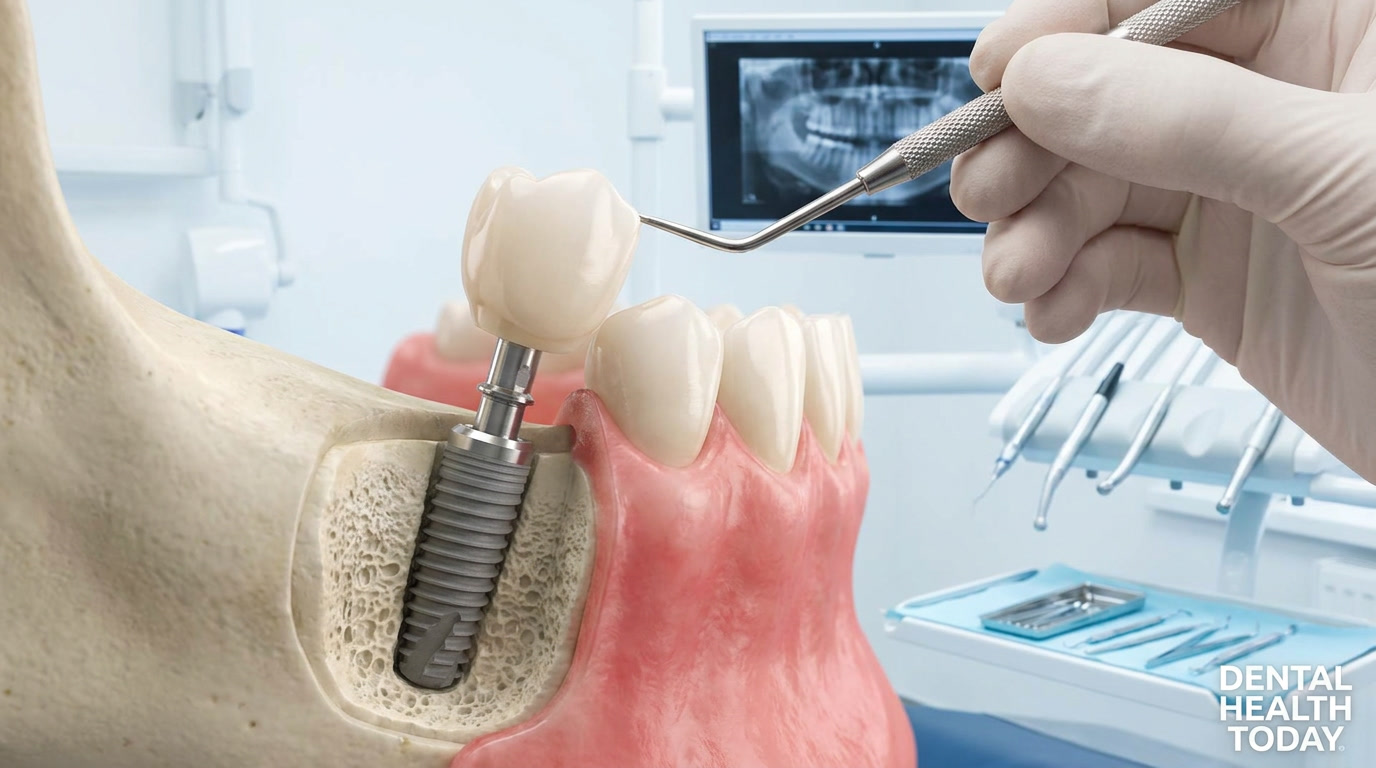
Most healthy adults with good oral hygiene and sufficient bone structure are candidates. Even if bone loss has occurred, procedures like bone grafting can make implants possible. Smokers or those with chronic conditions may need additional evaluation to ensure successful healing.
Aftercare and Maintenance
Dental Implants have a very good success rate in regions that have adequate native or augmented bone. However, there are some factors that can decrease the success of an implant, such as:
- Smoking
- Diabetes
- Immunodeficiency
- Bisphosphonate use
- Radiation therapy
- Poor oral hygiene
Recovery from 植牙 lasts a few days to a week, and involves minor pain and swelling. After one week, patients return to normal eating and speech routines. However, the full healing process could take three to six months, after which, a crown can be fabricated.
After the Dental Implants Surgery
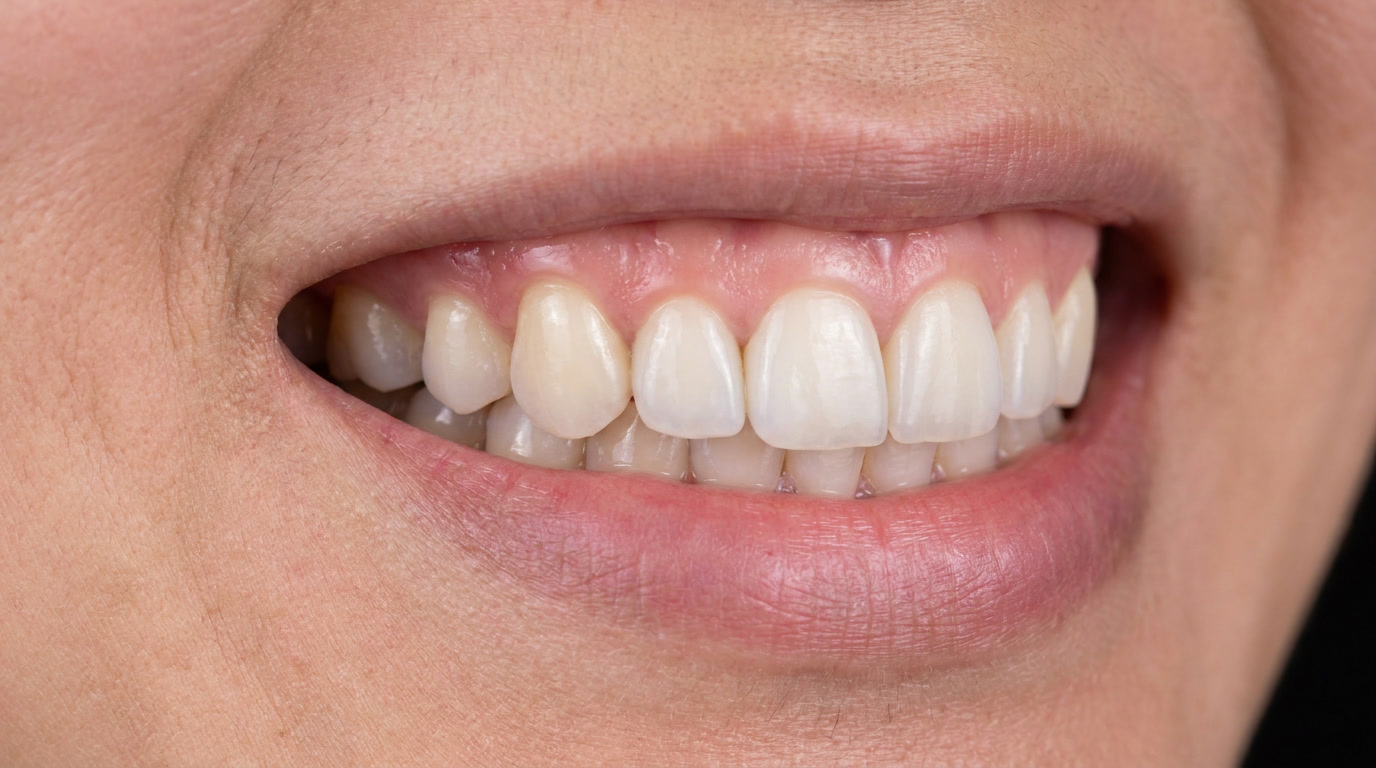
植牙 are more than just replacements for missing teeth, they are a permanent solution that restores comfort, function, and self-esteem.
If you’ve been considering dental implants, consult a qualified specialist to explore your options. Modern implant dentistry makes it easier than ever to reclaim even your dental formula .