
Regular Oral Examinations and Its Importance
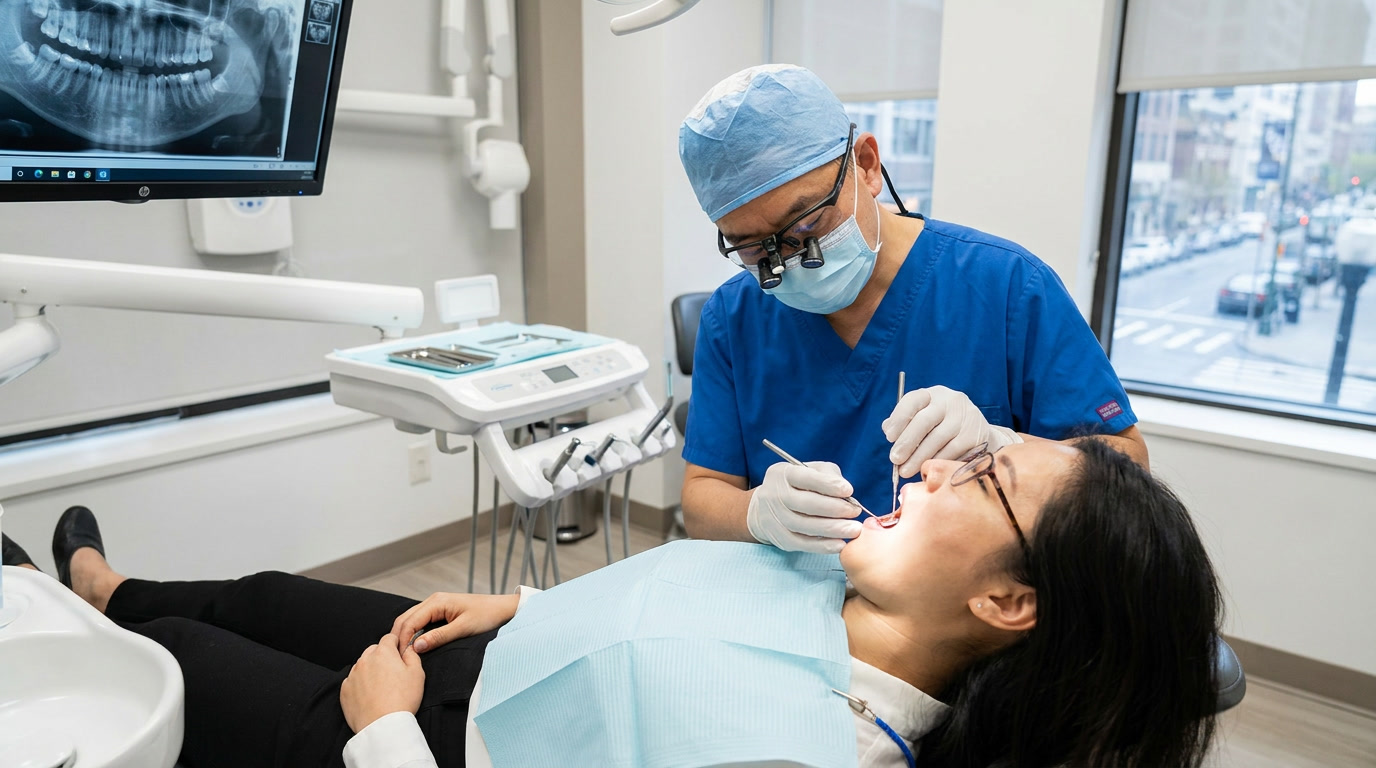
Your smile is more than just a reflection of confidence; it’s also an indicator of your overall oral health. Regular oral examinations play a vital role in preventing dental problems before they become serious, ensuring your teeth and gums remain strong and healthy for life.
Whether it’s a routine visit or a follow-up appointment, an oral examination helps your dentist monitor changes in your mouth, detect potential issues early, and guide you toward better oral hygiene habits. Here’s what happens during a dental exam and why it’s so important.
Understanding the Purpose of an Oral Examination
An oral examination, often called a dental exam or checkup, is a comprehensive evaluation of your mouth, teeth, and gums. It typically includes a professional cleaning, diagnostic X-rays (when needed), and an assessment of your oral tissues.
These exams help to:
- Remove plaque and tartar buildup that daily brushing might miss.
- Detects cavities, gum disease, and other oral health concerns early.
- Teach you effective ways to maintain healthy teeth and gums.
A healthy mouth contributes to more than just a great smile, it supports your overall well-being. Research shows that poor oral health can be linked to conditions such as heart disease, diabetes, and respiratory infections, making preventive dental care even more essential.
What Happens During an Oral Examination
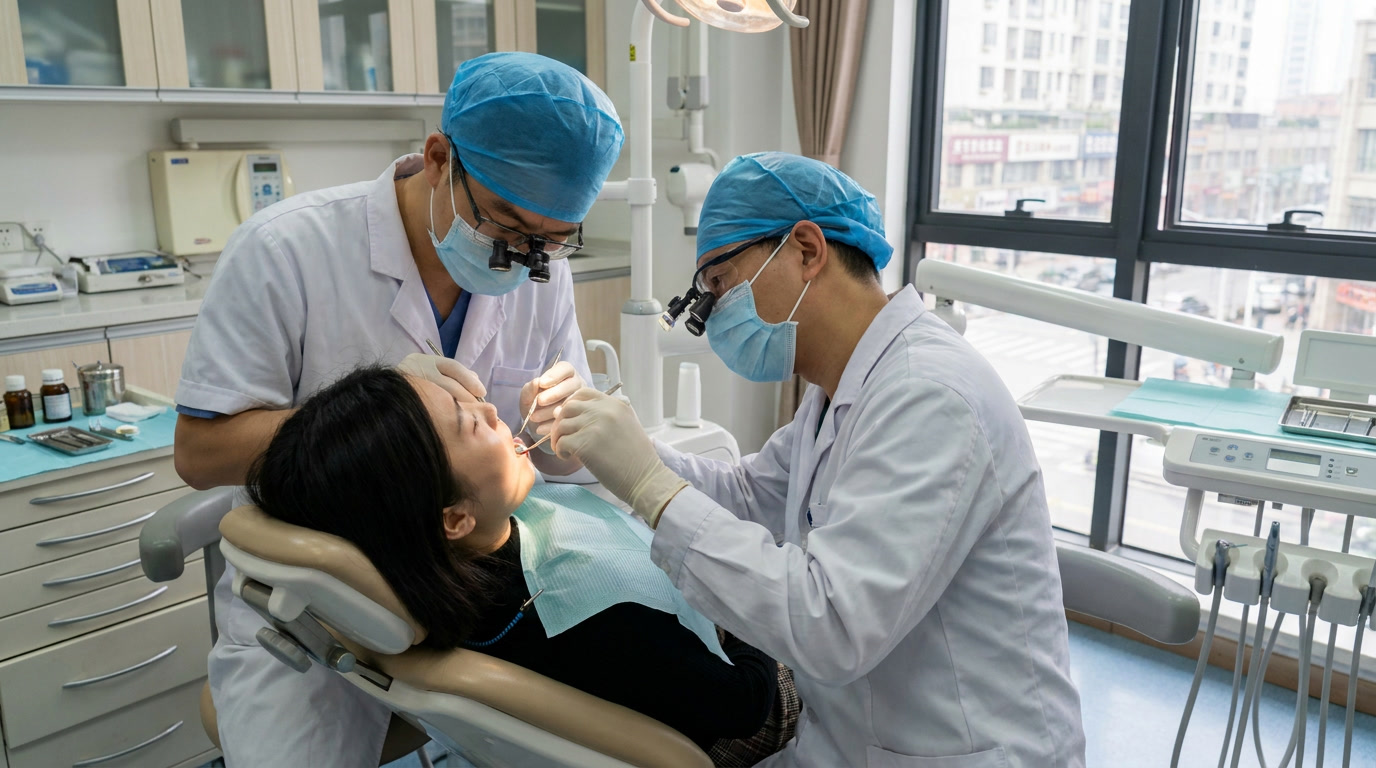
1. Reviewing Your Health and Dental History
Your visit begins with a discussion of your general and oral health background. Your dentist or hygienist will ask about any recent health changes, medications, or dental symptoms such as bleeding gums or tooth sensitivity. This information helps them understand your unique needs and risk factors.
2. Professional Cleaning and Scaling
The cleaning process, also known as scaling, removes plaque and tartar that build up along your gum line and between your teeth. Even with excellent brushing and flossing habits, some buildup is inevitable. Regular professional cleanings help prevent tooth decay and gum disease, two of the most common threats to oral health.
After scaling, your teeth are polished using a special paste and tool that smooths the enamel surface. This not only gives your teeth a brighter appearance but also helps reduce future plaque accumulation.
3. Preventive Treatments and Screenings
In some cases, your dentist may recommend digital X-rays to detect problems that can’t be seen during a visual exam. These X-rays are quick, safe, and crucial for spotting issues like hidden cavities, bone loss, or impacted teeth.
Children and teens may also receive fluoride treatments 或者 sealants during their exam. Fluoride strengthens tooth enamel, while sealants create a protective barrier on the chewing surfaces of back teeth to prevent cavities.
4. Comprehensive Dental and Oral Checkup
The dentist will carefully examine your teeth, gums, tongue, and inner cheeks for signs of decay, infection, or disease. They will assess your bite (how your teeth come together) and may gently check your jaw joints to ensure proper movement and alignment.
Your dentist also performs an oral cancer screening, which involves checking for unusual lumps, lesions, or discolorations around your mouth, lips, and neck. Early detection of oral abnormalities can make a significant difference in treatment outcomes.
Why Regular Oral Examinations Are Essential
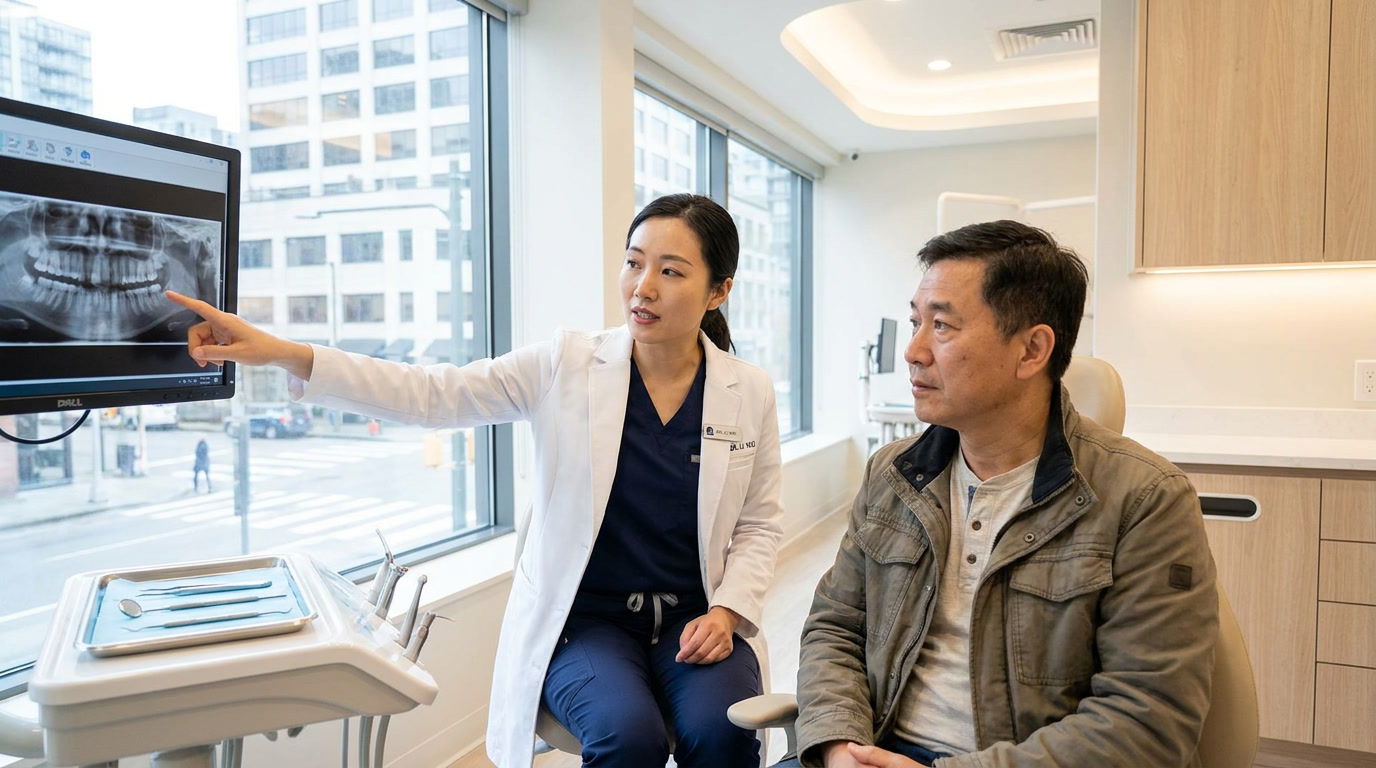
常規 oral examinations are key to maintaining good oral hygiene and preventing long-term damage. Visiting your dentist every six months (or as recommended) allows for early detection and treatment of issues before they progress.
You may need more frequent exams if you:
- Have gum disease or a history of cavities
- Smoke or use tobacco products
- Have medical conditions such as diabetes or heart disease
- Take medications that cause dry mouth
- Are pregnant, as hormonal changes can affect your gums
Skipping regular dental visits can allow small problems to develop into painful or costly complications. Preventive care saves time, money, and discomfort in the long run.
Maintaining Good Oral Health Between Exams
An effective oral care routine at home supports the benefits of your professional exams. Here are simple habits to keep your teeth and gums healthy:
- Brush twice daily using fluoride toothpaste and a soft-bristled toothbrush.
- Floss or use interdental cleaners to remove food particles between teeth.
- 每三到四個月更換一次牙刷。
- Eat a balanced diet rich in vitamins and minerals while limiting sugary foods and drinks.
- Drink plenty of fluoridated water.
- Avoid smoking or using tobacco products.
A regular oral examination is one of the best investments you can make in your overall oral health.