Teeth Cleaning: What to Expect During a Dental Cleaning Appointment
Many people feel nervous before visiting the dentist for a 洗牙, often because they are unsure of what the procedure involves.
Fortunately, a professional teeth cleaning is a simple, safe, and comfortable treatment that helps maintain excellent oral health while preventing common dental problems such as cavities and gum disease.
Even with regular brushing and flossing, plaque and tartar can build up in hard-to-reach areas of the mouth. A routine 牙齒清潔 removes these deposits and gives your dentist the opportunity to detect oral health concerns before they become more serious.
Why Professional Teeth Cleaning Matters
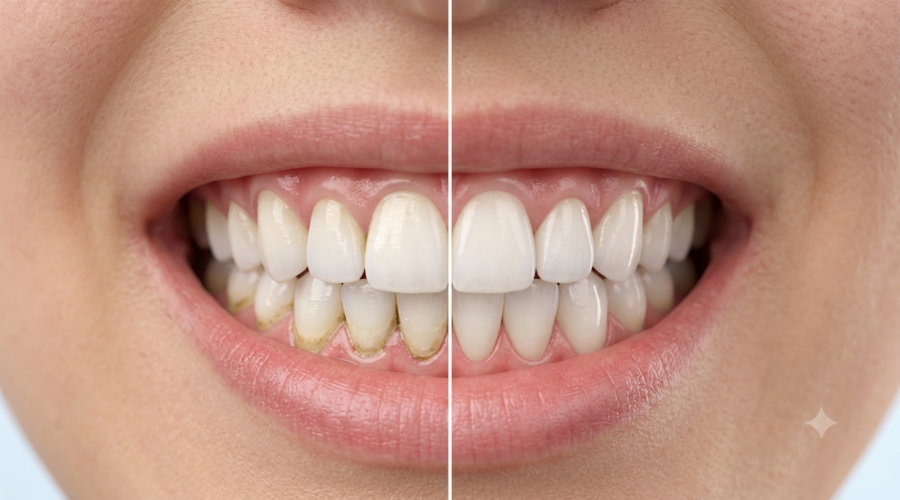
Daily oral hygiene is important, but it cannot remove hardened tartar once it forms. Professional cleanings help eliminate bacteria that contribute to tooth decay and gum disease while keeping your smile healthy and fresh.
Some of the main benefits of routine teeth cleaning include:
- Removes plaque and hardened tartar buildup.
- 有助於預防蛀牙和牙齒腐爛。
- Lowers the risk of gingivitis and periodontal disease.
- Freshens breath by reducing harmful bacteria.
- Removes minor surface stains for a cleaner smile.
- Supports overall oral and general health.
Regular cleanings also allow your dental team to monitor changes in your teeth and gums, making it easier to address problems early.
What Happens During a Teeth Cleaning?
A professional 洗牙 usually takes less than an hour and follows a series of carefully planned steps designed to leave your mouth clean and healthy.
- 牙科檢查
Before the cleaning begins, the dentist or dental hygienist examines your teeth and gums for signs of inflammation, cavities, or other oral health concerns. If any significant issues are identified, additional treatment may be recommended before continuing.
- Plaque and Tartar Removal
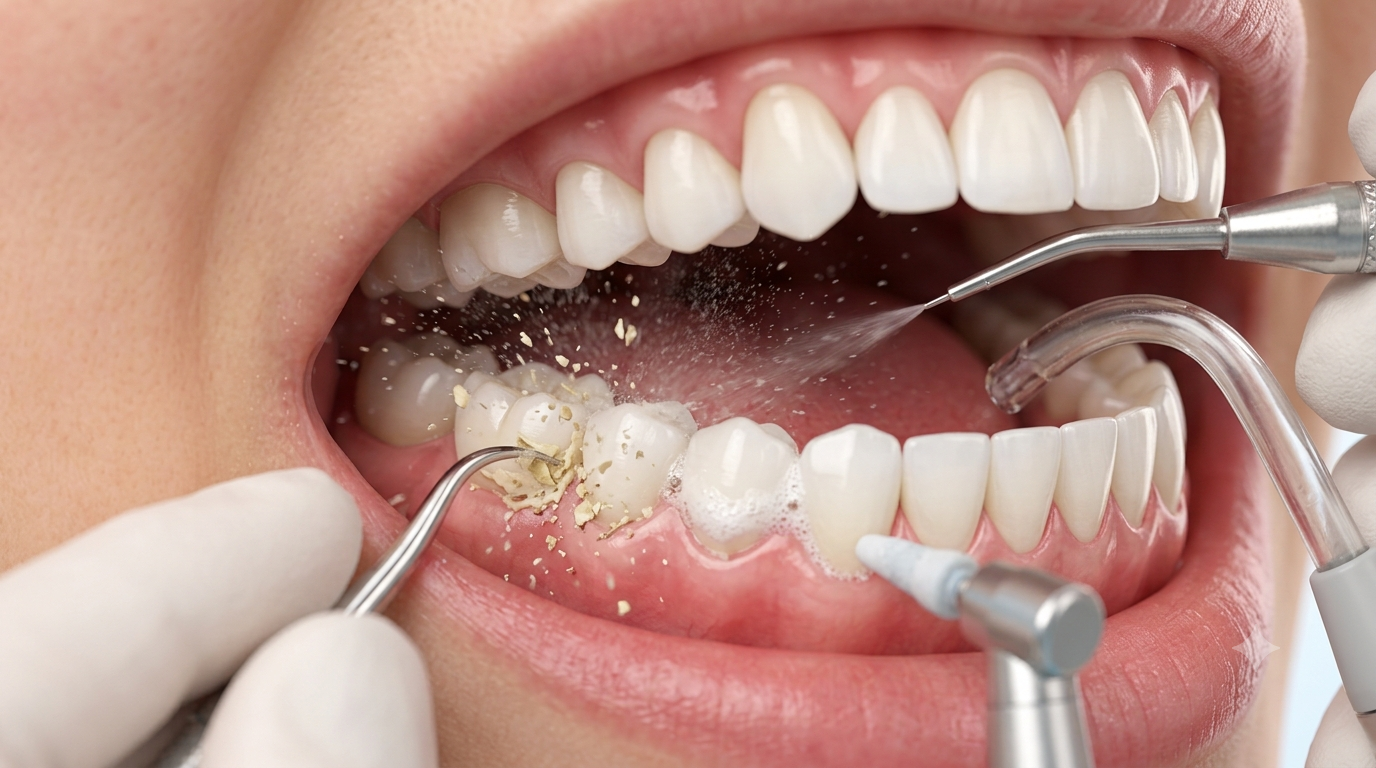
Using specialised dental instruments, plaque and hardened tartar are gently removed from the teeth and around the gumline. Since tartar cannot be removed with regular brushing, this step is one of the most valuable parts of a professional cleaning.
- Teeth Polishing
Once the teeth are free from tartar, they are polished using a professional polishing paste. This helps smooth the tooth surfaces, remove minor stains, and leave your teeth feeling exceptionally clean.
- Professional Flossing
Your dental hygienist carefully flosses between every tooth to remove any remaining debris while checking for areas where your gums may bleed or require extra attention.
- Fluoride Protection
Depending on your oral health needs, a fluoride treatment may be applied after the cleaning. Fluoride strengthens tooth enamel and provides additional protection against cavities, especially for patients at a higher risk of tooth decay.
How to Keep Your Teeth Clean Between Visits
Professional cleanings are most effective when supported by good daily oral hygiene habits.
To maintain a healthy smile:
- Brush twice a day using fluoride toothpaste.
- Floss every day to remove plaque between teeth.
- Limit sugary foods and acidic drinks.
- 全天都要喝大量的水。
- 每三到四個月更換一次牙刷。
- Visit your dentist every six months or as recommended.
These simple habits help reduce plaque buildup and make each professional cleaning easier and more effective.
Conclusion
常規 洗牙 is one of the most important aspects of preventive dental care.
Professional cleanings remove plaque and tartar that cannot be eliminated at home while helping to prevent cavities, gum disease, and other oral health issues. Combined with good brushing and flossing habits, regular 牙齒清潔 appointments will keep your teeth, gums, and smile healthy for years to come.