
Teeth Cleaning: Different Types of Dental Cleanings
Regular 洗牙 is one of the most effective ways to maintain a healthy smile and prevent serious dental problems.
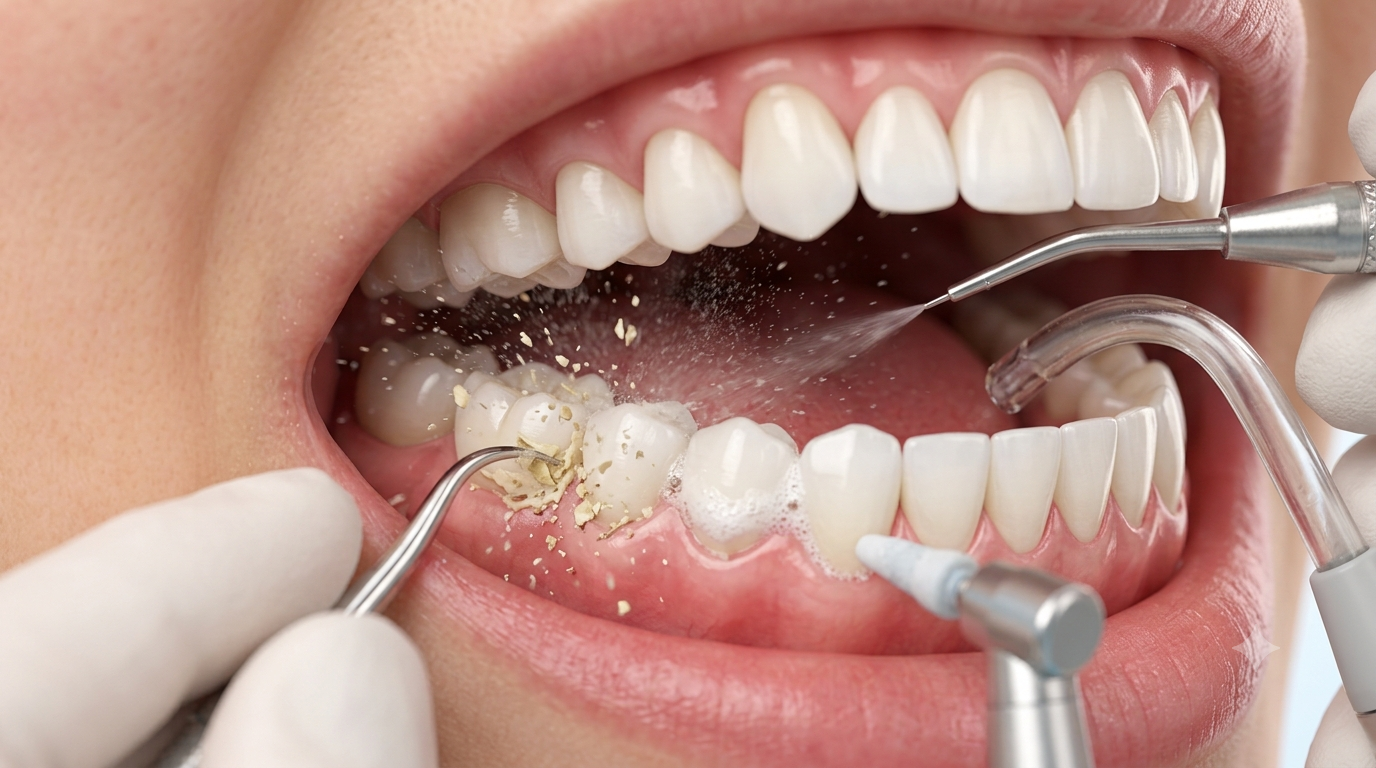
While brushing and flossing at home are essential, professional 牙齒清潔 removes plaque, tartar, and bacteria that daily oral care cannot eliminate. Depending on your oral health, your dentist may recommend different types of 洗牙 to keep your teeth and gums in excellent condition.
Knowing which cleaning is right for you can help you better understand your treatment plan and the importance of preventive dental care.
Why Professional Teeth Cleaning Is Important
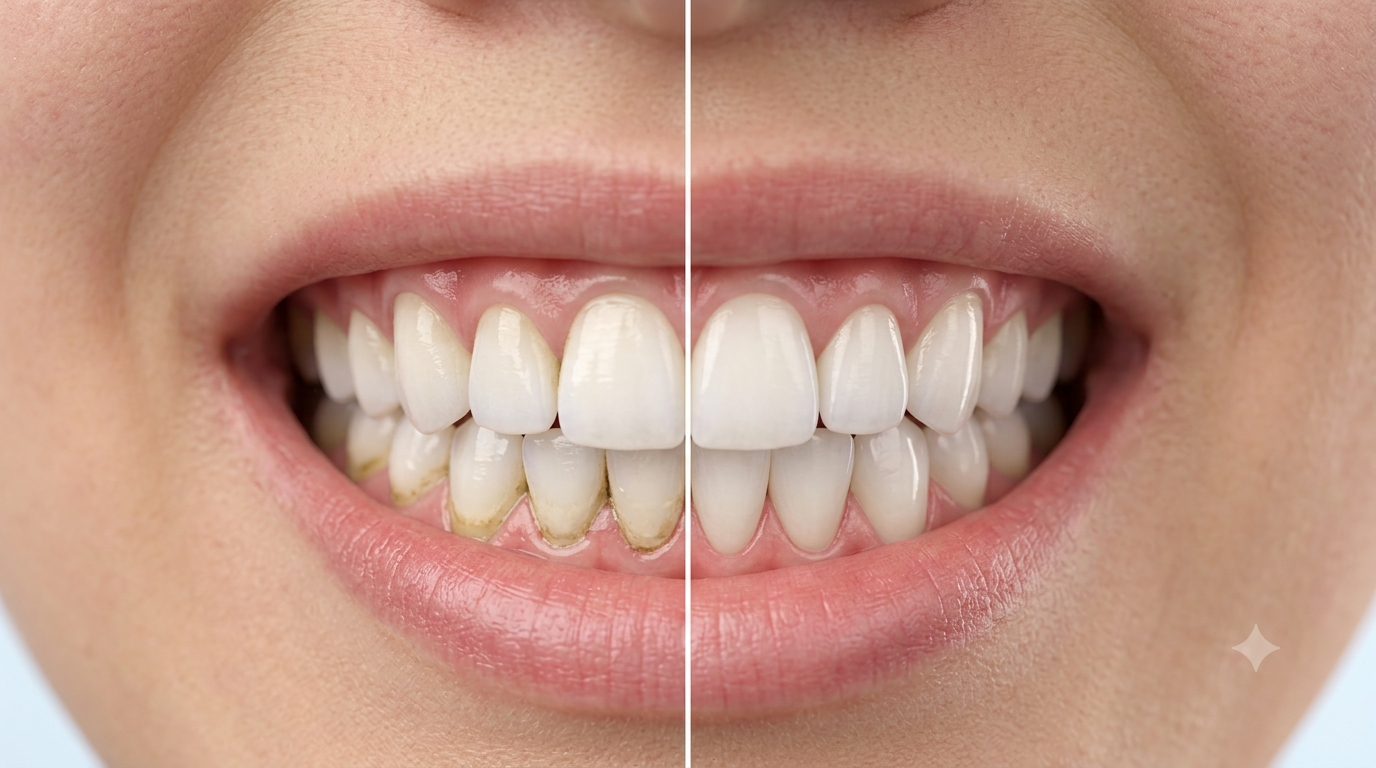
Plaque is a sticky layer of bacteria that forms on your teeth every day. If it isn’t removed through proper brushing and flossing, it hardens into tartar, which can only be removed by a dental professional. Regular professional teeth cleaning helps reduce the risk of cavities, gum disease, and bad breath while keeping your smile looking its best.
Routine cleanings also allow your dentist to monitor your oral health and identify potential concerns before they require more complex treatment.
Types of Teeth Cleaning
Not every patient requires the same type of cleaning. Your dentist will recommend the most suitable option after examining your teeth and gums.
- Routine Dental Cleaning
This is the most common type of 洗牙 for patients with healthy teeth and gums. It focuses on removing plaque, tartar, and minor surface stains to maintain good oral health.
A routine cleaning typically helps:
- Remove everyday plaque buildup.
- Prevent tooth decay and gum disease.
- Polish teeth for a cleaner appearance.
- Maintain fresh breath.
- Deep Teeth Cleaning
If plaque and tartar have collected below the gumline, your dentist may recommend a deep cleaning. This treatment targets bacteria beneath the gums and helps manage the early stages of gum disease.
Deep cleaning may include:
- Removing plaque and tartar from below the gums.
- Cleaning the tooth roots.
- Smoothing root surfaces to encourage gum healing.
- Reducing pockets where bacteria collect.
- Gross Debridement Cleaning
Patients who have not visited the dentist for an extended period may develop heavy tartar deposits that make it difficult to properly examine the teeth.
Gross debridement is designed to:
- Remove large amounts of hardened plaque.
- Improve visibility for a complete dental examination.
- Prepare the teeth for a routine cleaning if needed.
Once the buildup has been removed, your dentist can better evaluate your overall oral health.
- Periodontal Maintenance Cleaning
Patients who have previously been treated for gum disease often require ongoing periodontal maintenance to prevent the condition from returning.
This type of maintenance helps:
- Control harmful bacteria.
- Reduce the risk of gum disease progression.
- Maintain healthy gums after periodontal treatment.
- Support long-term oral health.
Your dentist will determine how frequently these maintenance visits should be scheduled based on your individual needs.
How to Maintain Your Teeth Between Cleanings
專業的 洗牙 works best when combined with a consistent home care routine.
For healthier teeth and gums:
- Brush twice daily with fluoride toothpaste.
- Floss every day to remove plaque between teeth.
- Limit sugary foods and acidic drinks.
- 全天都要喝大量的水。
- Visit your dentist every six months or as recommended.
These simple habits help extend the benefits of your professional cleaning and reduce future dental problems.
專業的 洗牙 is more than a routine dental appointment—it’s an essential part of protecting your oral health.