杜牙根
A Root Canal is one of the most effective treatments for restoring a tooth that has been damaged by deep decay, cracks, or infection. While many people associate root canals with pain, the procedure itself is designed to relieve discomfort and save a tooth that might otherwise need to be removed.
Why Root Canal Treatment Is Needed
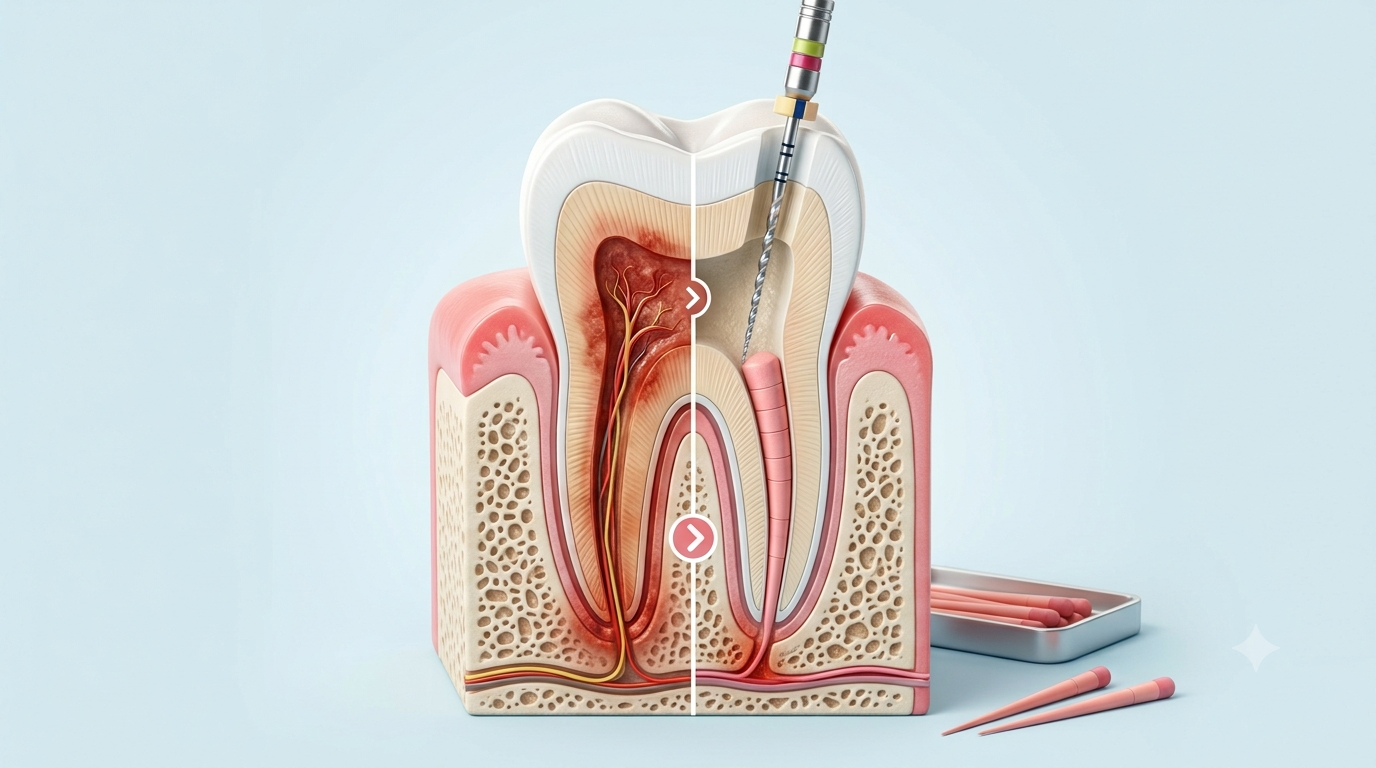
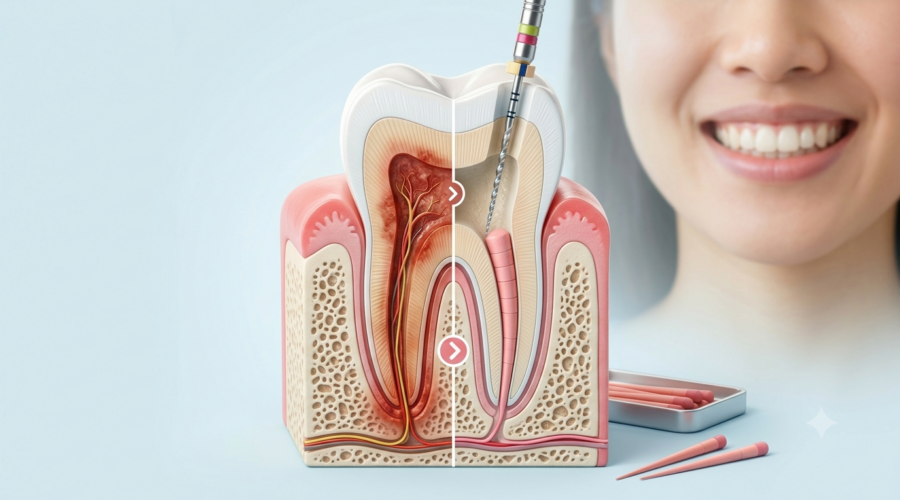
Inside every tooth is a soft tissue called the pulp. This tissue contains blood vessels and nerves that keep the tooth alive. When bacteria reach the pulp—usually from untreated cavities or through cracks—an infection can develop. If left untreated, this infection can spread, cause intense pain, and eventually damage the bone around the tooth.
Common signs that you may need a root canal include:
- A pimple-like bump or boil on the gums
- Swelling in the gums or jaw
- Pain when chewing or touching the tooth
- A darkened or discolored tooth
- Sensitivity to hot or cold
- A tooth that feels loose
If you experience any of these symptoms, seeking dental care quickly can prevent complications and help save your natural tooth.
How Root Canal Procedures Work
Root canal therapy involves treating the inside of the tooth to eliminate bacteria and protect it from future infection. Your dentist or endodontist will begin by examining the tooth with X-rays and tests to determine if the pulp is infected or inflamed. Once confirmed, the procedure usually follows these steps:
- Numbing the affected area so you remain comfortable throughout the appointment.
- Placing a dental dam to keep the tooth clean and isolated.
- Making a small opening in the tooth to access the pulp chamber.
- Removing infected or dead pulp tissue using specialized instruments.
- Cleaning and disinfecting the canals to eliminate bacteria.
- Filling the canals with a rubber-like material to seal them.
- Placing a temporary filling until a permanent restoration is ready.
- Completing treatment with a dental crown, which protects the tooth and restores normal function.
The procedure typically takes 60–90 minutes, though complicated cases or teeth with multiple roots may require additional visits.
Benefits of Root Canal Therapy
Root canal treatment is highly successful and remains one of the best ways to preserve natural teeth. Key advantages include:
- Eliminating infection and preventing it from spreading
- Relieving pain and discomfort caused by inflammation
- Restoring chewing ability and bite strength
- Preventing the need for tooth extraction
- Maintaining your natural smile
Most treated teeth can last a lifetime with proper care.
Possible Risks and Alternatives
Although root canals are reliable, some teeth may not heal if the infection is too advanced or if the structure is severely damaged. In such cases, your dentist may recommend:
- Re-treatment of the tooth
- Extraction followed by a dental implant or bridge
These situations are rare, especially when treatment is done early.
Recovering After a Root Canal
Healing after a root canal is usually fast and manageable. Most people feel better within a few days. Mild sensitivity is normal, but severe pain is not.
To support recovery:
- Avoid chewing on the treated tooth until the crown is placed
- Brush and floss regularly
- Use antibacterial mouthwash
- Choose soft foods for the first 1–2 days
- Avoid smoking, as it slows healing
If pain worsens or persists, your dentist may need to reassess the tooth.
When to Seek Help
If you have ongoing toothaches, swelling, or discomfort when eating, you may be dealing with an infected tooth. These infections won’t resolve on their own, and delaying treatment can lead to more serious complications. Root canal therapy is a safe, modern procedure that restores your comfort and keeps your smile intact.