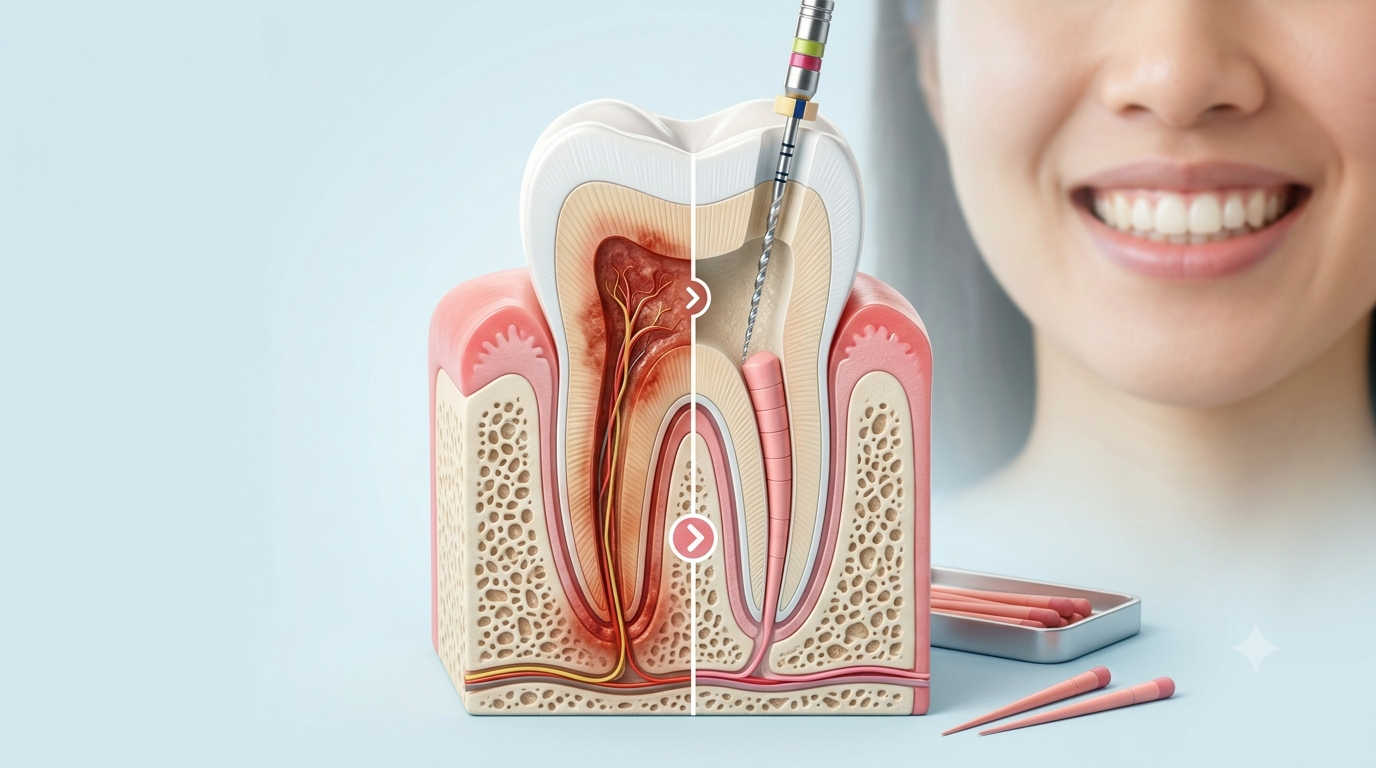
Root Canal Treatment: What It Is, Why It’s Done, and What to Expect
一個 杜牙根 is one of the most reliable ways to treat an infected or inflamed tooth without removing it. Instead of extracting the tooth, the dentist removes the damaged pulp inside, cleans the root canals thoroughly, and seals them to prevent future infection. This procedure is designed to save your natural tooth, stop pain at its source, and restore normal function.
How Root Canal Treatment Works
Inside every tooth is a soft inner tissue called the pulp. It contains nerves, blood vessels, and connective tissues that helped form your tooth while it developed. Once a tooth is fully grown, it can survive without the pulp because it continues to receive nourishment from surrounding tissues.
When bacteria enter the pulp—often due to deep decay, cracks, injury, or old dental work—an infection develops. If this isn’t treated, it may lead to an abscess, bone damage, swelling, and severe pain. This is when a Root Canal becomes necessary.
During the procedure, the dentist creates a small opening in the tooth, removes the infected pulp, cleans the inside thoroughly, and fills the root canals with a safe, rubber-like material. The tooth is then sealed and later restored with a filling or crown.
Thanks to modern anesthesia and advanced techniques, a Root Canal is usually no more uncomfortable than getting a regular filling. Many people feel relief immediately after treatment because the source of pain has been eliminated.
Signs You May Need a Root Canal
Several symptoms may indicate a problem within the pulp. Common warning signs include:
- Sharp or persistent pain when biting
- Sensitivity to hot or cold that lingers
- Swelling or tenderness in the gums
- A cracked or chipped tooth
- Darkening of the tooth
- Pimples or bumps on the gums
- Deep decay that reaches the pulp
These symptoms don’t always appear at the same time, but experiencing any of them is a good reason to schedule a dental evaluation.
Why Keeping Your Natural Tooth Matters
Choosing a Root Canal instead of extraction comes with important benefits. Saving the natural tooth helps maintain:
- A natural biting and chewing sensation
- Proper alignment of surrounding teeth
- Your smile’s appearance
- Normal speech patterns
- Less long-term dental work
Extraction often requires replacement with an implant or bridge, which can be more costly and time-consuming. In comparison, Root Canal treatment is usually less expensive and keeps your real tooth in place.
After Treatment
Most people return to their regular activities the same day. Your mouth may feel numb for a few hours, so you’ll want to wait before eating. Mild tenderness is normal and usually manageable with over-the-counter pain relievers.
Once the permanent crown or filling is placed, the tooth functions like any other in your mouth. With good oral hygiene—brushing, flossing, and routine checkups—a tooth that has had Root Canal Treatment can last many years, often a lifetime.
Cost of a Root Canal
The cost varies depending on the tooth’s location and the complexity of the infection. Molars tend to require more time and skill because they have multiple canals.
When compared to the cost of tooth extraction plus an implant or bridge, a Root Canal is typically the more cost-effective option.