
Periodontics: Why Gum Health Matters More Than You Think
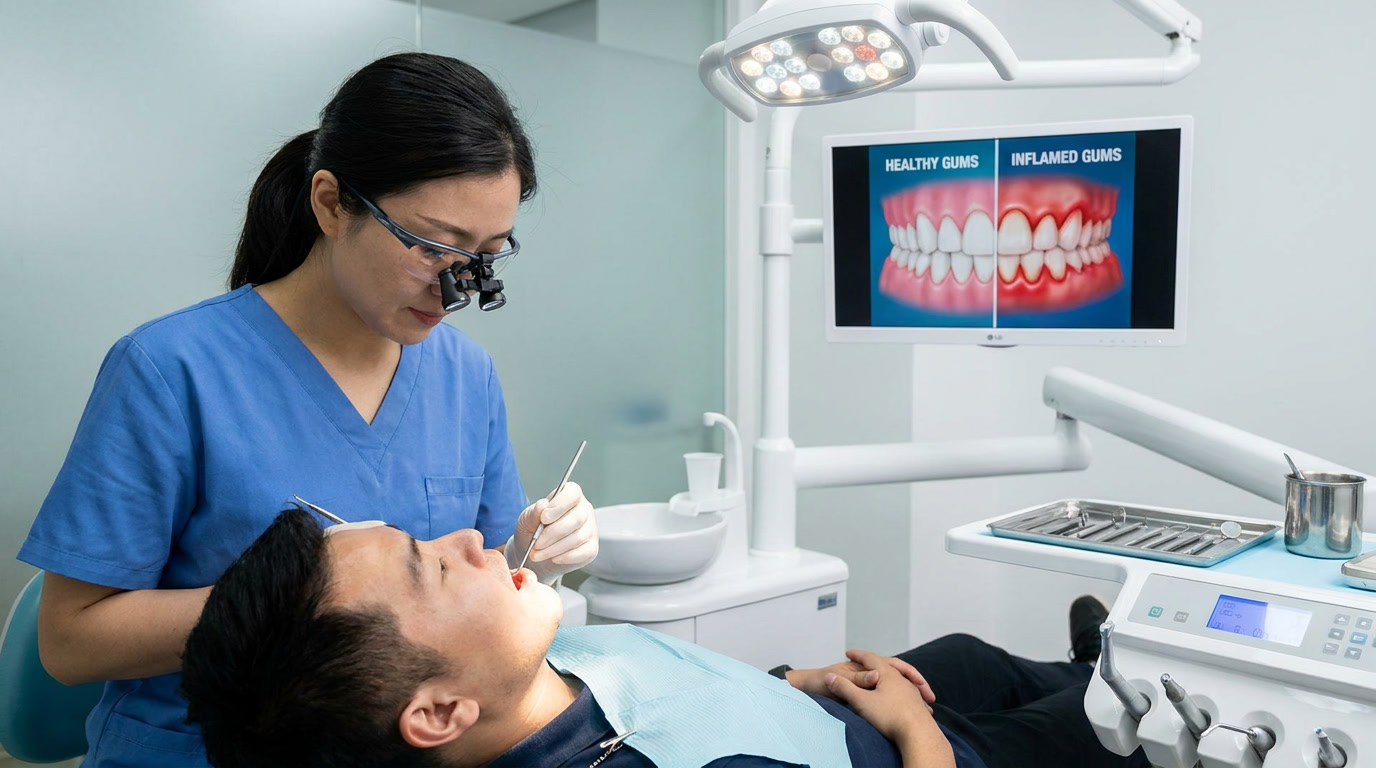
Periodontal disease is one of the most common yet overlooked oral health concerns today. Even if your regular dental check-up shows no major problems, you may still be developing this condition without realizing it. Research shows that nearly half of adults in the United States live with some form of periodontal disease, and many remain unaware until it becomes severe. This is where periodontics—the dental specialty focused on the structures surrounding the teeth—plays a crucial role.
What Exactly Is Periodontal Disease?
Periodontal disease is an infection that affects the gums and the tissues that support your teeth. While many people casually refer to it as gum disease, the condition can progress far beyond the gums. In advanced stages, it can impact the tooth roots, the periodontal ligament, and even the jawbone.
The disease typically starts with plaque buildup. When plaque is not removed, it hardens into tartar, creating the perfect environment for bacteria to thrive. The earliest stage of periodontal disease is gingivitis, a mild but treatable inflammation of the gums. If neglected, gingivitis progresses into periodontitis, a more serious condition where bacteria settle beneath the gumline, causing tissue damage, bone loss, and eventually tooth loss.
Scientists continue to uncover links between periodontal disease and systemic health problems such as diabetes, heart disease, respiratory infections, and even certain types of cancer. This makes the field of periodontics vital not only for oral health but for overall wellness.
Signs You May Need Periodontal Care
Periodontal issues often develop quietly, but there are warning signs to look out for:
- Gums that are red, swollen, or tender
- Bleeding when brushing or flossing
- Gum recession or teeth that appear longer
- Loose or shifting teeth
- Persistent bad breath
- Pain or discomfort when chewing
- Changes in how your bite feels
If any of these symptoms sound familiar, it may be time to visit a specialist in periodontics.
What Is a Periodontist?
一個 periodontist is a dentist who specializes in preventing, diagnosing, and treating periodontal disease. Their training goes beyond general dentistry, with an additional three years focused specifically on the gums, bone structures, and tissues supporting the teeth.
Periodontists are also highly skilled in placing dental implants and managing oral inflammation. Because they understand both the hard and soft tissues in the mouth, they are uniquely qualified to provide comprehensive care for gum-related conditions.
Common Periodontal Treatments
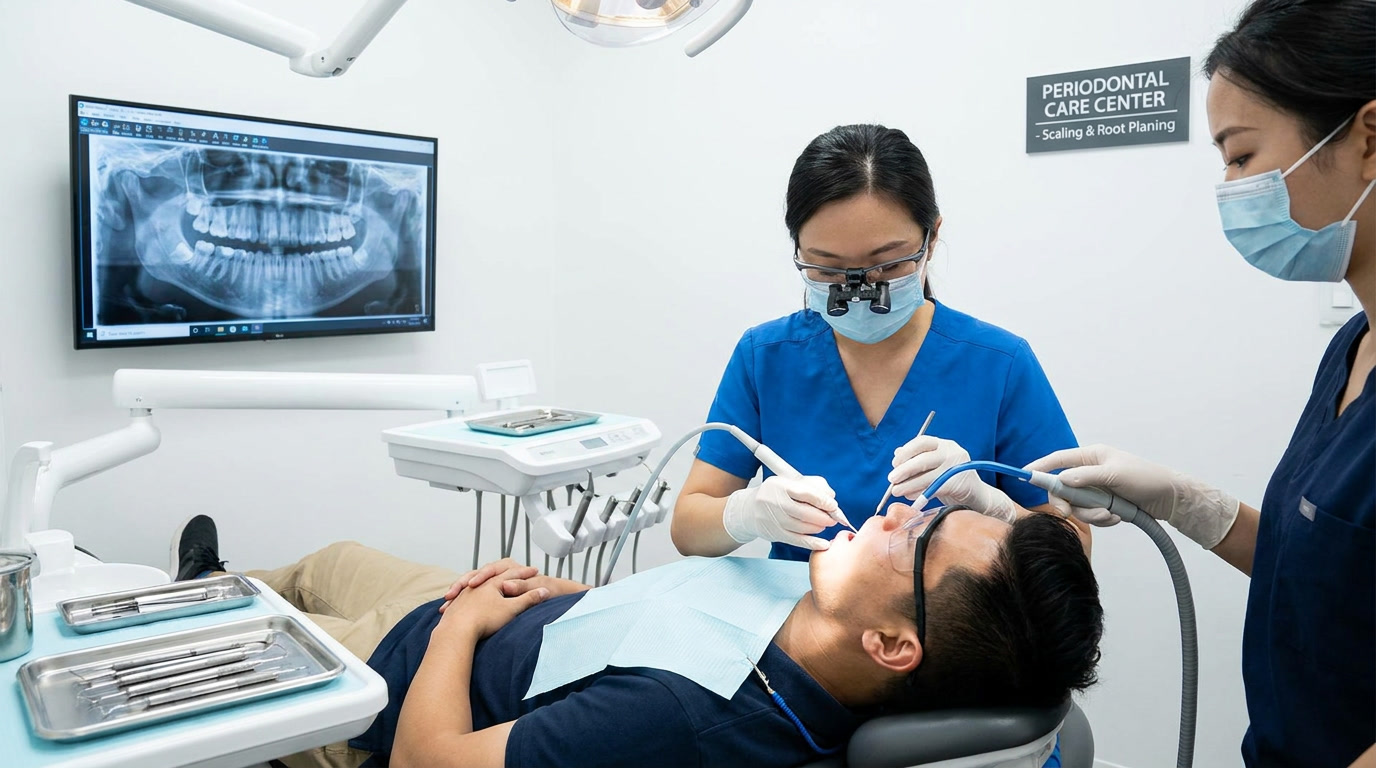
Periodontics offers a wide range of treatments designed to restore gum health and preserve natural teeth. These include:
1. Scaling and Root Planing
Often called deep cleaning, this procedure removes tartar from below the gumline and smooths the root surfaces to help the gums reattach to the teeth.
2. Root Surface Debridement
Another form of deep cleaning, this targets bacterial buildup inside periodontal pockets to stop infection from spreading.
3. Treatment for Oral Inflammation
Periodontists may prescribe topical or oral antibiotics, special mouth rinses, or gels to control infection and inflammation.
4. Surgical Procedures
In more advanced cases, procedures such as gum grafts, bone grafts, and pocket reduction surgery may be needed to rebuild and protect the teeth’s supporting structures.
5. Dental Implants
While implant dentistry overlaps with prosthodontics, periodontists are often preferred due to their deep understanding of gum and bone health.
Invest in Your Gum Health
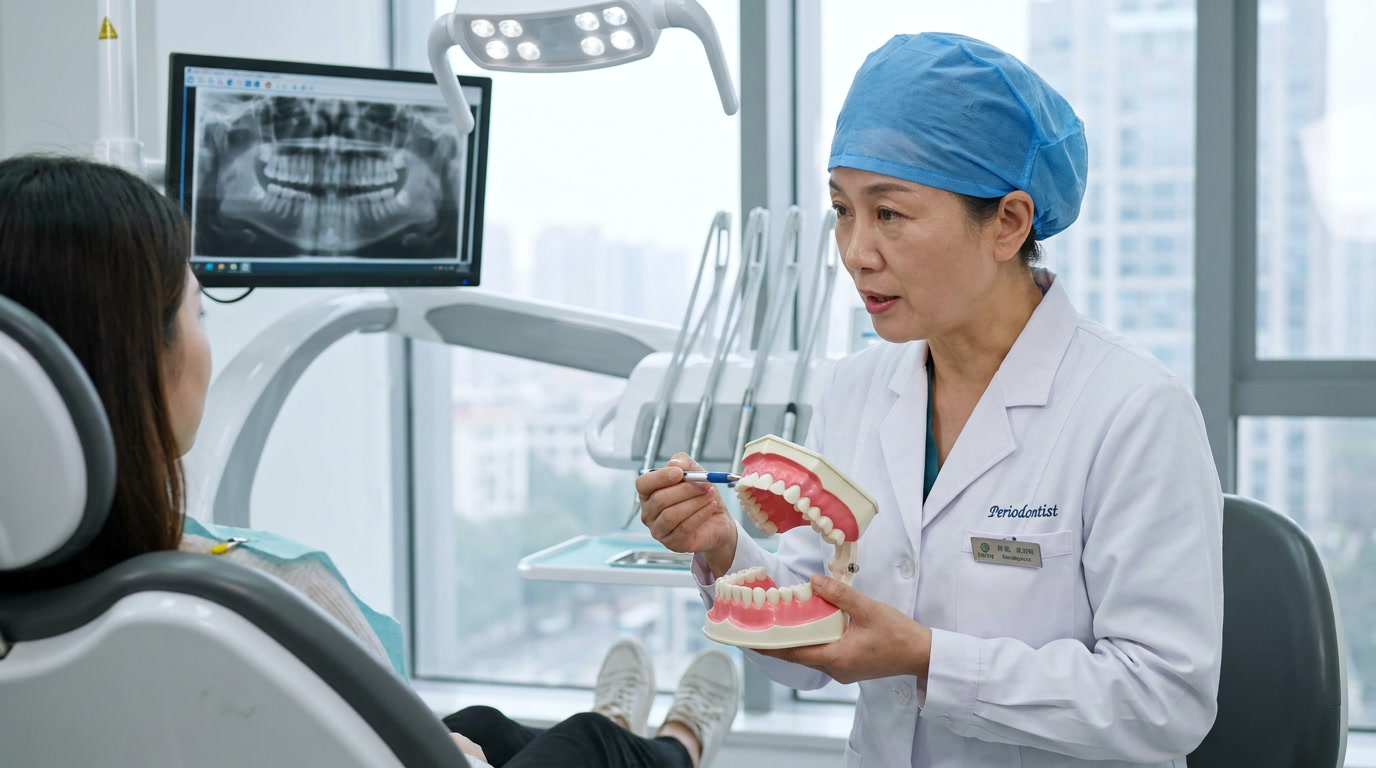
Periodontics plays a central role in maintaining a healthy smile and preventing long-term complications. Early diagnosis and treatment can save your gums, preserve your teeth, and protect your overall health. If you’ve been noticing changes in your gums or experiencing discomfort, don’t wait—seeking professional periodontal care could make all the difference.