
Periodontal Surgery and Healthy Gums
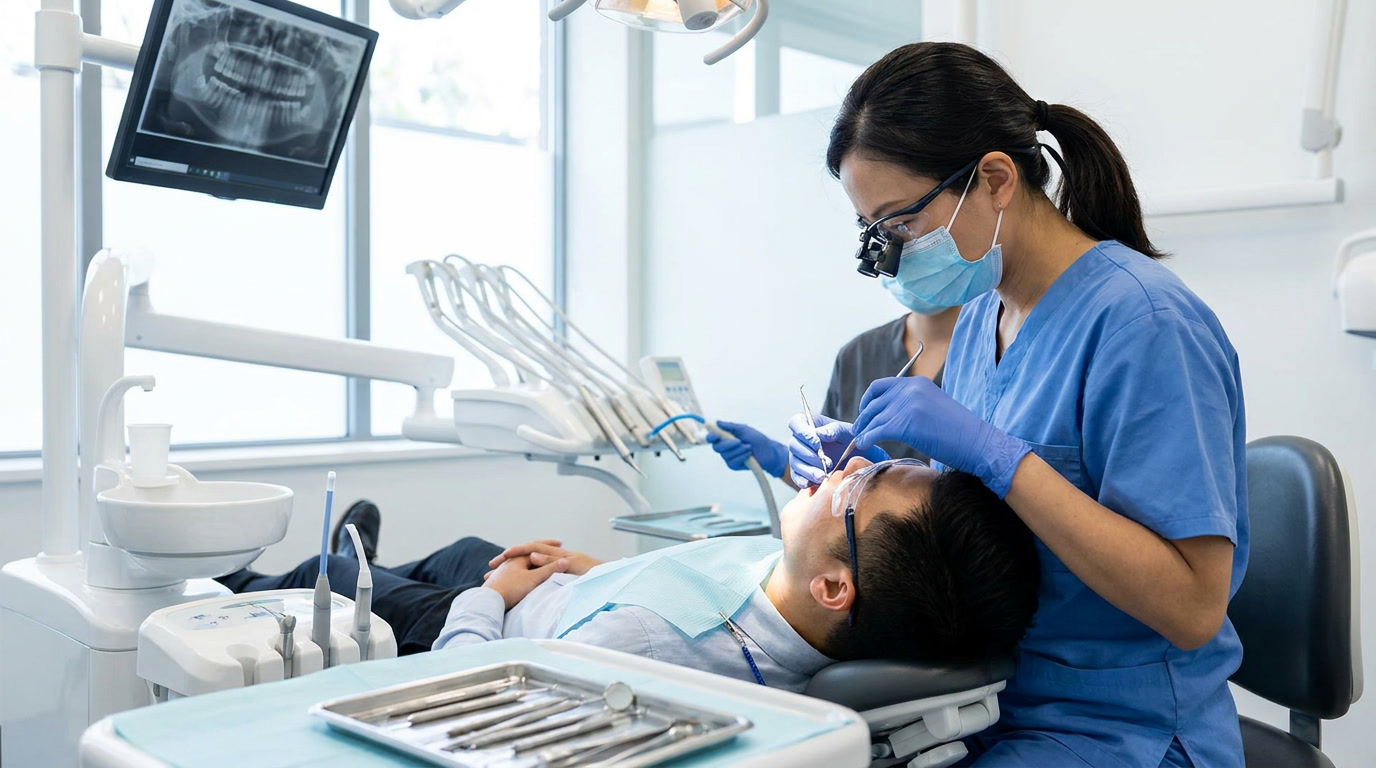
Periodontics is a vital specialty in dentistry that focuses on treating and restoring the health of the tissues that support your teeth, mainly the gums, bone, and connective structures known as the periodontium. When these tissues are affected by periodontal disease, the damage can progress quietly and eventually lead to tooth loss, discomfort, and changes in your overall oral health. This is where periodontal surgery and other treatments come in to restore stability and protect your smile.
Why Does Periodontal Disease Require Specialist Care?
Periodontal disease is a chronic inflammatory condition caused by harmful bacteria in the mouth. If untreated, it breaks down the bone and soft tissues that hold your teeth in place. While early stages can be managed with non-surgical treatments like scaling and root planing, more advanced cases often need specialized periodontal care.
In Periodontics, treatment typically begins with non-surgical therapy. Scaling and root planing reduce bacteria beneath the gumline, while good oral hygiene at home helps maintain these results. After the initial therapy, periodontal re-evaluation is done in about 6–8 weeks. If deep pockets and inflammation persist, periodontal surgery may be recommended to prevent further tissue destruction.
Understanding Bone Defects in Periodontics
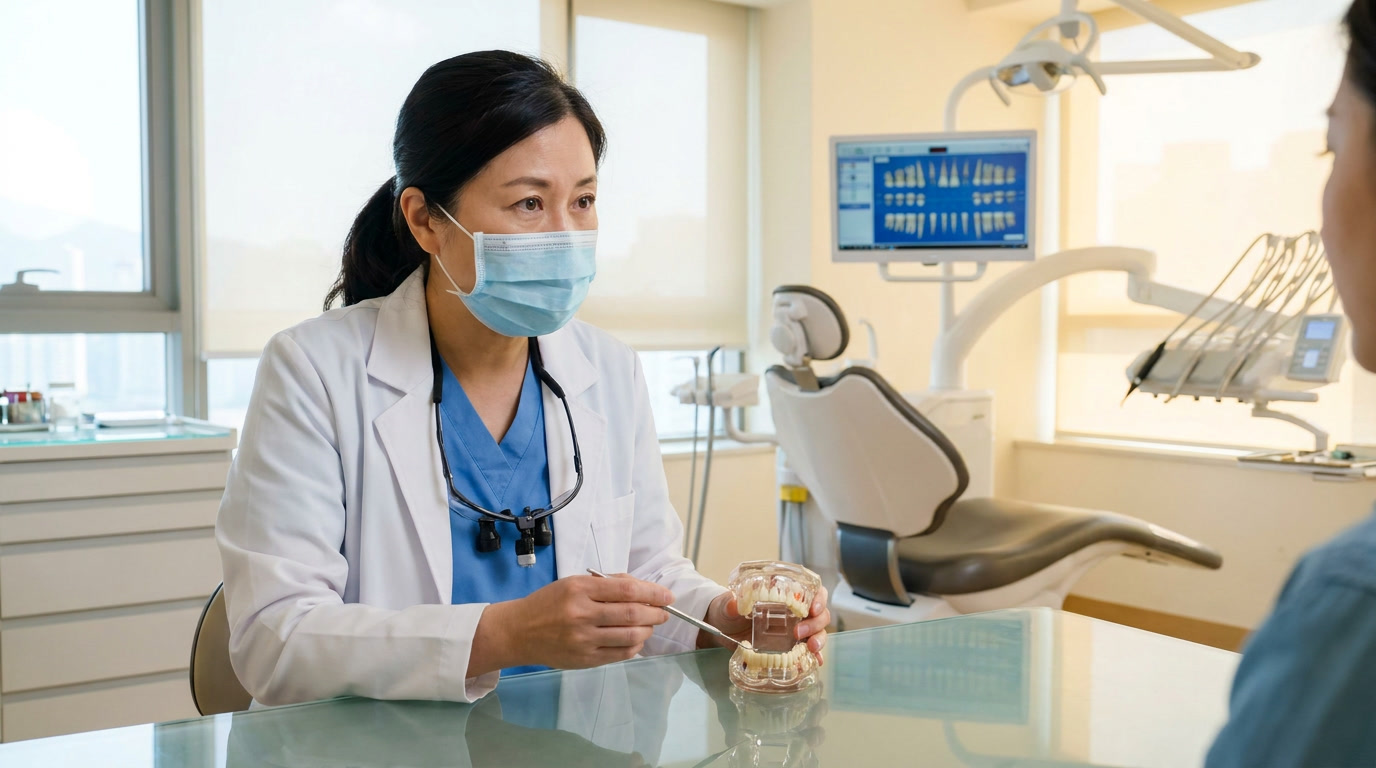
Bone loss around the teeth happens in different forms, and understanding these patterns helps the periodontist determine the best treatment. Bone loss may appear horizontal (a general lowering of bone height) or vertical (deep, angular defects near a tooth). The number of remaining bone walls affects the potential for regeneration — deeper, well-contained defects often respond better to regenerative periodontal treatment.
When Is Periodontal Surgery Needed?
Periodontal surgery is typically advised when deep pockets remain after non-surgical therapy. These pockets make it difficult to clean bacteria thoroughly, which increases the risk of ongoing damage. Common surgical procedures in Periodontics include:
1. Gingivectomy
Used when thick gum tissue creates false pockets. Excess tissue is removed to eliminate pocketing and make it easier to maintain gum health.
2. Gingival Flap Surgery
Also known as open flap debridement, this procedure allows the periodontist to lift the gum tissue, clean the root surfaces, and reduce pocket depth. Variations like the modified Widman flap minimize tissue removal while improving access for cleaning.
3. Osseous Surgery
Performed when bone defects are shallow or irregular. The bone is reshaped to create a healthier architecture and support the gums. Although effective, it may lead to some recession.
4. Regenerative Procedures
These treatments aim to rebuild lost bone and tissue. Techniques may involve bone grafts, guided tissue regeneration membranes, and biologic materials designed to stimulate natural healing.
5. Mucogingival Surgery
For issues like gum recession, procedures such as connective tissue grafts, free gingival grafts, or pedicle flaps may be used to restore gum coverage and increase keratinized tissue.
What Happens During Periodontal Surgery?
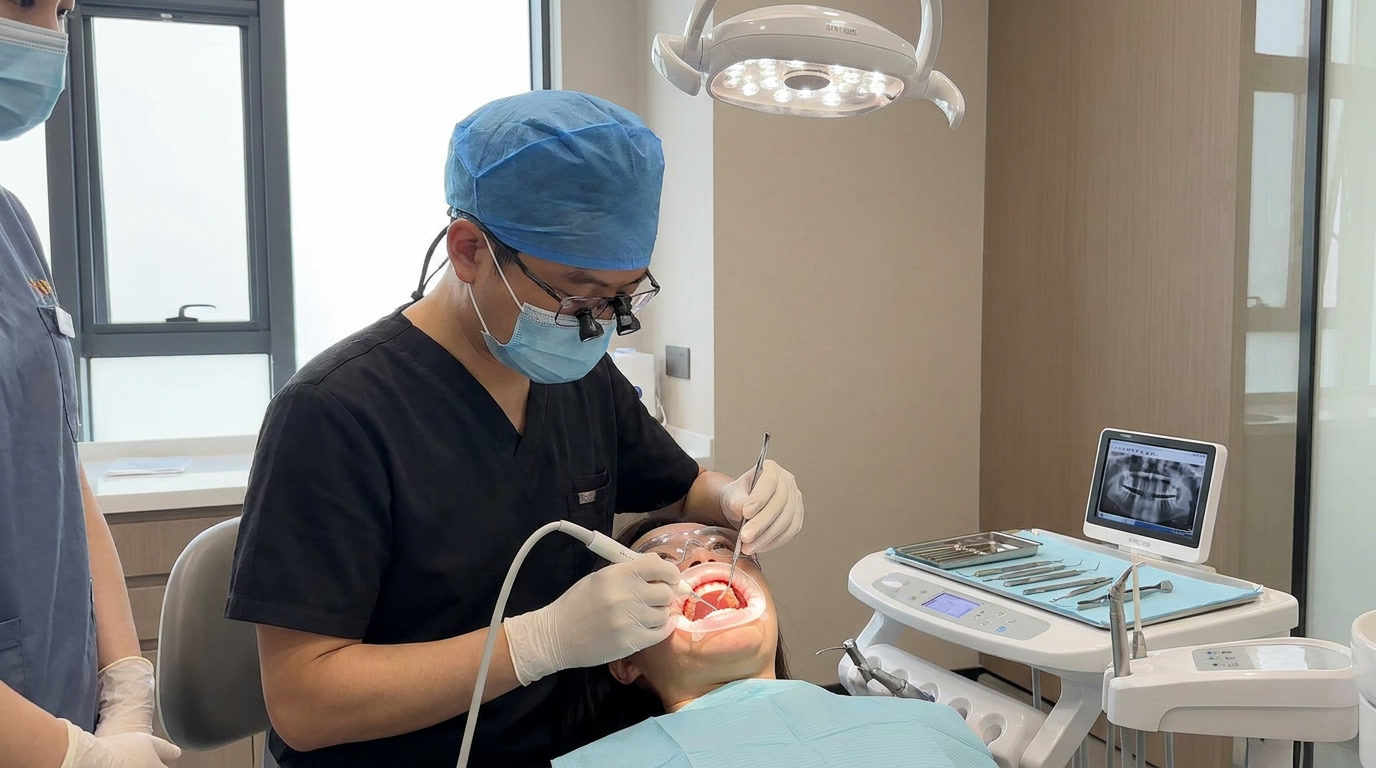
Most periodontal surgeries are performed under local anesthesia for comfort. The periodontist may recommend sedation for patients who feel anxious. Depending on the procedure, the surgery may involve lifting the gums, reshaping bone, placing grafts, or repositioning tissues for improved long-term stability.
Possible Complications and What to Expect After Treatment
After periodontal surgery, mild discomfort, swelling, or sensitivity may occur. Most symptoms are manageable with pain medication and proper post-operative instructions. While gum recession or temporary sensitivity can result from surgery, these outcomes are expected and can be managed with good oral care and follow-up visits.
Why Periodontics Matters
Effective periodontal treatment helps reduce the risk of tooth loss, improves gum health, and can even influence overall wellness, including conditions like diabetes and cardiovascular disease. With early detection and timely referral to a periodontist, patients can avoid advanced complications and preserve their natural teeth longer.