Laser Dentistry: Transforming Dental Care
Since the mid-1990s, lasers have become a valuable tool in dental care, offering precision and efficiency for a range of oral treatments. While lasers have received approval from the FDA for multiple dental applications, they have not yet been awarded the American Dental Association (ADA) Seal of Acceptance as a full alternative to traditional methods.
This seal verifies that a device meets ADA standards for safety and effectiveness. Despite this, the ADA acknowledges the potential of laser technology in dentistry and remains cautiously optimistic about its role in modern dental practices. It is important to note that dental lasers differ from cold lasers used in therapies for pain relief, headaches, or inflammation.
Applications of Laser Dentistry
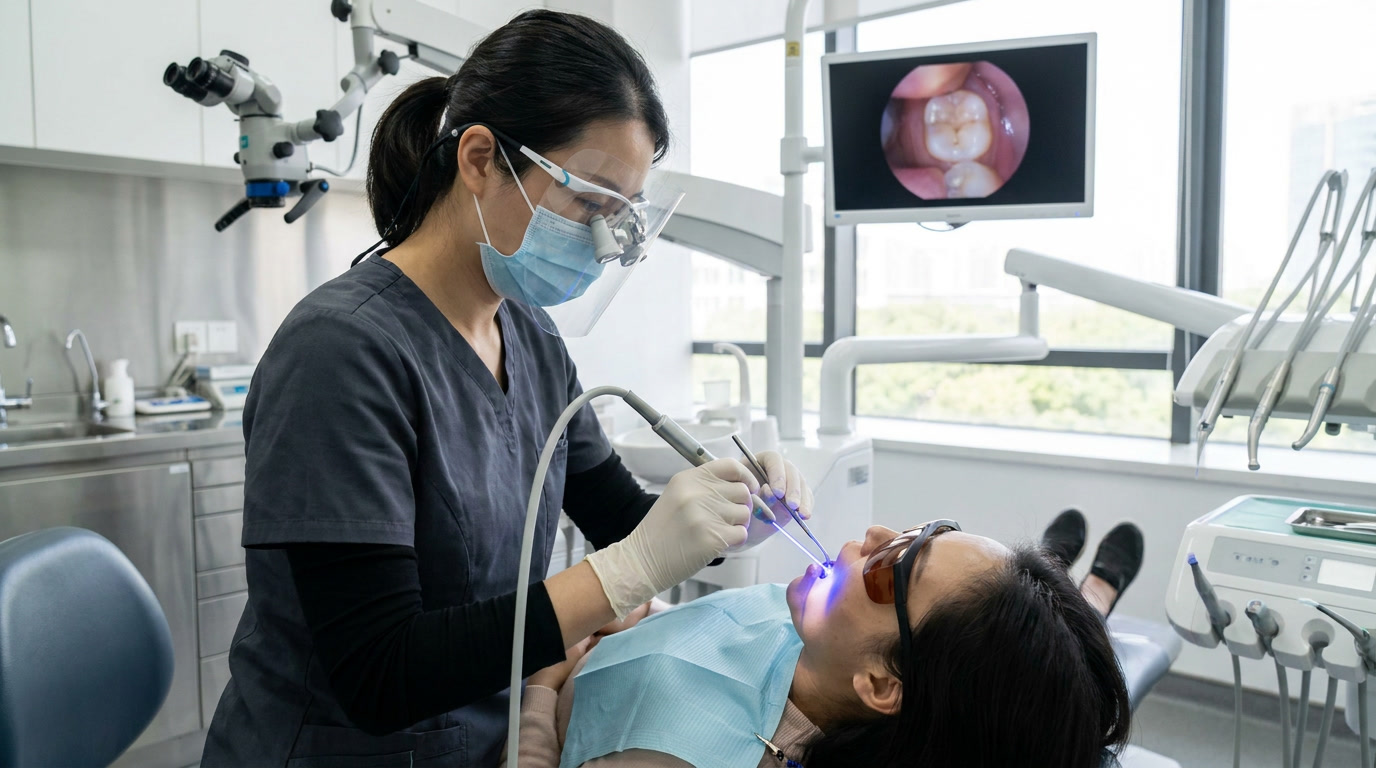
Laser dentistry is employed in numerous procedures to enhance patient comfort, precision, and healing. Some of the most common applications include:
- Treating Tooth Decay: Dental lasers can remove decayed areas within a tooth while preserving healthy enamel. The laser prepares the cavity for a filling, often reducing the need for traditional drilling.
- Managing Gum Disease: Lasers are used to remove bacteria from infected gum tissue and reshape gums during root canal or periodontal treatments. This technique minimizes bleeding and promotes faster healing.
- Biopsy and Lesion Removal: Dental lasers allow dentists to extract tissue samples for biopsy or remove lesions in the mouth, helping diagnose or relieve discomfort from conditions such as canker sores.
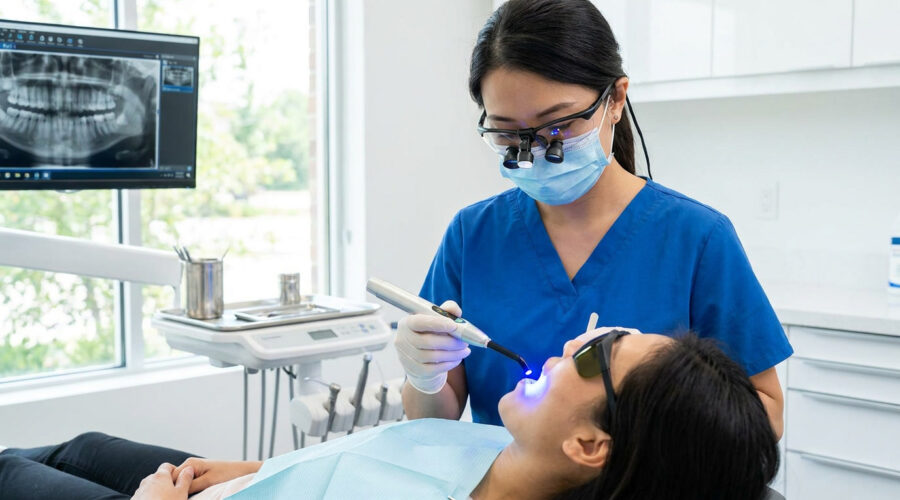
- Teeth Whitening: In-office teeth whitening is often enhanced with lasers. The laser activates a peroxide-based bleaching solution, speeding up the whitening process and improving results.
How Lasers Work in Dentistry
Dental lasers function by delivering highly concentrated light energy to targeted tissues. Depending on the procedure, the laser may act as a cutting instrument, a vaporizer to remove diseased tissue, or a heat source that accelerates chemical reactions, such as those in teeth whitening. This precision allows dentists to treat the affected area while minimizing damage to surrounding tissues.
Benefits of Laser Dentistry
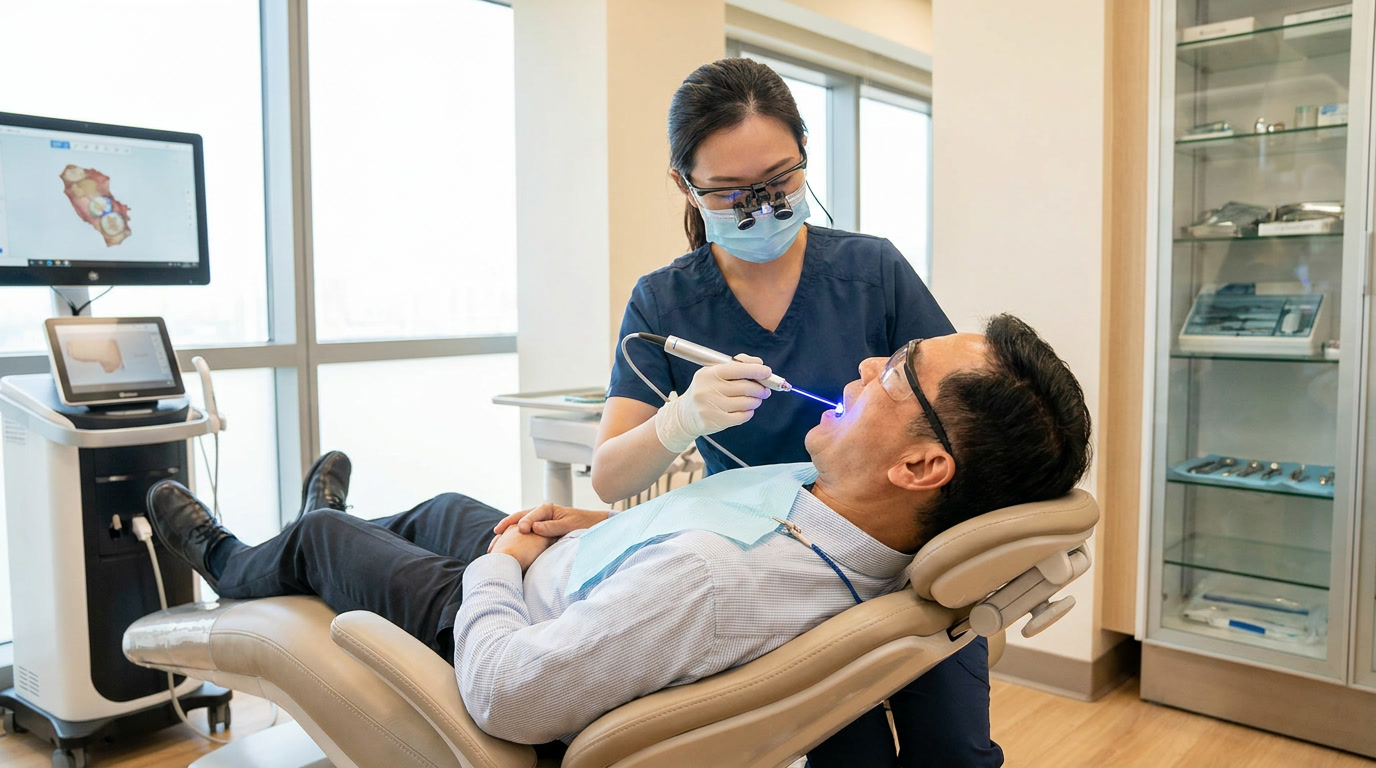
Laser dentistry offers several advantages compared to conventional dental tools:
- Reduced Pain and Anxiety: Many procedures can be performed with less discomfort, reducing the need for anesthesia and easing dental anxiety for patients who fear drills.
- Minimized Bleeding and Swelling: Lasers promote blood clotting during soft tissue procedures, which reduces postoperative bleeding and inflammation.
- Conservation of Healthy Tooth Structure: In cavity treatment, lasers can selectively remove decayed material while preserving more healthy tooth.
- Faster Healing: The precise and minimally invasive nature of lasers often supports quicker recovery times for patients.
Limitations and Considerations
While laser dentistry is highly effective, it is not suitable for all dental procedures:
- Compatibility Issues: Lasers cannot be used on teeth with existing fillings, large cavities requiring crowns, or in some restorative procedures like bridge preparation.
- Supplemental Tools Needed: Even with lasers, traditional drills may still be necessary for shaping or polishing fillings and adjusting bites.
- Cost: Dental lasers are expensive. This higher cost can affect the overall price of laser-based procedures.
- Anesthesia: While lasers may reduce the need for anesthesia in certain cases, they do not eliminate it entirely.
Conclusion
Laser dentistry represents a significant advancement in modern dental care. From treating tooth decay and gum disease to enhancing cosmetic procedures like teeth whitening, lasers provide precision, reduced discomfort, and faster healing. While they are not yet a complete replacement for traditional dental tools, their role in contemporary dentistry continues to expand. Choosing a qualified dental professional experienced in laser techniques is crucial for safe and effective treatment, ensuring patients enjoy the full benefits of this technology.