Laser Dentistry: A Modern Approach to Dental Care
Laser dentistry has emerged as an innovative branch of dental care, using focused light energy to treat a variety of oral conditions. First introduced commercially in 1989 for tooth tissue procedures, this technology has become increasingly popular among patients due to its precision, comfort, and efficiency. Today, laser dentistry is widely applied in both routine and advanced dental treatments, offering a less invasive alternative to traditional dental tools.
At its core, laser dentistry uses a highly concentrated beam of light aimed at specific tissues in the mouth. This allows dentists to either reshape or remove tissue with remarkable accuracy. Over the years, laser dentistry has been used to address several common dental issues, including:
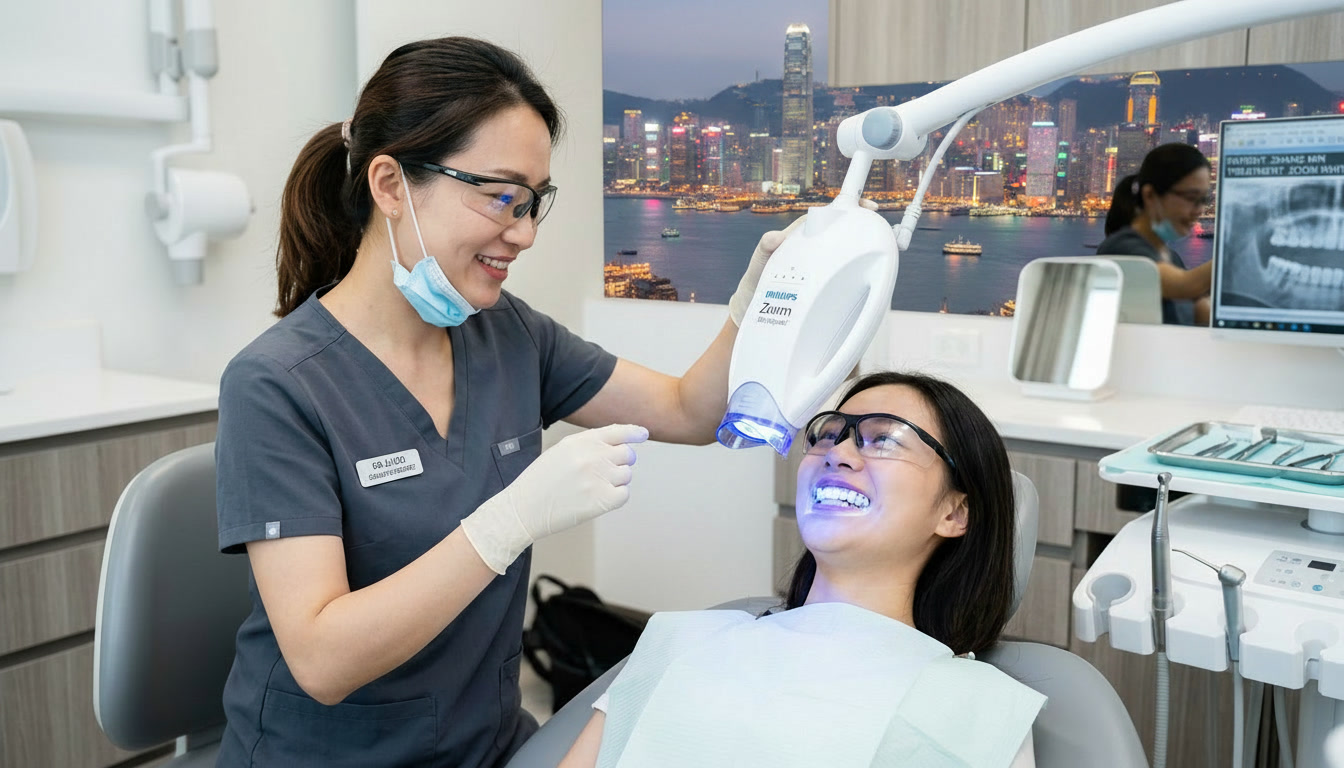
- Teeth whitening
- Treatment of gum disease
- Removal of tooth decay
- Managing tooth hypersensitivity
One of the primary reasons patients prefer laser dentistry is the reduction—or in some cases, elimination—of dental drilling. Traditional drills often produce uncomfortable vibrations and loud noises, which can increase anxiety during dental visits. Laser treatments, in contrast, are usually painless, often requiring little to no anesthesia for minor procedures, ensuring a more relaxed patient experience.
Types of Lasers in Dentistry
Dental lasers are generally classified into two types: hard tissue lasers and soft tissue lasers. Each type operates at a specific wavelength suited to the tissue being treated.
- Hard Tissue Lasers: These are primarily used for teeth. Their wavelengths allow them to cut through both bone and tooth material, making them ideal for reshaping teeth, detecting cavities, treating sensitivity, and preparing teeth for fillings.
- Soft Tissue Lasers: Designed for gums and other soft tissues, these lasers are easily absorbed by water and hemoglobin. They are used for procedures such as gum reshaping, crown lengthening, and correcting tongue movement issues, while also sealing blood vessels to reduce bleeding.
What to Expect During Laser Treatments
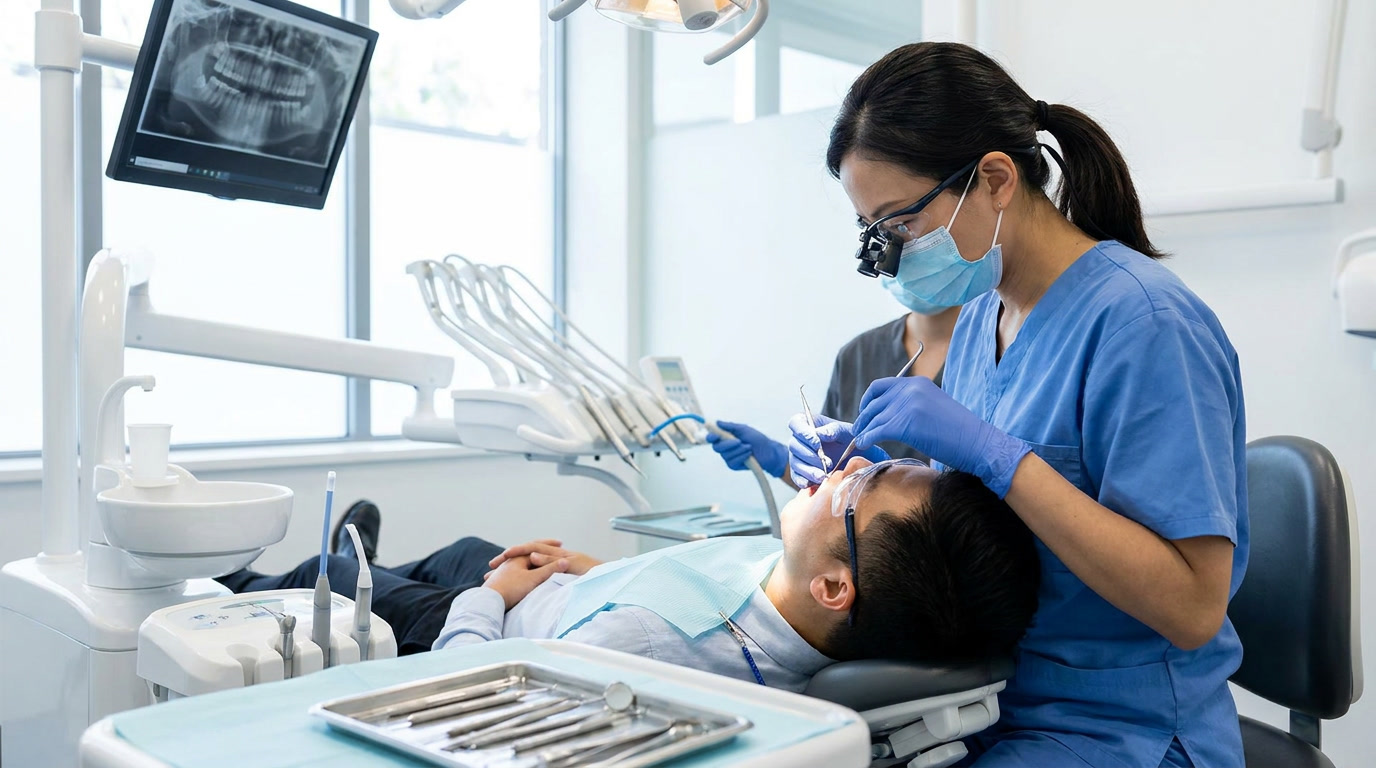
Laser dental procedures are straightforward and efficient. Once your dentist has identified the issue and recommended laser treatment, the procedure generally involves:
- Targeting the affected area with the laser instead of drilling
- Minimal discomfort or pain throughout the procedure
- Small amounts of bleeding that are immediately managed
- Keeping your mouth open to allow precise access for treatment
Recovery and Aftercare
Laser dentistry offers significant benefits when it comes to recovery. Unlike traditional procedures, bleeding is minimal, and the risk of infection is lower. Most patients experience little to no pain or swelling after treatment. However, if significant discomfort or swelling occurs and does not subside within a day, it is essential to consult your dentist promptly.
Finding a Skilled Laser Dentist
If you are considering laser dental treatments, it is crucial to choose a dentist experienced in this technology. Qualified professionals ensure that the correct type of laser and settings are used, maximizing safety and effectiveness. Many leading clinics, especially in major cities, offer state-of-the-art laser dentistry services to provide patients with precise and comfortable care.
Maintaining Oral Health
Laser treatments can enhance your oral care, but maintaining good dental hygiene remains essential. Brush your teeth twice daily, ideally after breakfast and before bed floss regularly, and schedule routine dental checkups. Combining these habits with advanced treatments like laser dentistry can help you maintain strong, healthy teeth and gums, improving both your dental health and overall quality of life.