
Fluoride Treatment: Benefits, Safety, and What You Should Know
Fluoride treatment is one of the most effective preventive methods dentists use to protect teeth and reduce the risk of cavities. Fluoride is a natural mineral that strengthens enamel and makes teeth more resistant to decay. For more than 70 years, many U.S. communities have added fluoride to tap water, contributing to a noticeable drop in tooth decay rates. According to the CDC, fluoridated water alone has helped reduce cavities by about 25%. However, professional fluoride treatment offers even stronger protection especially for people at higher risk of developing decay.
Whether you are curious about how fluoride works, wondering if it’s safe, or deciding if you or your child might benefit from it, here’s everything you need to know.
What Fluoride Treatment Involves
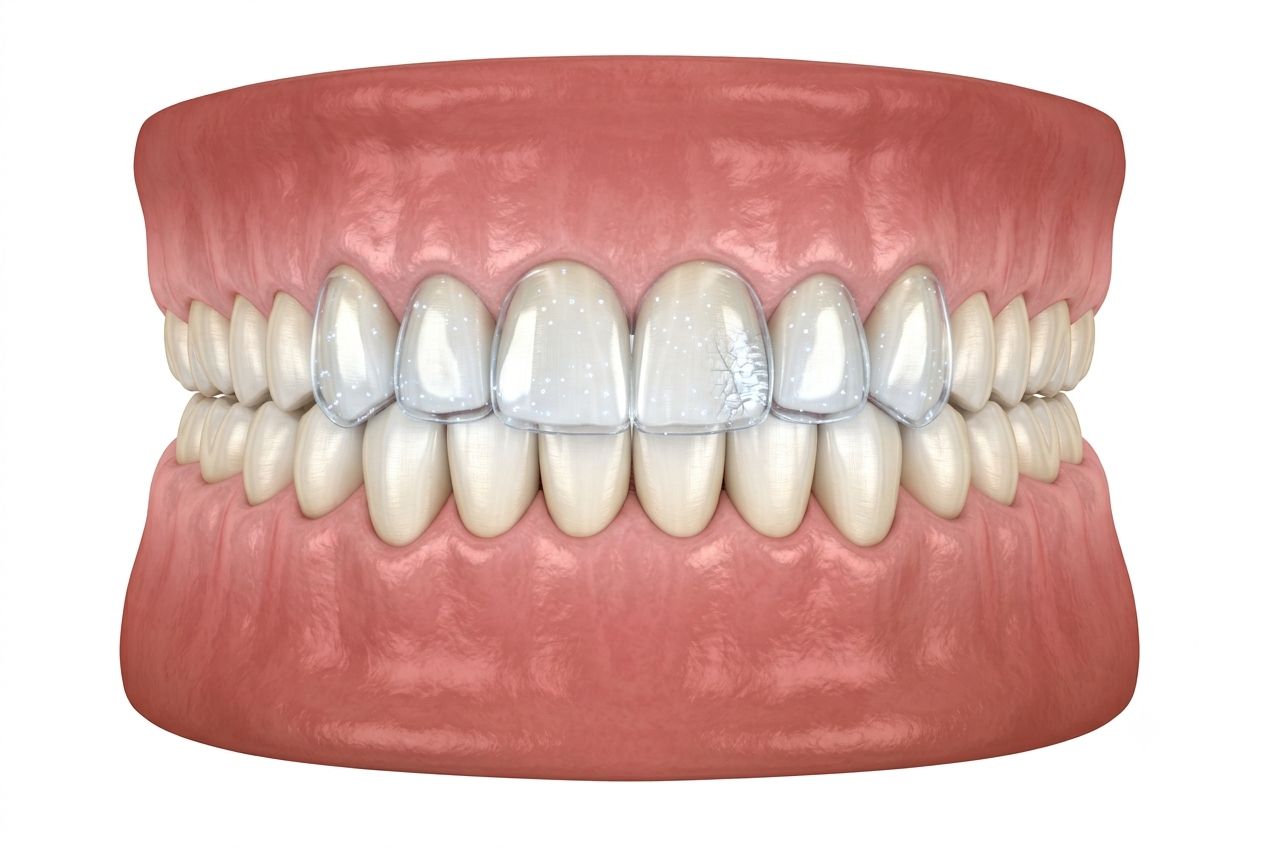
A fluoride treatment is a highly concentrated application of fluoride used to reinforce and protect tooth enamel. Unlike everyday toothpaste or mouth rinses, this procedure uses a much stronger formula applied directly by a dentist or dental hygienist. It may come as a gel, varnish, foam, or liquid coating that is brushed or placed onto the teeth.
There are also prescription-strength fluoride products for home use, but these should only be used with guidance from a dental professional. The goal is the same across all forms—to strengthen the enamel and prevent decay more effectively than standard over-the-counter products.
Why Fluoride Treatment Works So Well
Fluoride treatment helps protect teeth in three major ways:
- Enhances remineralization: Fluoride helps the teeth reabsorb vital minerals like calcium and phosphate, repairing weakened enamel.
- Strengthens developing teeth: When fluoride is present during early childhood, it builds stronger, more decay-resistant enamel that lasts a lifetime.
- Inhibits harmful bacteria: Fluoride reduces bacteria’s ability to produce acids that cause cavities.
Together, these benefits help:
- Lower the chance of developing cavities
- Slow down existing decay
- Reduce the need for extensive dental procedures
- Support the longevity of baby teeth
- Save money on long-term dental care
Stronger enamel also plays a role in preventing gum disease, decreasing sensitivity, and lowering the risk of tooth loss.
Side Effects
Fluoride treatment is widely recognized as safe when used appropriately. Still, some individuals may experience mild side effects:
- Tooth discoloration (fluorosis):
This is the most common concern but occurs almost exclusively in young children who consume too much fluoride while their teeth are forming. Fluorosis appears as faint white lines or streaks on the enamel and is generally harmless.
- Mild irritation or allergic reactions:
These are extremely rare but can occur in sensitive individuals.
- Toxicity risks:
Fluoride can become toxic if taken in very large quantities, but this is unlikely in a dental setting. Dentists carefully control the dose, especially for children. For kids under age 6, fluoride varnish is typically preferred because they may accidentally swallow foams or gels.
Who Should Consider Fluoride Treatment?
Daily exposure to small amounts of fluoride—through toothpaste and drinking water—is beneficial for everyone. But professional fluoride treatment is especially helpful for:
- Children developing new teeth
- Individuals with dry mouth
- People with a history of cavities
- Adults with multiple restorations
- Those with diets high in carbohydrates or sugar
- Anyone living in an area without fluoridated water
Children benefit significantly from fluoride treatment, as dental decay is among the most common chronic childhood conditions. The American Academy of Pediatrics recommends fluoride treatment as soon as the first teeth erupt, with follow-up treatments every 3–6 months depending on cavity risk.
Adults can also receive fluoride treatment every six months or as recommended by their dentist, especially if they’re prone to decay or enamel erosion.
Does Fluoride Treatment Really Work?
Multiple scientific studies—including randomized controlled trials—show that professional fluoride applications can dramatically reduce the likelihood of cavities in both primary and permanent teeth. Fluoride varnish, in particular, is highly effective at preventing enamel breakdown and reversing early signs of decay.
Fluoride treatment remains one of the simplest and most effective ways to protect your teeth and maintain lifelong oral health. While side effects are rare, it’s still important to speak with your dentist about the right fluoride routine for your age, lifestyle, and dental needs. With the right guidance, fluoride treatment can play a major role in keeping your smile healthier and cavity-free.