Fluoride Treatment: Benefits, Possible Effects, and When You Need It Most
Fluoride treatment plays a major role in strengthening teeth and protecting them from decay. Fluoride is a naturally existing mineral found in water, food, and many oral care products, and it has long been recognized as an essential part of preventive dentistry. Its primary job is to keep tooth enamel strong while reducing the risk of cavities caused by bacteria and plaque buildup.
How Fluoride Treatment Supports Your Oral Health
To understand the value of fluoride treatment, it helps to know how cavities develop. When bacteria accumulate on the teeth, they form plaque, a sticky layer that produces acids. These acids slowly wear down the enamel, and once that protective layer is compromised, bacteria can enter deeper parts of the tooth, affecting the nerves and blood supply.
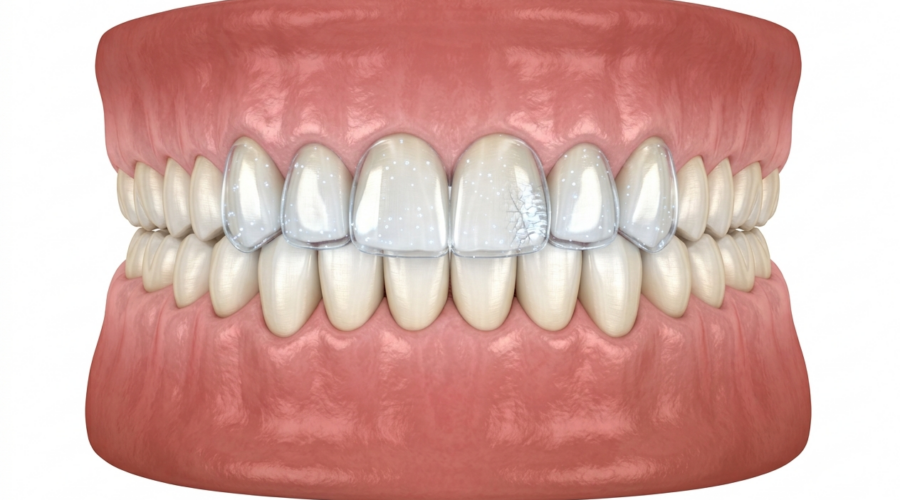
Fluoride works by replenishing minerals in weakened enamel and making the surface of your teeth more resistant to acid attacks. This process helps slow or stop early decay and prevents new cavities from forming. Because of this, fluoride treatment is especially beneficial for individuals with a high risk of dental caries.
What to Expect During a Professional Fluoride Treatment
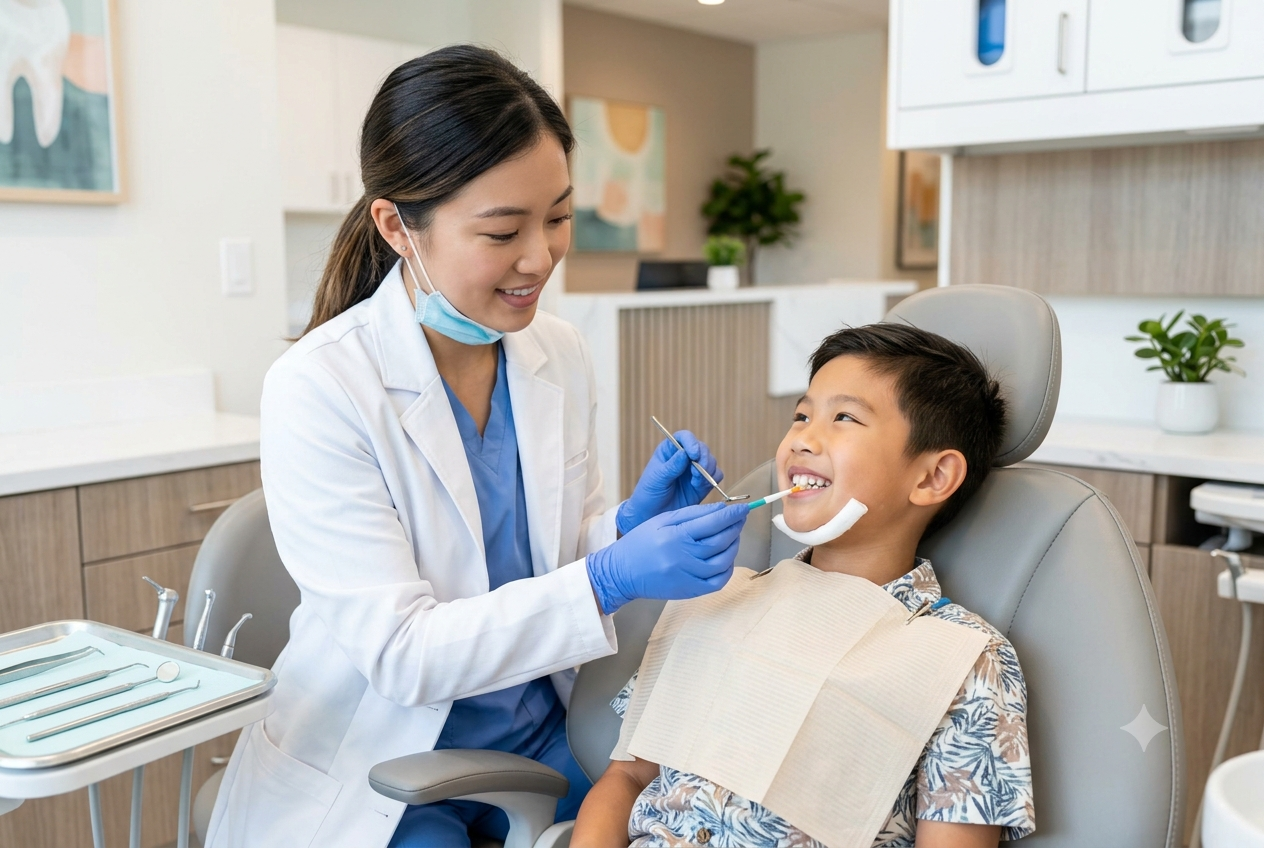
A dentist may apply fluoride in several forms, including gel, varnish, foam, or a concentrated mouth rinse. The application takes only a few minutes and is typically done with a brush, swab, tray, or mouthwash. Since the fluoride used in dental offices is stronger than what you find in toothpaste or tap water, your dentist will advise you to avoid eating or drinking for about 30 minutes afterward to allow proper absorption.
Sharing your complete health history with your dentist helps them determine the most suitable form of fluoride treatment for your needs.
How Much Fluoride You Need
The American Dental Association (ADA) suggests that people receive professional fluoride treatment every 3, 6, or 12 months based on their oral health condition. If you have frequent cavities or weakened enamel, your dentist may also recommend a prescription-strength fluoride gel or mouth rinse for at-home use.
Certain habits and health factors increase cavity risk, including poor oral hygiene, dry mouth, high sugar consumption, eating disorders, alcohol or drug misuse, and inconsistent dental visits. These individuals often benefit most from consistent fluoride treatment.
Dietary fluoride also contributes to stronger teeth. Foods and drinks such as tea, fluoridated water, fish with bones, and meals prepared with water all provide small amounts of fluoride naturally.
Fluoride Treatment for Children
For children younger than 3, only a smear of fluoride toothpaste about the size of a grain of rice should be used, and brushing must be supervised. Kids between 3 and 6 years old should use a pea-sized amount and be encouraged to spit out excess toothpaste. Early exposure to the right amount of fluoride significantly reduces the risk of cavities throughout childhood.
Key Benefits of Fluoride Treatment
Fluoride treatment strengthens enamel, slows early decay, and reduces harmful bacterial activity in the mouth. While it cannot reverse existing cavities, it reinforces the outer layer of the tooth, helping prevent deeper decay. Studies show that children who receive routine fluoride treatments experience fewer cavities, and communities with fluoridated water have consistently shown lower rates of tooth decay in both kids and adults.
Are There Side Effects?
Fluoride is safe when used correctly, but excessive exposure can lead to complications such as white spots on teeth, staining, weakened bones, or very rarely, toxicity. Overdose generally occurs only when supplements are misused, especially in children. Keeping fluoride products out of children’s reach prevents accidental ingestion.
Final Thoughts
Fluoride treatment remains one of the most reliable ways to prevent cavities and maintain strong teeth. Along with brushing twice daily, flossing, eating a balanced diet, and avoiding tobacco, fluoride helps protect your smile and supports long-term oral health. Regular dental checkups and professional fluoride applications ensure your teeth stay healthy, strong, and cavity-resistant.