
Understanding Sedation Dentistry
For many people, visiting the dentist can bring feelings of worry, tension, or even fear. Sedation dentistry has become an effective solution for patients who want a smoother, more relaxed experience during dental procedures. Whether you struggle with dental anxiety, have a sensitive gag reflex, or are preparing for a lengthy treatment, sedation options make it possible to receive the care you need without discomfort.
Sedation dentistry involves specialized medications that help ease anxiety and create a calm state during dental appointments. While you remain awake and responsive, you stay relaxed enough to undergo treatment without noticing pain or feeling overwhelmed. This is why sedation dentistry is often referred to as conscious sedation or twilight dentistry.
Dentists may recommend sedation for several reasons, including fear of treatment, phobia of needles, strong gag reflexes, sensitivity in the teeth, or difficulty staying still in the chair. It is also ideal for children, adults with special needs, or patients who simply want a stress-free appointment.
Different Approaches to Sedation Dentistry
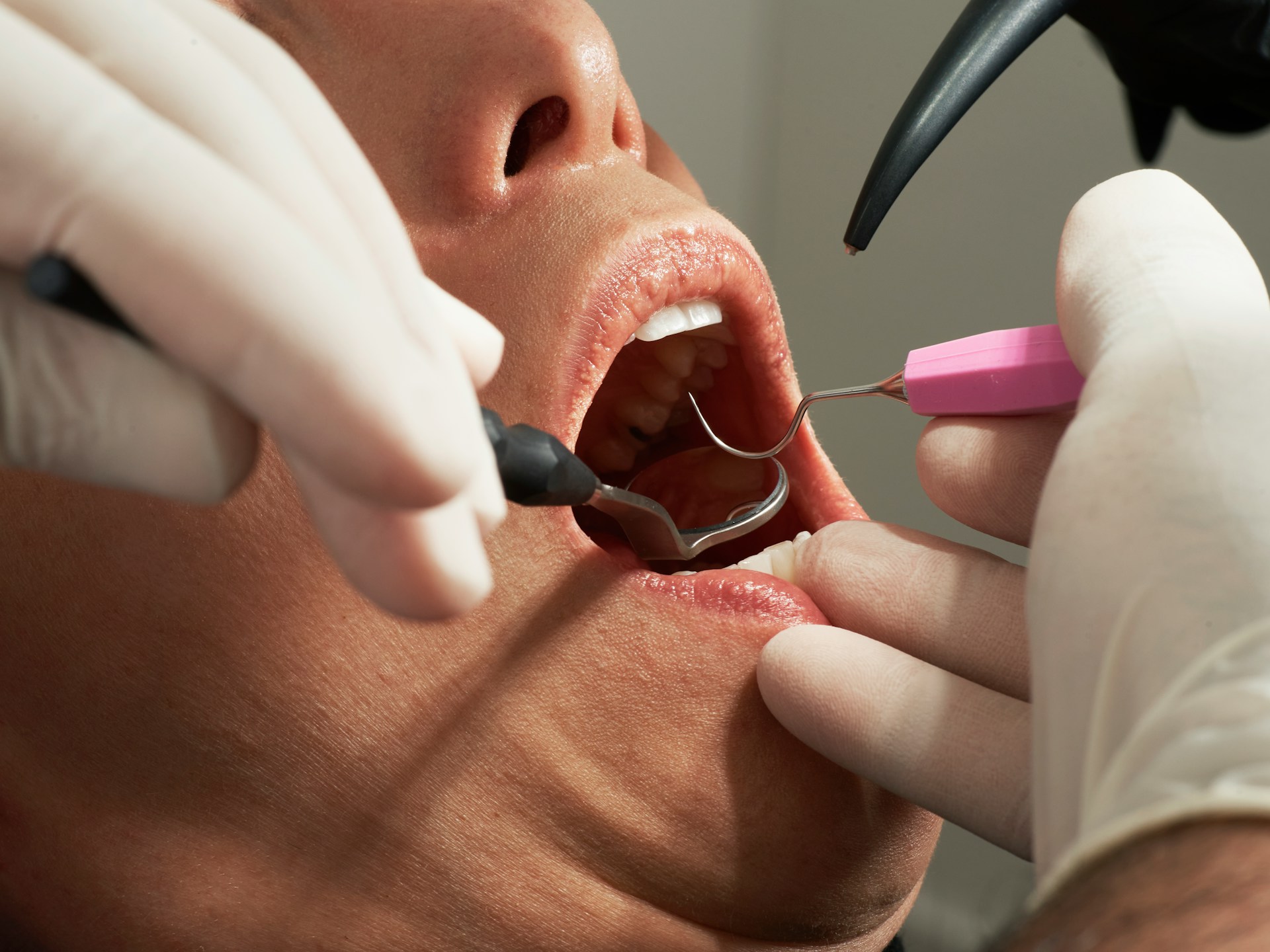
Sedation dentistry comes in various forms, each designed to meet unique needs. Your dentist will choose the most appropriate type depending on your level of anxiety, the length of the procedure, and your overall health.
1. Nitrous Oxide (Laughing Gas)
Nitrous oxide is one of the most common options used in dental offices. You breathe it in through a small mask placed over your nose. Within minutes, you begin to feel calm and relaxed. One of its biggest advantages is that it wears off very quickly once the dentist switches you to pure oxygen. This means you can resume normal activities, including driving, immediately after your appointment.
2. Oral Sedation
Oral sedation comes in the form of a prescription pill taken before your visit. It creates a deeper level of relaxation compared to nitrous oxide, and some patients may even fall lightly asleep during their treatment. While you remain conscious, you’re unlikely to remember much of the procedure. Because the effects last longer, you’ll need someone to accompany you to and from your appointment.
3. IV Sedation
IV sedation offers the deepest level of conscious relaxation available in a dental practice. It is delivered through an IV line and is typically recommended for highly anxious patients or procedures that require extended time. Your heart rate and breathing are monitored, and your sedation level is adjusted throughout the treatment. Many patients fall asleep and wake up with no memory of the procedure.
Preparing for a Sedation Appointment
Before your visit, your dentist will review your medical history and discuss any medications you take, as certain drugs can interfere with sedation. You may also be asked to avoid eating or drinking for a specific period before your appointment.
If you are receiving oral or IV sedation, arrange for transportation, as you won’t be able to drive yourself afterward.
Benefits and Possible Side Effects
Sedation dentistry offers several advantages, including helping anxious patients receive necessary care, reducing the number of appointments required, and making long treatments feel shorter. Most people experience minimal side effects such as drowsiness, mild nausea, headache, or temporary dry mouth. These typically disappear within a day.
Children may react differently and experience irritability, snoring, or slight fever, but their dentist will monitor them until it is safe to go home.
A More Comfortable Dental Experience
Sedation dentistry offers a solution for anyone who struggles with anxiety, discomfort, or fear at the dentist. By making treatments more manageable and calming, sedation helps ensure that patients receive essential dental care without hesitation. If you feel uneasy about an upcoming procedure, talk to your dentist about the safest and most suitable sedation option for you.