
Sedation Dentistry Helps You Relax During Dental Health
For many people, visiting the dentist can be overwhelming. Dental anxiety, fear of discomfort, or past negative experiences often make routine checkups feel impossible. Unfortunately, avoiding the dentist only leads to more serious oral health problems over time. That’s where Sedation Dentistry becomes a game-changer. It offers a safe and effective way to stay calm, comfortable, and in control throughout your dental visit.
If you’ve been putting off treatment due to stress or worry, modern dental sedation provides a smooth path to receiving the care you need, without fear.
What Sedation Dentistry Actually Involves
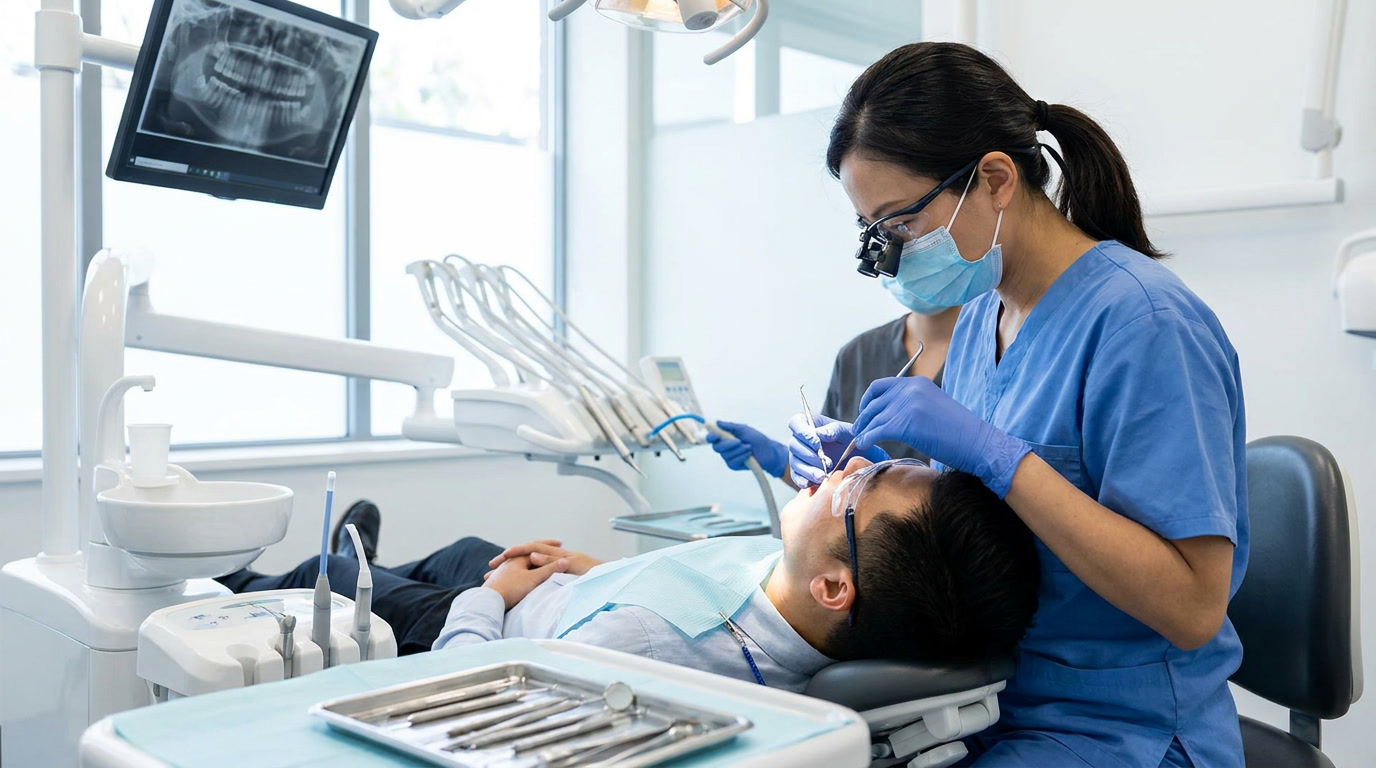
Sedation Dentistry uses carefully administered medication to help patients relax during dental treatments. Depending on the option selected, you may feel mildly calm, deeply relaxed, or close to asleep. While many people refer to it as “sleep dentistry,” you’re usually still awake unless undergoing general anesthesia.
Whether you’re coming in for a simple cleaning, a filling, or a more complex procedure, sedation can make the entire experience feel more manageable. Dentists often tailor the sedation level to your comfort, ensuring a safe and stress-free appointment.
Common Sedation Options Used in Dentistry
Different types of dental sedation are available based on your comfort level, health history, and the procedure planned. Here’s an overview of the most widely used methods:
- Nitrous Oxide
Often known as laughing gas, nitrous oxide is one of the mildest forms of sedation. It’s administered through a small nose mask, helping you feel relaxed while staying fully awake. Once the gas is turned off, the effects fade quickly, allowing many patients to resume normal activities soon after their appointment.
- Oral Sedation
This option involves taking prescription medication before your visit. It helps you feel deeply relaxed, and you may become drowsy during the procedure. Some patients even fall asleep lightly but can still respond to cues. Oral sedation is especially helpful for those with significant dental anxiety.
- IV Sedation
Administered through a small IV line, this type of sedation works quickly and lets the dentist control the depth of relaxation throughout the procedure. Patients often remember very little afterward, making it ideal for longer or multiple treatments done in a single visit.
- General Anesthesia
This is a deeper form of sedation that places you into a controlled, unconscious state. It’s usually reserved for complex procedures or patients with special medical needs.
Why Sedation Dentistry Is Worth Considering

The benefits of sedation for dental treatment go far beyond reducing anxiety. Many patients appreciate that sedation:
- Minimizes discomfort and pain
- Helps control a strong gag reflex
- Makes longer procedures feel shorter
- Allows multiple treatments to be completed in fewer visits
- Creates a stress-free experience for people with past dental trauma
If you often delay appointments because the dentist makes you nervous, this option can transform the way you approach oral care.
Sedation Dentistry Costs and Insurance
The cost of sedation varies depending on the type used and the length of your procedure. While many patients find it to be an affordable investment, financing options are often available for additional support. Some insurance plans may cover sedation if it’s medically necessary, especially for anesthesia-based treatments. It’s always best to check with your provider before your appointment.
After-Effects: What to Expect
Recovery time depends on the type of sedation chosen. Nitrous oxide wears off quickly, but oral or IV sedation may leave you feeling sleepy or unfocused for several hours. For these, you’ll need someone to drive you home. Your dentist will guide you on the best after-care practices to ensure a safe recovery.
Considering Sedation Dentistry
If you’re ready to make your dental visits more comfortable and less stressful, Sedation Dentistry offers a reliable solution. Modern techniques allow your dentist to customize the experience to your needs, making each appointment smoother and more relaxed. Scheduling a consultation can help you explore the best option for your comfort and treatment goals.