
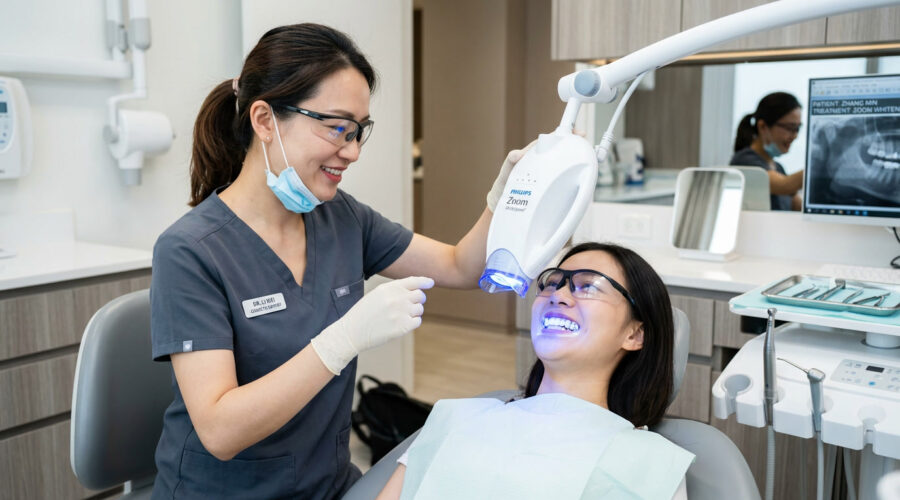
Teeth Whitening: Process, Benefits and What to Expect
A bright smile is often associated with confidence, good health, and youthfulness. It’s no surprise that Teeth Whitening has become one of the most requested cosmetic dental treatments today. With an increasing focus on appearance in social and professional settings, many people seek ways to achieve a whiter, more radiant smile. Thankfully, there are more whitening options available than ever before, ranging from at-home products to professional in-office procedures.
But before choosing a whitening method, it’s helpful to understand how teeth become discolored, how whitening products work, and what risks or considerations may be involved.
Why Do Teeth Lose Their Natural Whiteness?
Teeth can become stained or discolored due to a variety of intrinsic and extrinsic factors:
- Extrinsic Stains: These are surface stains caused by external factors. Foods and beverages such as coffee, tea, red wine, berries, and cola contain pigments that attach to the enamel. Tobacco use is another major contributor, as chemicals in cigarettes and vaping liquids can leave yellow or brown stains.
- Intrinsic Stains: These occur within the tooth structure. Age, genetics, certain medications, trauma, and excessive fluoride can change the internal color of a tooth, making it appear darker or more yellow.
Regardless of the cause, discoloration can affect how you feel about your smile, which is why many people look for ways to brighten their teeth.
How Teeth Whitening Works
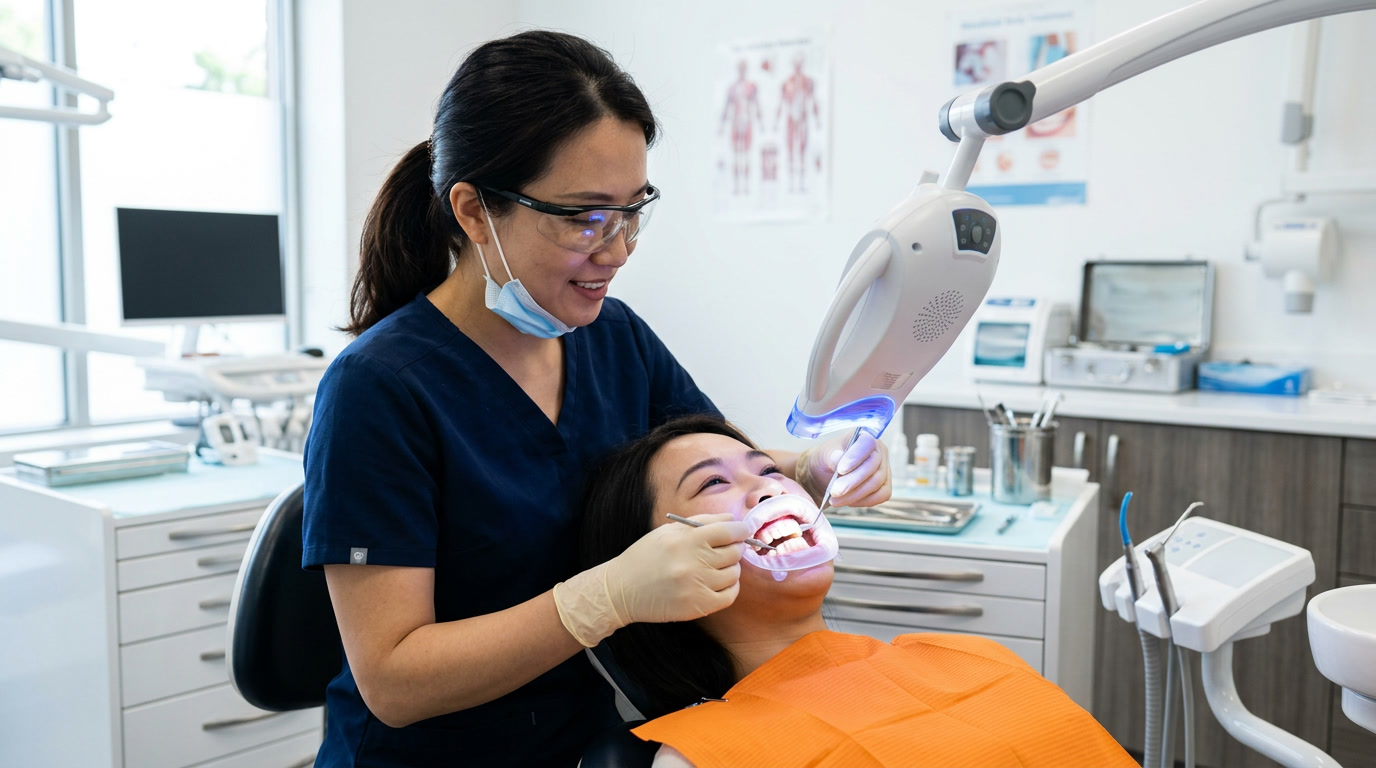
Most teeth whitening treatments rely on bleaching agents such as hydrogen peroxide or carbamide peroxide. These chemicals break down stain molecules into smaller particles, reducing their visual intensity and making the teeth appear lighter. Whitening can lighten teeth by several shades depending on the method and the severity of discoloration.
However, not all teeth respond to whitening in the same way. For example, teeth that are naturally gray or severely stained by medication may not whiten effectively and may require alternative solutions such as veneers or crowns.
Common Teeth Whitening Options
There are several methods available, each with its own advantages:
1. Whitening Toothpaste
These products use mild abrasives to help remove surface stains. They are useful for maintenance but generally only lighten teeth by one or two shades.
2. Over-the-Counter Whitening Strips and Gels
Whitening strips or brush-on gels contain lower concentrations of bleaching agents. They can brighten teeth gradually and work well for mild staining.
3. Tray-Based Whitening Systems
Available both over the counter and through a dentist, these systems use trays filled with whitening gel. Custom trays provided by dental professionals offer a better fit and more consistent results.
4. Professional In-Office Whitening
This treatment is performed by a dental professional using a higher concentration whitening agent. The results are often noticeable after just one appointment, making it one of the fastest and most effective whitening options.
Potential Side Effects and Considerations
Teeth whitening is generally safe when used as directed, but some people may experience:
- Tooth sensitivity
- Irritation of the gums
- Temporary enamel surface changes (typically reversible)
Overuse or misuse of whitening products can increase these risks. That’s why it’s beneficial to consult a dental professional, especially if you have existing restorations like crowns, fillings, or veneers, as whitening products do not lighten these materials.
How Long Do Whitening Results Last?
The longevity of whitening results depends largely on lifestyle habits. If you frequently consume staining foods or beverages or use tobacco products, discoloration may return more quickly. With proper oral hygiene and occasional touch-up treatments, many people can maintain a whiter smile for several months to a year.
Healthy Habits For White Teeth

While Teeth Whitening can significantly enhance the appearance of your smile, maintaining consistent oral care is just as important. Brushing twice daily, flossing regularly, reducing staining foods, and staying hydrated all help protect your results and support overall dental health.
A whiter smile is achievable—and with the right approach, it can be both safe and long-lasting.