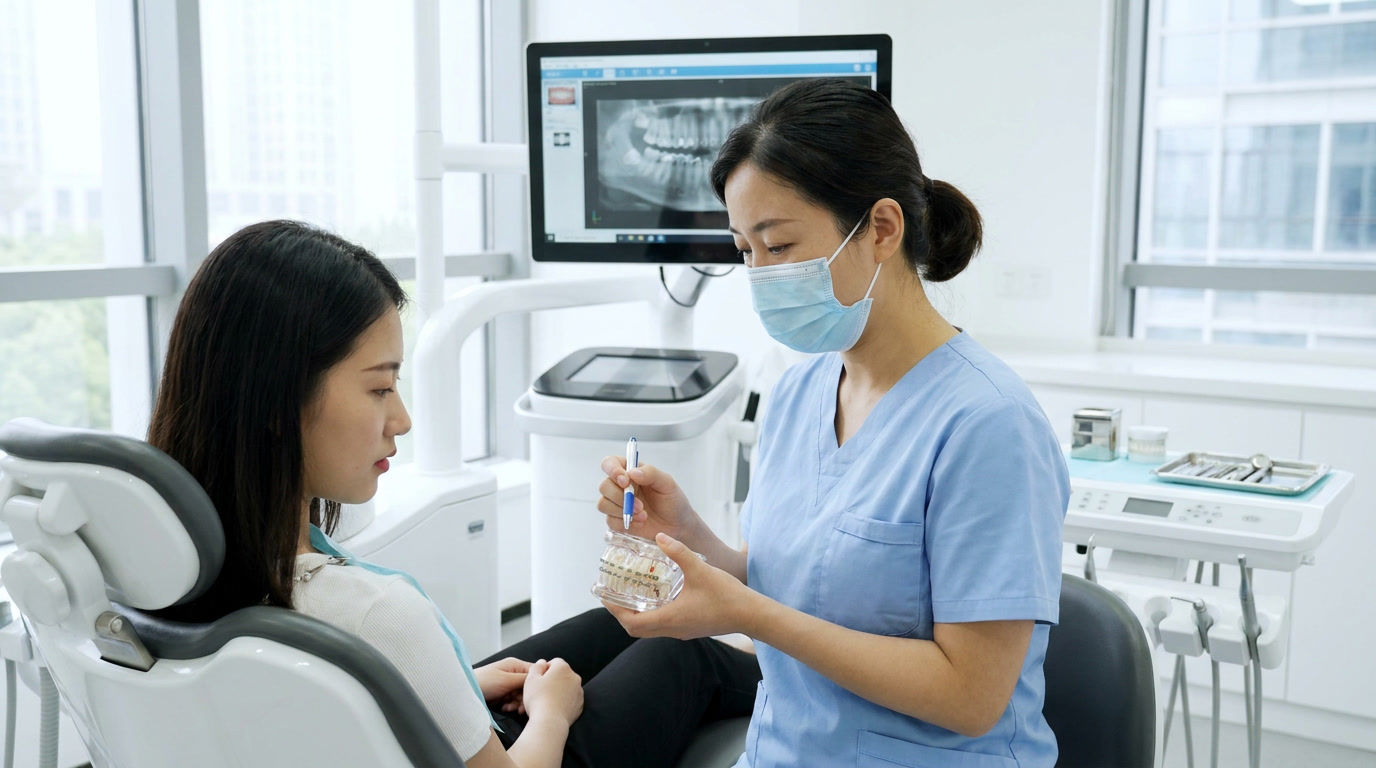
Retainer Fitting
Maintaining your straight smile after braces or Invisalign doesn’t end when the active treatment is over. Your retainer plays a crucial role in keeping your teeth in their new positions. But what happens when your retainer no longer fits correctly? Understanding retainer fitting issues is key to protecting your smile and preventing unwanted tooth movement.
Signs Your Retainer May Be Loose
A loose retainer fails to provide the support your teeth need, which can compromise your results. You might notice the following:
- The retainer shifts or wobbles while you speak.
- You can easily push it out with your tongue.
- It falls out during sleep or while eating.
- It clicks in and out without resistance.
- Small gaps appear between your teeth and the retainer.
These issues are often caused by plastic wear, warping, or inconsistent use. Even minor looseness can reduce the effectiveness of your retainer, so it’s important to address it early.
Signs Your Retainer Is Too Tight
A retainer that feels tight or won’t fully seat on your teeth may indicate that your teeth have started to shift back toward their original positions. Common signs include:
- Difficulty fitting the retainer after skipping wear for a few days or longer.
- Excessive pressure or discomfort when wearing it.
- The retainer doesn’t sit flush against your teeth.
- It won’t snap into place like it used to.
While slight snugness is normal, pain or incomplete seating suggests that adjustments or a replacement may be needed.
What to Do If Your Retainer Doesn’t Fit
Forcing a retainer into place can damage both the appliance and your teeth. Instead, follow these steps to maintain proper retainer fitting:
- Contact Your Orthodontist Promptly: Early intervention makes corrections easier and more effective.
- Bring Your Retainer to Your Appointment: Even if it doesn’t fit, your orthodontist can evaluate it and recommend the best solution.
- Avoid Forcing It: Mild snugness may be normal if your teeth have shifted slightly, but persistent pain or inability to wear it requires professional attention.
Tips to Prevent Retainer Fit Issues
Preventing retainer problems is much easier than fixing them. Keep these best practices in mind:
- Wear your retainer consistently, especially during the first months after treatment.
- Keep your retainer clean to avoid plaque buildup, which can impact the fit.
- Store your retainer in its protective case to prevent warping or damage.
- Attend follow-up appointments to ensure your teeth and retainer remain in optimal condition.
When in Doubt, Get a Professional Check
Even small changes in retainer fit can affect your teeth over time. Whether you’ve missed a few nights or notice your retainer feels off, it’s always better to have it checked by a professional. Retainers may be a small part of your daily routine, but they are essential for long-term smile maintenance.
Proper retainer fitting ensures that your post-treatment teeth stay aligned and your smile remains beautiful. If you notice looseness, tightness, or discomfort, don’t ignore it. Contact your orthodontist promptly for evaluation and guidance. By paying attention to your retainer and addressing any fitting issues early, you can enjoy a confident, healthy smile for years to come.