Laser Dentistry: Modern Solutions for Dental Care
Laser dentistry has become an increasingly popular tool in modern dental care. Since the 1990s, lasers have been used in a wide range of dental treatments, from teeth whitening to treating tooth decay, gum disease, and mouth lesions. These high-precision tools offer an alternative to traditional drills and dental instruments, often resulting in less discomfort, faster healing, and improved outcomes.
What Is Laser Dentistry?
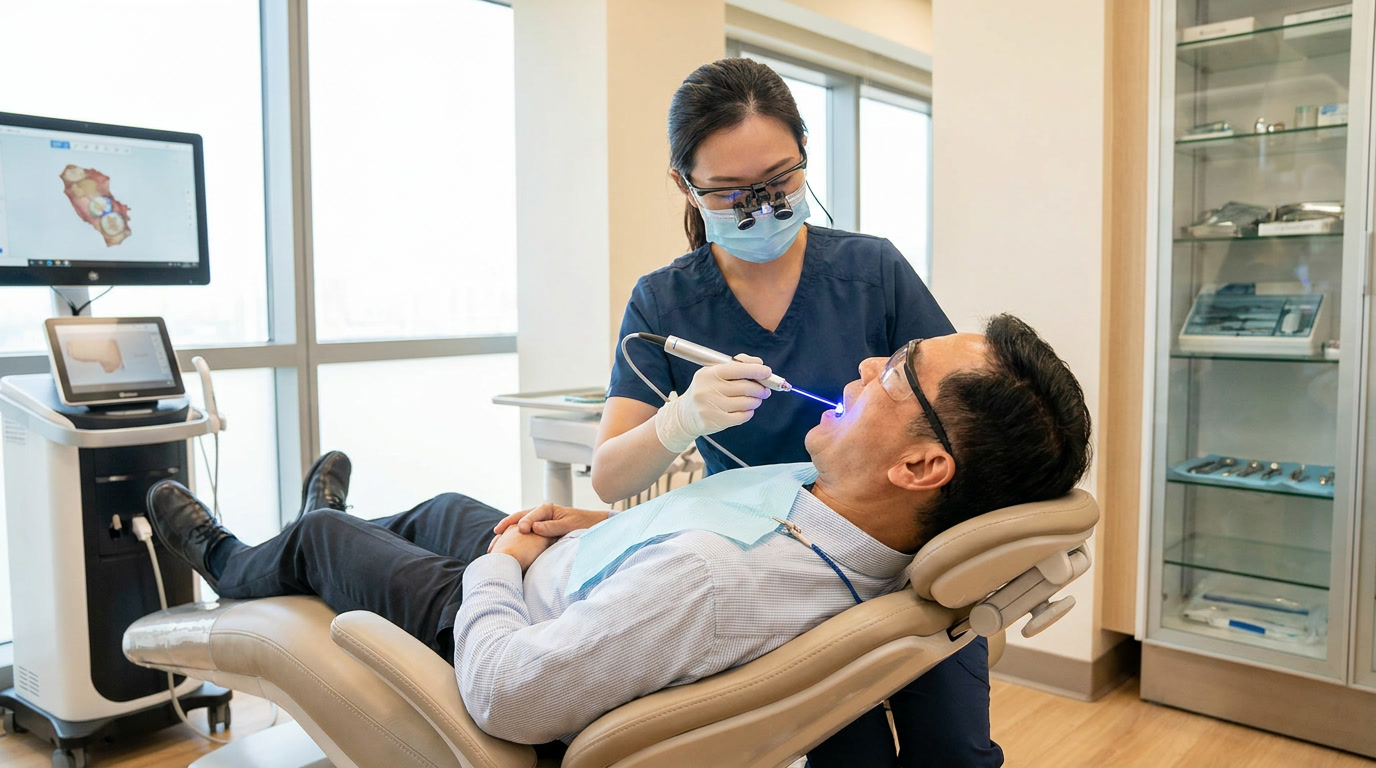
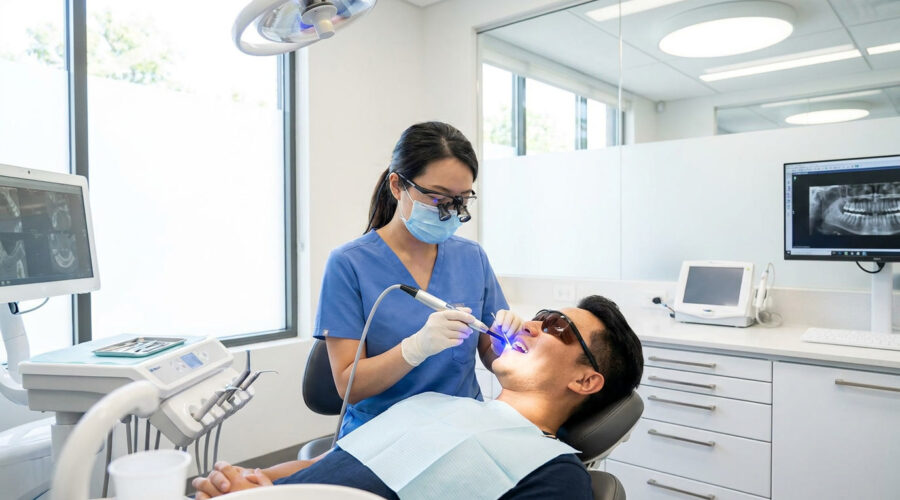
Laser dentistry involves using focused beams of light to target specific areas of the mouth. The term “laser” stands for Light Amplification by Stimulated Emission of Radiation, and the light energy produced can remove, shape, or treat tissue in a precise and controlled manner. Depending on the type of procedure, lasers can work on hard tissue, such as teeth, or soft tissue, like gums.
Dental professionals use lasers for a variety of treatments, including:
- Treating tooth hypersensitivity
- Managing tooth decay
- Addressing gum disease
- Whitening teeth
The FDA has approved lasers for use in multiple dental procedures. While the American Dental Association (ADA) does not provide full approval, it recognizes that laser dentistry can be effective and beneficial when used correctly.
How Laser Treatments Work
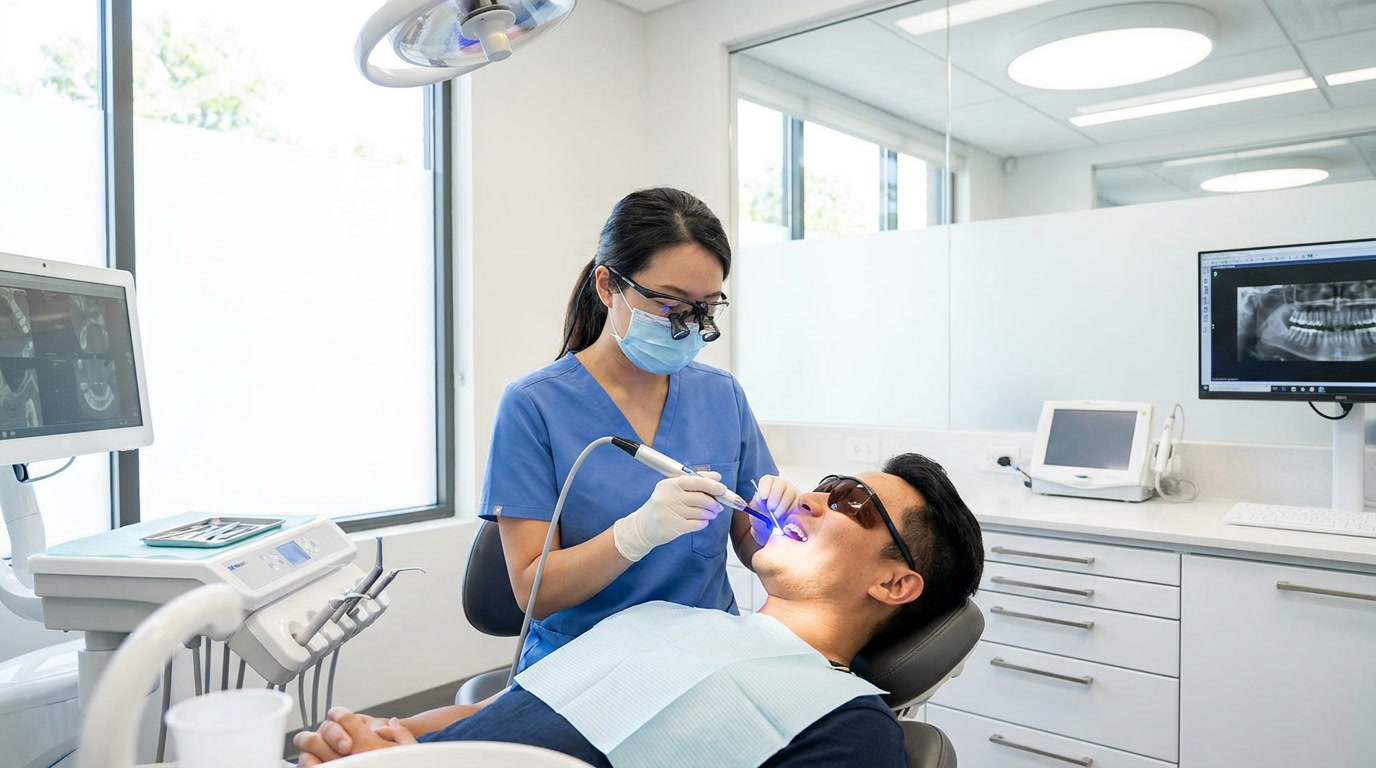
Laser dentistry is categorized into two main types: hard tissue and soft tissue procedures.
Hard tissue lasers are used on teeth and are commonly applied for:
- Early cavity detection
- Tooth preparation and fillings without the need for traditional drills
- Reducing tooth sensitivity by sealing exposed root tubules
Soft tissue lasers target gums and other oral soft tissues, offering treatments such as:
- Correcting a “gummy smile” by reshaping gum tissue
- Crown lengthening to create a healthier tooth structure
- Frenectomy for children with restricted tongue movement
- Removing soft tissue folds caused by dentures
Other advanced applications of laser dentistry include assessing internal tissue, removing benign tumors, aiding in obstructive sleep apnea treatment, reducing TMJ pain, supporting nerve regeneration, treating cold sores, and accelerating teeth whitening.
Benefits of Laser Dentistry
Laser dentistry provides several advantages compared to traditional methods:
- Minimally invasive procedures with reduced need for sutures
- Less bleeding during soft tissue treatments due to blood clot promotion
- Potentially less need for anesthesia
- Reduced risk of bacterial infection because the laser sterilizes the area
- Faster healing and tissue regeneration
- Precise treatment with minimal damage to surrounding areas
Limitations and Risks
Despite its benefits, laser dentistry has some limitations. Certain procedures cannot be performed with lasers, particularly on teeth with existing metal fillings. Hard tissue lasers may sometimes harm the tooth pulp, and drills may still be necessary for shaping, bite adjustment, or polishing fillings. Risks include gum injury, infection, allergic reactions, and tissue or nerve damage, though these are rare when procedures are performed by trained professionals.
Laser Dentistry for Children
Lasers can also be used for pediatric patients. The American Academy of Pediatric Dentistry acknowledges the benefits but emphasizes that pediatric dentists require additional training for safe and effective use. Laser dentistry can be applied to infants, children, teens, and adults with special healthcare needs.
Conclusion
Laser dentistry has transformed dental care by offering less invasive, precise, and often more comfortable alternatives to traditional treatments. While there are limitations and potential risks, modern lasers provide effective solutions for a wide range of dental issues—from gum disease and tooth decay to cosmetic procedures like teeth whitening. With trained professionals, laser dentistry can help patients experience faster recovery and improved oral health outcomes.