
Preventing and Managing Cavities: Insights into Oral Health Risks
Overview
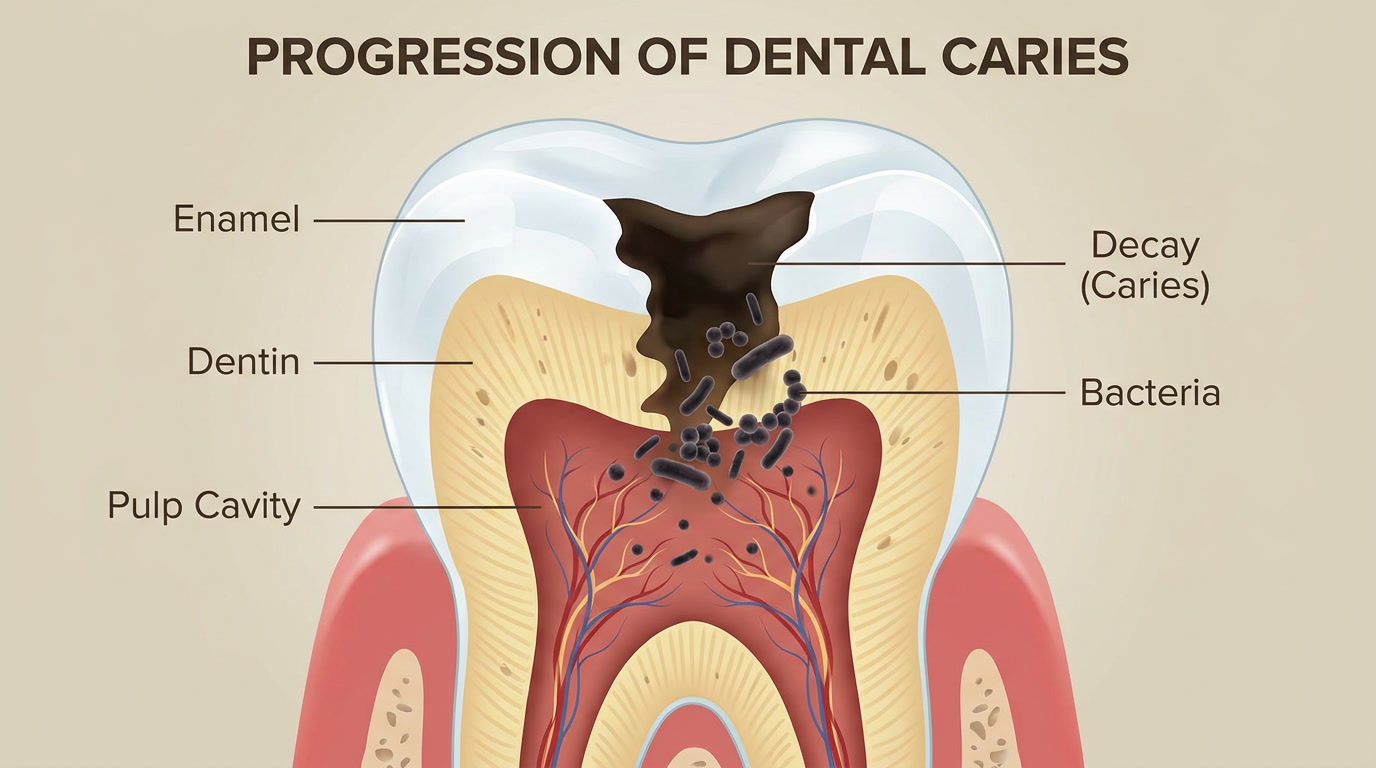
Tooth decay begins when bacteria in your mouth make acids that attack the tooth’s surface (enamel). This can lead to a small hole in a tooth, called a cavity. If tooth decay is not treated, it can cause pain, infection, and even tooth loss.
People of all ages can get tooth decay once they have teeth—from childhood through the senior years.
Young children are at risk for “early childhood caries,” sometimes called baby bottle tooth decay. This severe tooth decay starts in the baby’s front teeth and extends to the back teeth.
Because many older adults experience receding gums, which allows decay-causing bacteria in the mouth to come into contact with the tooth’s root, they can get decay on the exposed root surfaces of their teeth.
Types of cavities
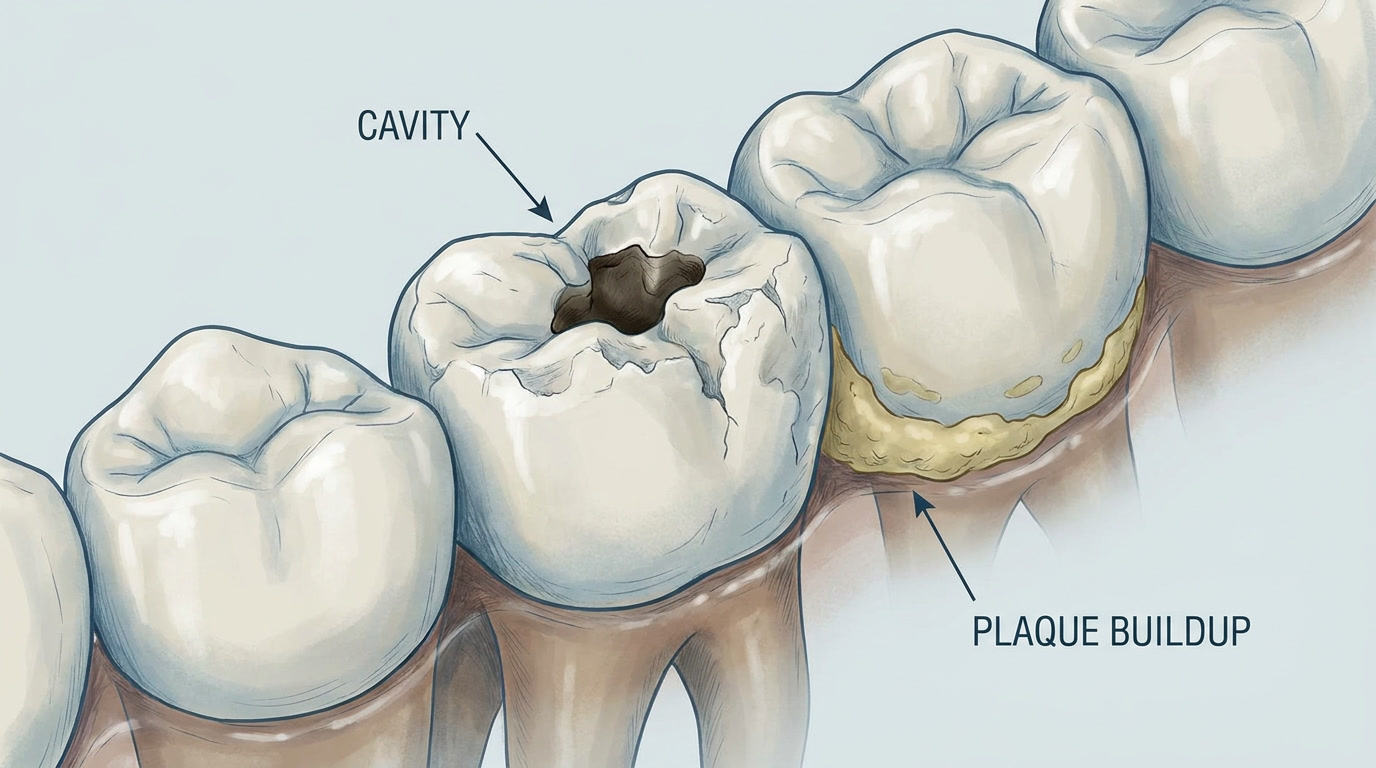
Cavities can start on any tooth surface. Here are common types of cavities and where they occur:
- Smooth surface: This slow-growing cavity dissolves tooth enamel. You can prevent it — and sometimes reverse it — with proper oral hygiene. People in their 20s often develop this form of tooth decay between their teeth.
- Pit and fissure decay: Cavities form on the top part of your tooth’s chewing surface. Decay also can affect the front side of your back teeth. Pit and fissure decay tends to start during the teenage years and progresses quickly.
- Root decay: Adults who have receding gums are more prone to root decay. Gum recession exposes your teeth roots to dental plaque and acid. Root decay is difficult to prevent and treat. (If you’re prone to gum recession, ask your dentist if you should schedule an appointment with a periodontist.)
How common are cavities?
More than 80% of Americans have at least one cavity by the time they enter their mid-30s. Cavities are one of the most common chronic diseases affecting people of all ages.
Symptoms
The symptoms of cavities vary, depending on how many you have and where they’re located. When a cavity is just beginning, you may not have any symptoms. As the decay gets larger, it may cause symptoms such as:
- Toothache and other pain.
- Tooth sensitivity.
- Mild to sharp pain when eating or drinking something sweet, hot or cold.
- Holes or pits in your teeth that you can see.
- Brown, black or white staining on any surface of a tooth.
- Pain when you bite down.
When to see a dentist
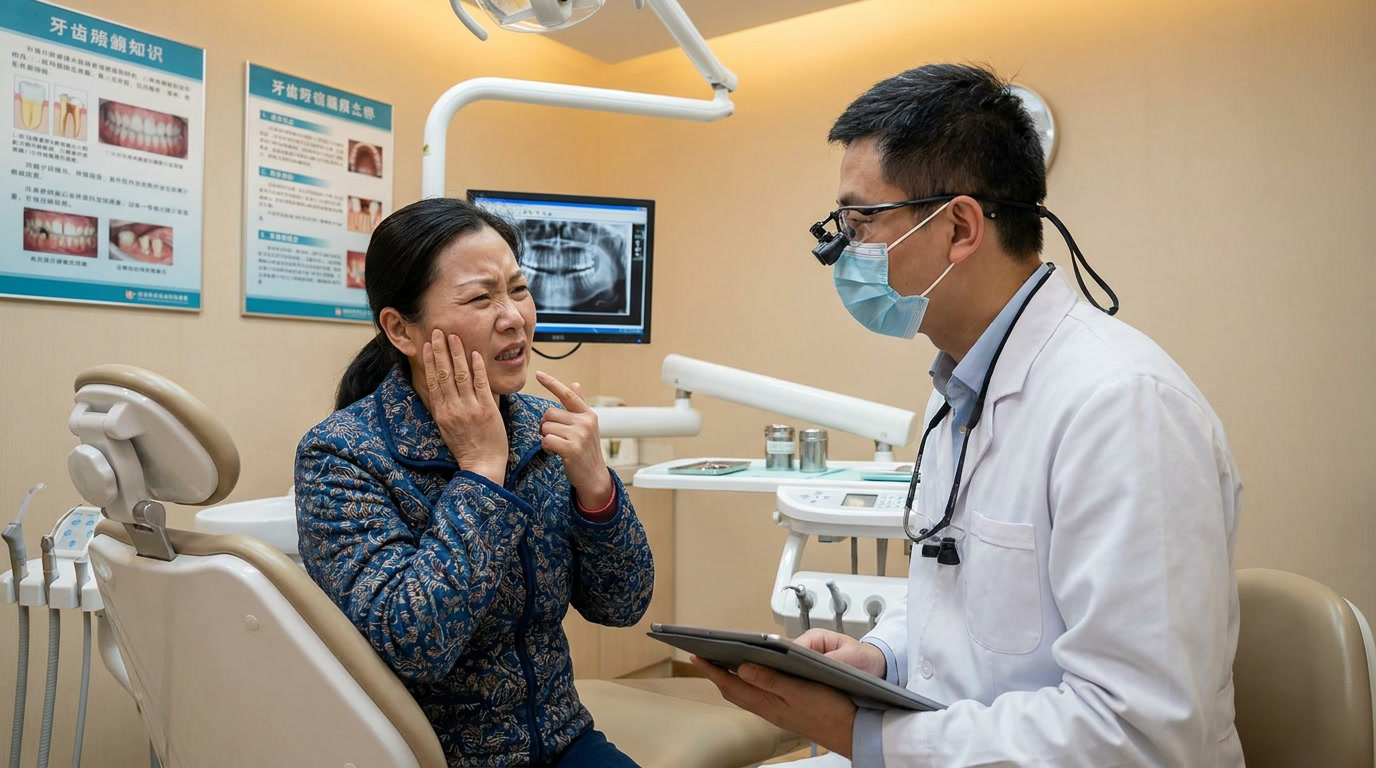
You may not be aware that a cavity is forming. That’s why it’s important to have regular dental checkups and cleanings, even when your mouth feels fine. But if you have a toothache or mouth pain, see your dentist as soon as possible.
Complications
Cavities and tooth decay are so common that you may not take them seriously. And you may think that it doesn’t matter if children get cavities in their baby teeth. But cavities and tooth decay can have serious and lasting complications, even for children who don’t have their permanent teeth yet.
Complications of cavities may include:
- Pain.
- Abscess — a bacterial infection that causes a pocket of pus to form in a tooth.
- Swelling or pus around a tooth.
- Damage or broken teeth.
- Chewing problems.
- Positioning shifts of teeth after tooth loss.
When cavities and decay become serious, you may have:
- Pain that makes it hard to live your daily life.
- Weight loss or nutrition problems because it’s painful or difficult to eat or chew.
- Tooth loss, which may affect your appearance, confidence and self-esteem.
- In rare cases, a tooth abscess, which can lead to more-serious or even life-threatening infections.
Good oral and dental hygiene can help keep you from getting cavities.