
Periodontal Disease (Gum Disease)
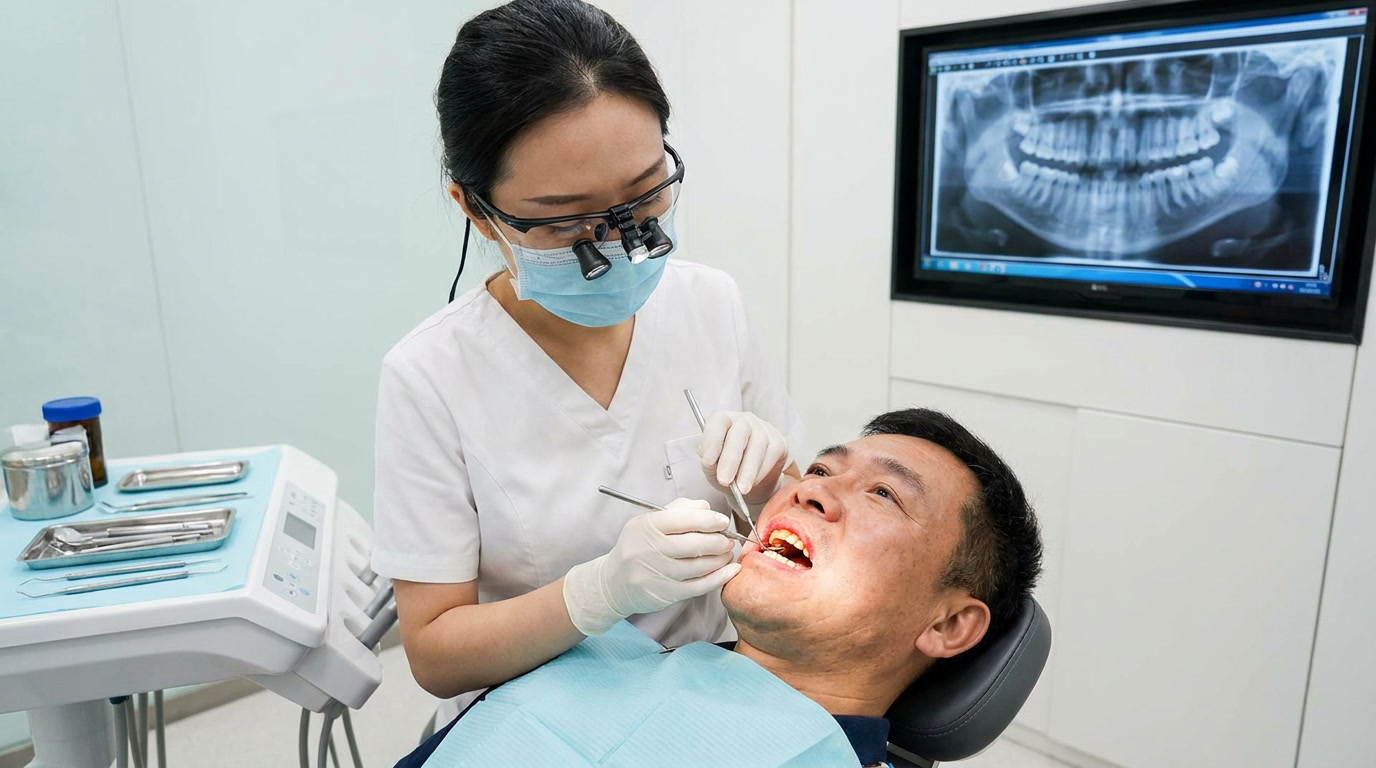
Periodontal disease is inflammation and infection of your gums and the bone that supports your teeth. It can be a result of poor hygiene, but some people are more prone to this type of infection. Symptoms may include bad breath, loose teeth and bleeding, swollen gums. There are many treatments available, depending on the severity of disease.
Periodontal disease stages
Healthy gums are firm to the touch. They don’t bleed or swell. But periodontal disease can cause discolored (reddish or purplish), swollen, bleeding gums. Left untreated, gum disease can cause destruction of your underlying jawbone, leading to possible tooth loss.
The breakdown of tissues around your teeth happens gradually. In fact, most people don’t experience pain with gum disease — especially during the early stages. So, it’s important to know the warning signs.
There are four stages of gum disease:
- Gingivitis. This is the earliest stage of gum disease. It starts with red, puffy gums that may bleed when you brush or floss. At this stage, there’s no bone loss. As a result, gingivitis is totally reversible with proper treatment.
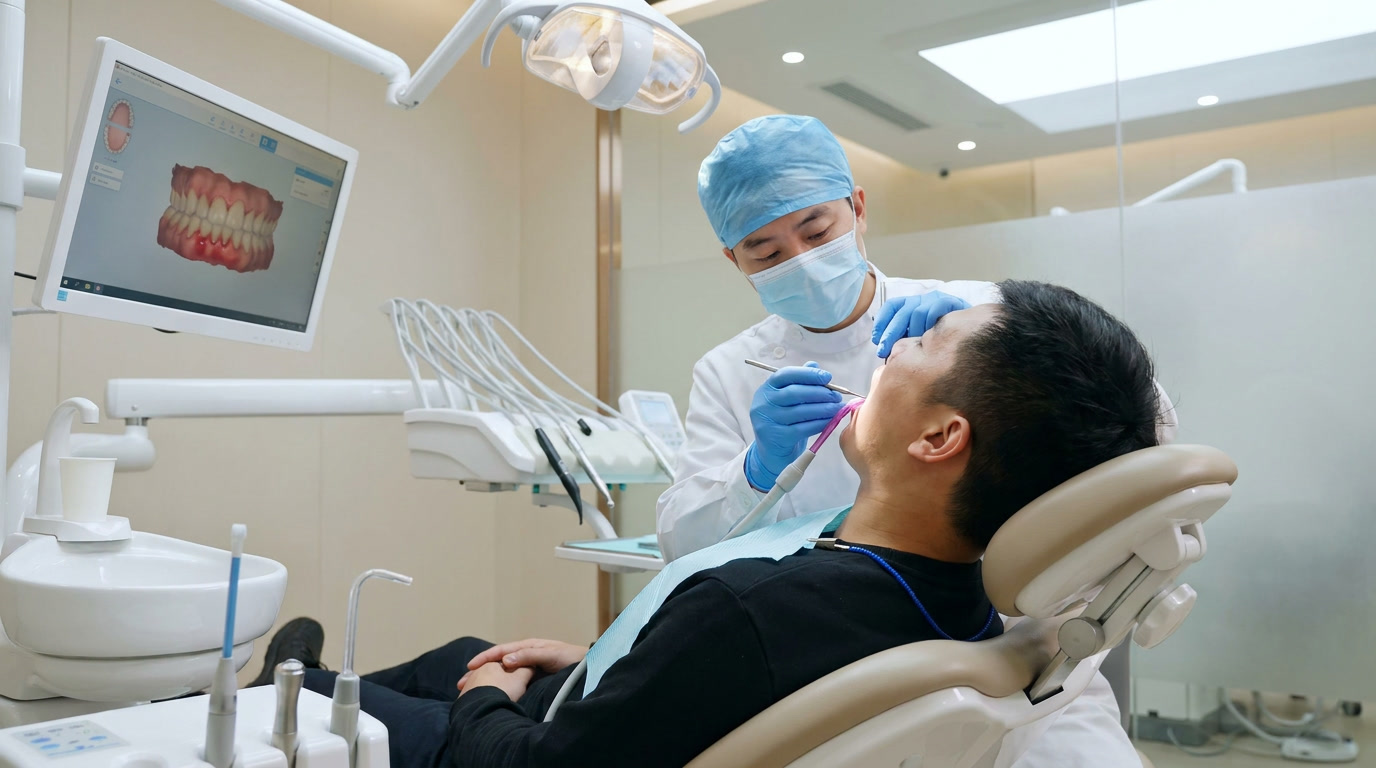
- Mild periodontitis. The bacteria have seeped beneath your gums, affecting the supporting bone. Your gums may pull away from your teeth, creating pockets around them. Plaque and bacteria like to hide in these pockets, where your toothbrush and floss can’t reach.
- Moderate periodontitis. Left untreated, bacteria begin to erode the ligaments, soft tissues and bone that hold your teeth in place. You may notice bad breath and pus (infection) around your gum line. Some people develop pain at this stage.
- Advanced periodontitis. As periodontal disease worsens, bone loss continues. This can cause your teeth to become loose and eventually fall out.
When treated early enough, gum disease is reversible. But if you’ve already lost bone around your teeth due to infection, the disease is too advanced to reverse. However, you can manage it with proper treatment and consistent, diligent oral hygiene.
What are the complications of periodontal disease?
Unless you get treatment, gum disease continues to worsen, wreaking havoc on your oral health. It leads to a vicious cycle of infection that can end in tooth loss.
Research has also proven that gum disease has a direct impact on your overall health and well-being. There’s a link between gum disease and other health issues like heart disease, stroke and diabetes.
Diagnosis and Tests
How do dentists diagnose periodontal disease?
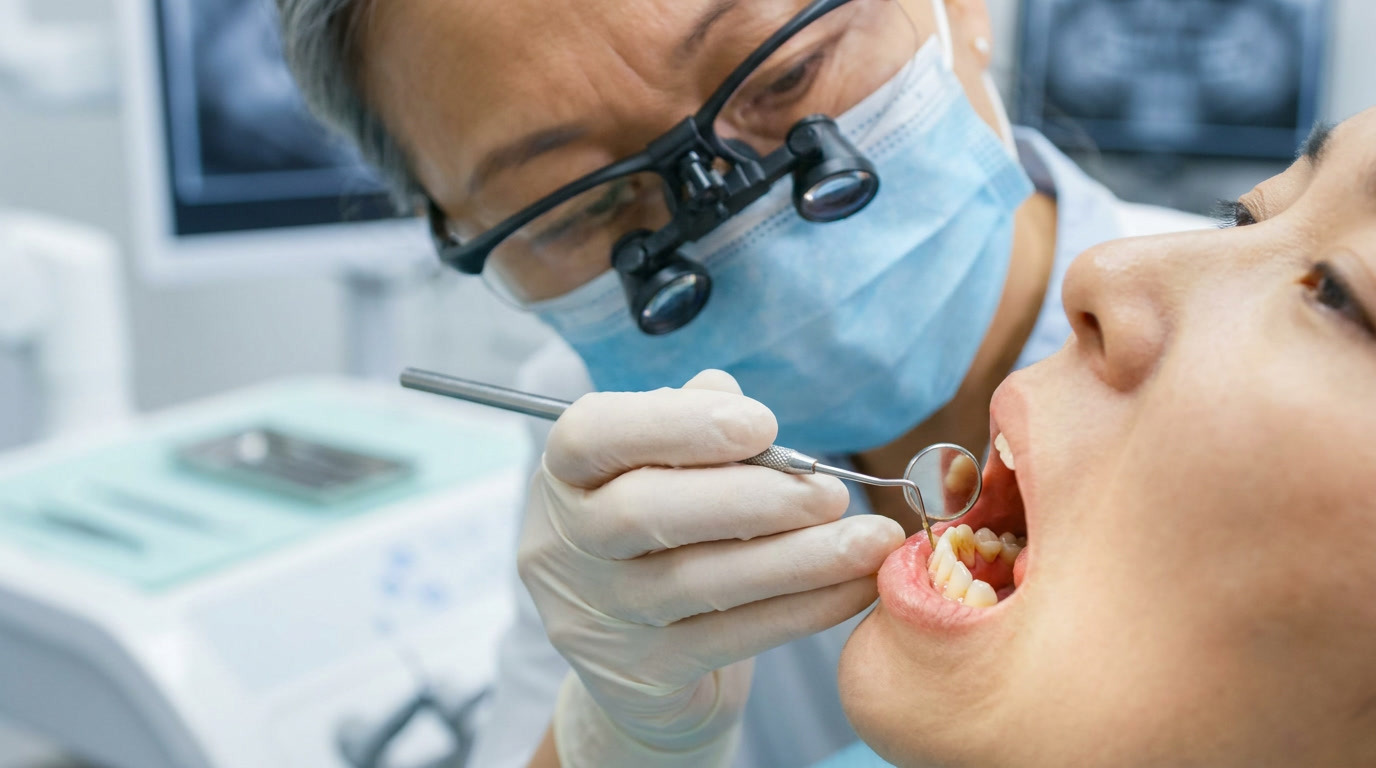
A dentist can tell you if you have gum disease during a routine examination. They’ll look for plaque buildup on your teeth and ask you about your symptoms. They may refer you to a periodontist (gum specialist) for further evaluation and treatment.
A dentist or periodontist will measure the pockets around your teeth using an instrument called a periodontal probe. This tells them how much bone you’ve lost around your teeth. The deeper the pockets, the more severe the gum disease you have. Your periodontist will check your bite, how loose your teeth are and how much your gums are pulling away from your teeth (receding).
Additionally, they’ll take dental X-rays. These images show the areas of bone loss in detail. They can also look at older X-rays to see how your bone has changed over time.
Outlook / Prognosis
What’s the outlook for people with periodontal disease?
Periodontal disease isn’t life-threatening. But it can lead to other health conditions that may require treatment, especially if the infection spreads to other areas of your body.
Gum disease isn’t curable. But it’s manageable with proper treatment. If you have gum disease, early detection and treatment can help you better manage your oral health.