
Importance of Dental X-Rays in Oral Health
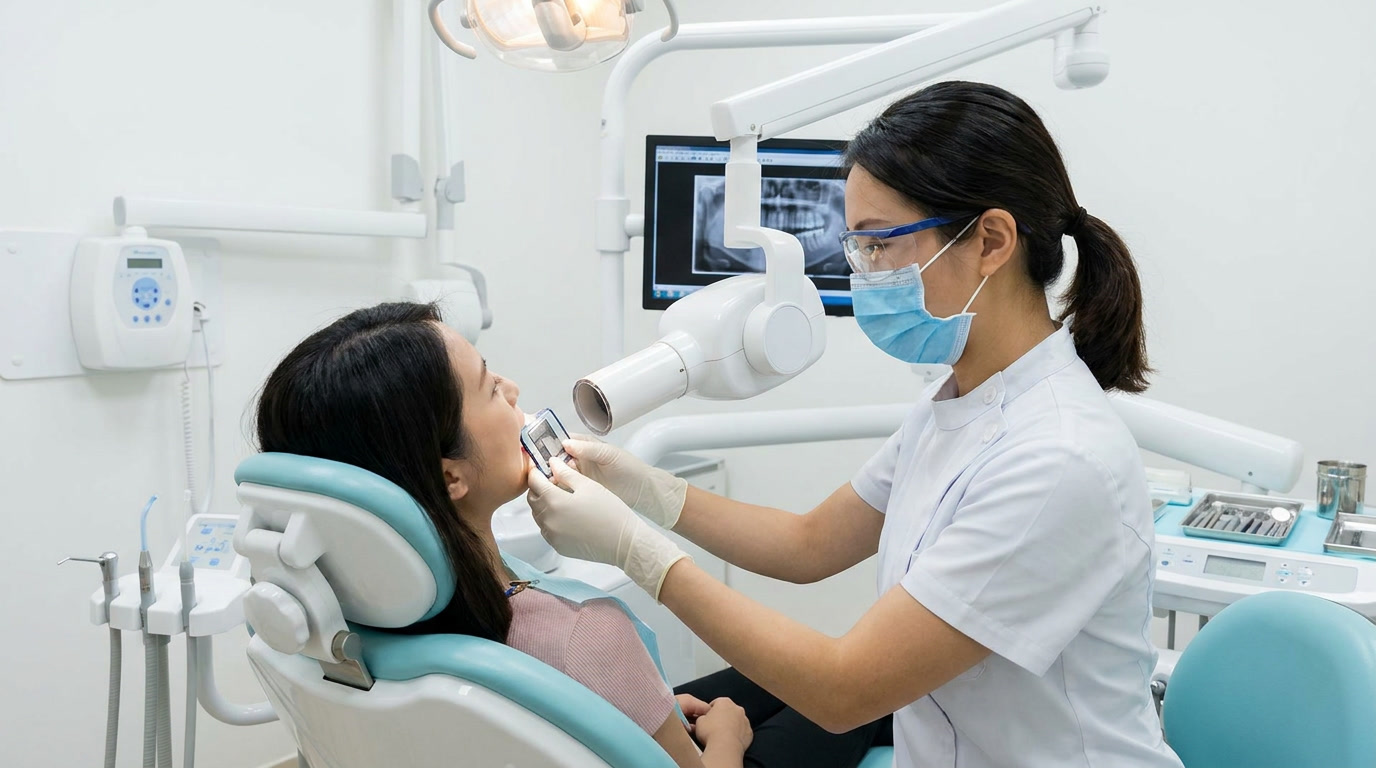
Dental x-rays are images of the teeth and mouth used to diagnose hidden issues like cavities, bone loss, and tumors that aren’t visible during a standard exam. Common types include bitewings (to check between teeth), periapicals (to see a complete tooth and root), and panoramic (a full-mouth view).
How Often Are X-Rays Needed?
Everyone’s oral health varies. Some people who have recently been diagnosed with gum or dental disease might need X-rays every six months, while others who don’t have ongoing dental treatment may need to get an X-ray only once every couple of years. If you’re a new patient and haven’t gotten an X-ray done recently, your new dentist may recommend a panoramic X-ray to assess the state of your oral health.
What Do Dental X-Rays Show?

Dental X-rays can show:
- Small areas of decay between teeth
- Decay beneath fillings
- Cysts and other types of tumors
- Bone loss in the jaw due to periodontal disease
- The position of teeth to determine what kind of tooth implant, braces, or dentures are required
Preparing for dental X-rays
Dental X-rays require no special preparation. The only thing you’ll want to do is brush your teeth before your appointment. That creates a more hygienic environment for those working inside your mouth. X-rays are usually done before cleanings.
At the dentist’s office, you’ll sit in a chair with a lead vest across your chest and lap. The X-ray machine is positioned alongside your head to record images of your mouth. Some dental practices have a separate room for X-rays, while others perform them in the same room as cleanings and other procedures.
Types of X-Rays
There are many types of dental X-rays, but bitewing, periapical, and panoramic radiographs are the most common ones. Bitewing X-rays are done to locate early signs of decay between back teeth or bicuspids (teeth in front of the molars). Periapical X-rays are useful for focusing on just one or two teeth. A panoramic X-ray is used to show the entire mouth in one image. It’s taken from outside of your mouth and can help identify issues like cysts, jaw disorders, or bone irregularities.
Other radiographs include occlusal X-rays, cephalometric X-rays, and cone-beam computed tomography.
After dental X-rays
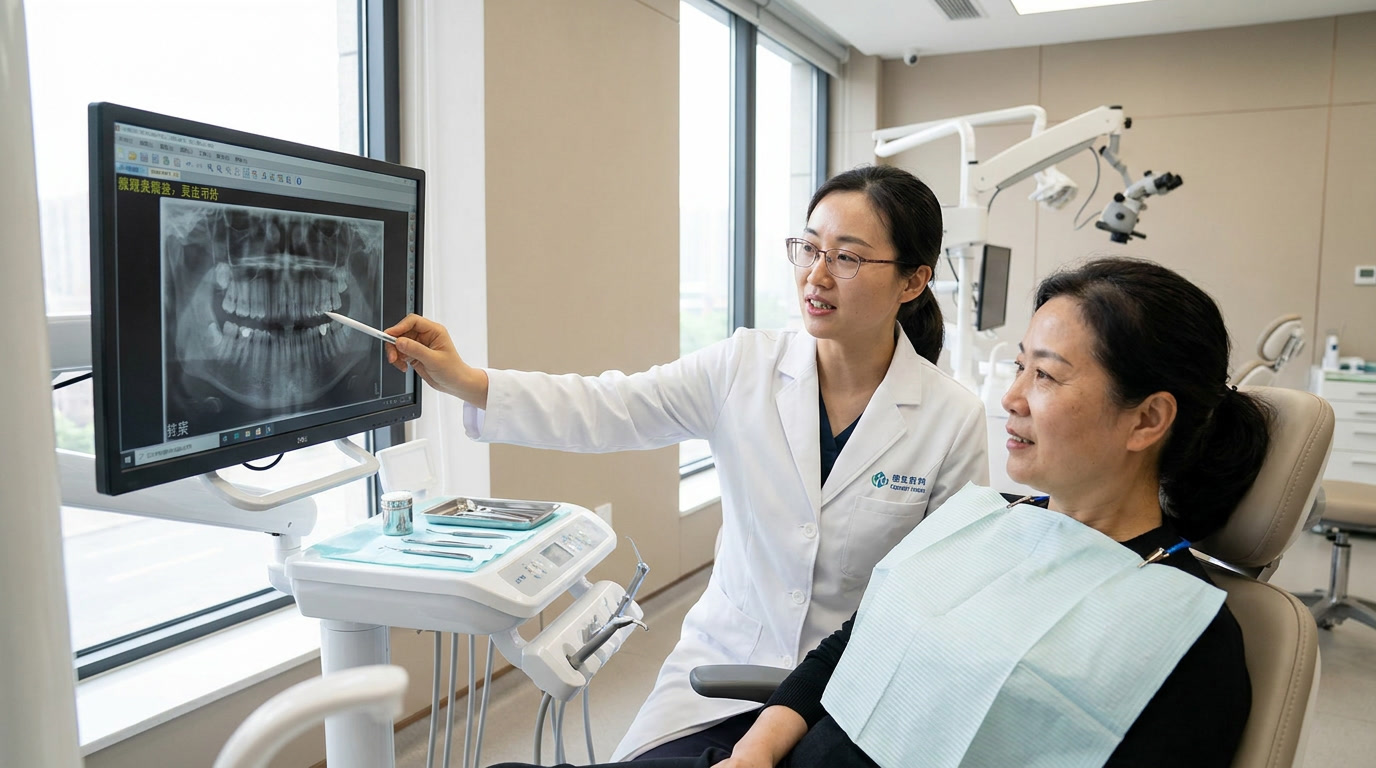
When the images are ready — instantly in the case of digital X-rays — your dentist will review them and check for abnormalities.
If a dental hygienist is cleaning your teeth, the dentist may go over the results of the X-rays with you after your cleaning is done. The exception is if the hygienist discovers any significant problems during the X-rays.
If your dentist finds problems, like cavities or tooth decay, they’ll discuss your treatment options. If your dentist finds no problems, keep up the good work!