Oral Prophylaxis: Why This Preventive Dental Visit Matters
Maintaining a healthy smile goes beyond daily brushing and flossing. One essential part of preventive dentistry is oral prophylaxis, a routine professional cleaning designed to keep your teeth and gums in great condition. While it may sound like a technical term, oral prophylaxis simply refers to a preventive dental procedure that helps stop oral problems, such as cavities, gum disease, and infections, before they develop.
Explaining Oral Prophylaxis
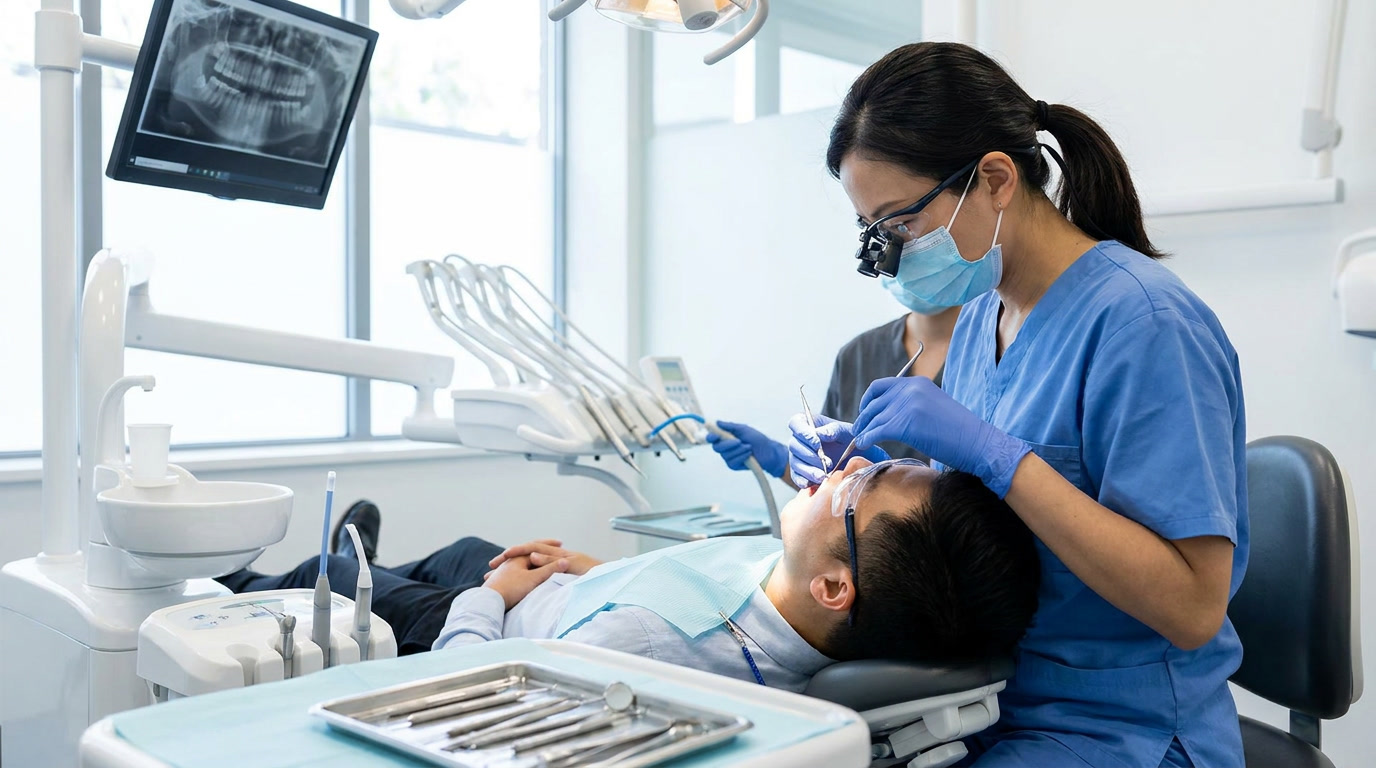
Oral prophylaxis is more than a quick cleaning. It is a professional service performed by a dentist or dental hygienist that involves removing plaque, hardened tartar, and surface stains. This procedure also includes a full oral examination to ensure your mouth is free from early signs of concerns like gingivitis, dental caries, or oral infections. Depending on your needs, your dentist may recommend polishing, fluoride application, or even dental X-rays during your visit.
Typically recommended every six months, oral prophylaxis is considered a core component of routine dental care. It helps maintain strong teeth, healthy gums, and fresh breath, making it an essential habit for long-term oral wellness.
How Oral Prophylaxis Differs From Deep Cleaning
Many people confuse oral prophylaxis with deep cleaning, but the two procedures serve different purposes.
Oral prophylaxis is preventive. It focuses on cleaning above the gumline, keeping the mouth healthy when the gums and bones are in good condition. Deep cleaning, also known as scaling and root planing is a treatment for patients who already have gum disease. This procedure involves cleaning both above and below the gumline to remove bacteria and buildup that have caused inflammation or bone loss.
If your gums are healthy, routine oral prophylaxis is all you’ll need. If there are signs of periodontal disease, your dentist may recommend a deep cleaning instead.
What Happens During an Oral Prophylaxis Appointment
A typical session may include a combination of the following steps:
- Full dental examination: The dentist checks for cavities, gum inflammation, infections, or abnormalities in the mouth.
- Scaling: Plaque and tartar are carefully removed from the teeth using specialized instruments.
- Tooth polishing: A gritty polishing paste smoothens the enamel and removes surface stains.
- Flossing: Professional flossing helps remove debris between teeth and checks for bleeding or sensitivity.
- X-rays (if needed): These can reveal hidden issues such as decay between teeth or early bone loss.
- Fluoride or sealants: Fluoride strengthens enamel, while sealants protect molars from decay.
Your dentist may tailor the steps based on your age, oral health, and how long it’s been since your last cleaning.
Oral Prophylaxis for Children
Preventive dental care is especially important for kids. Tooth decay is one of the most common childhood health issues, and early dental visits help children get comfortable in the dentist’s chair. Oral prophylaxis for kids can include fluoride treatments and sealants, which lower the risk of cavities in growing teeth. Starting regular cleanings as early as the first birthday promotes strong oral habits that last into adulthood.
Benefits of Consistent Oral Prophylaxis
Routine oral prophylaxis offers multiple advantages, including:
- Cleaner, smoother teeth free from plaque and tartar
- Fresher breath by removing bacteria that cause odors
- Brighter smile through professional polishing
- Lower risk of cavities and gum disease
- Reduced likelihood of tooth loss and costly future treatments
- Early detection of oral cancer, decay, or gum infection
Preventive care is always more affordable—and more comfortable—than treating advanced oral problems.
Is Oral Prophylaxis Effective for Long-Term Health?
Studies show that regular professional cleanings significantly lower the risk of gum disease and tooth decay. Although not every visit requires X-rays or fluoride, your dentist will guide you based on your oral health history. Flossing remains a crucial daily habit, as it removes buildup in areas your toothbrush can’t reach and even supports overall health by reducing harmful bacteria linked to inflammation.