Oral Prophylaxis and Why It Matters
Oral prophylaxis is one of the most essential steps in maintaining a healthy mouth, yet many people only think of it as “a regular cleaning.” In reality, this preventive dental care routine plays a major role in protecting your teeth, gums, and overall health. Since oral health is closely linked to chronic conditions like heart disease and diabetes, keeping your mouth clean is about your well-being.
What Oral Prophylaxis Really Involves
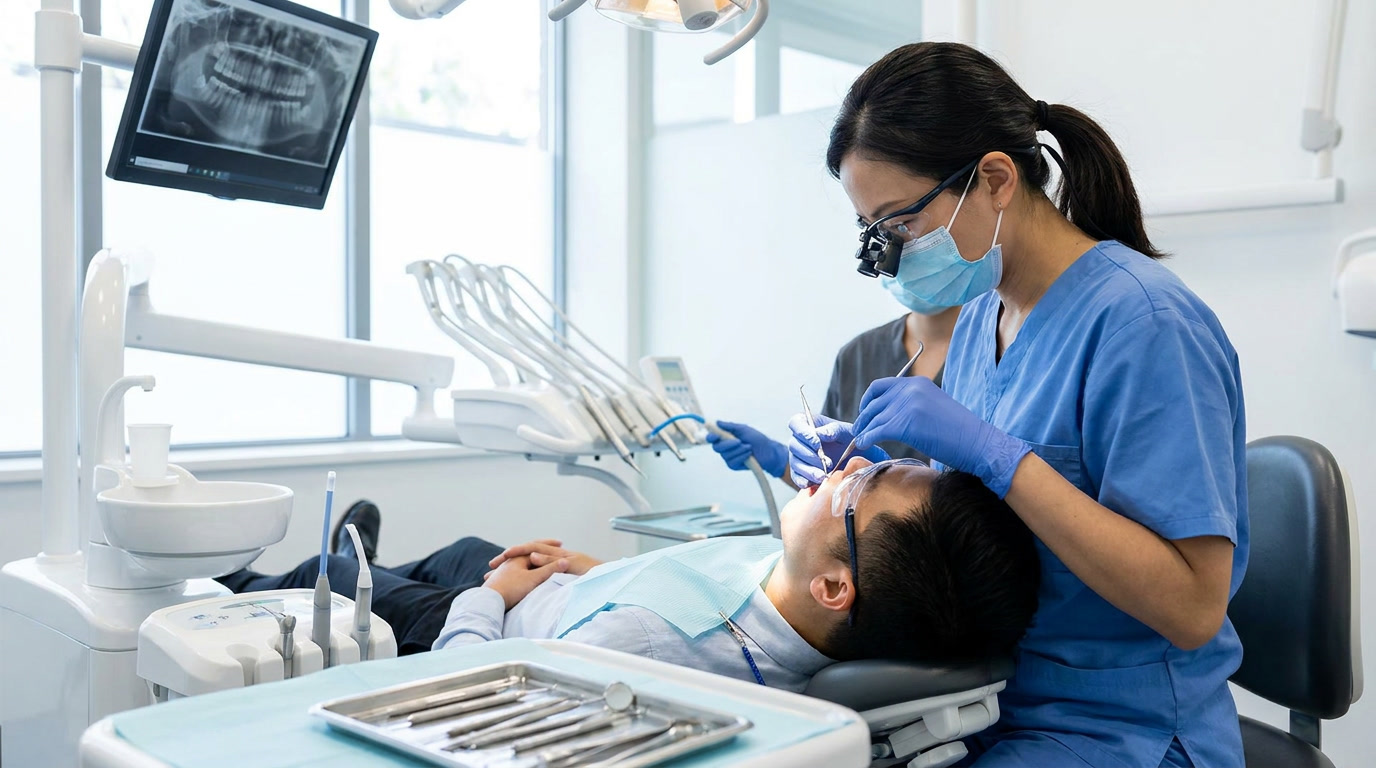
At its core, oral prophylaxis focuses on prevention. It includes routine dental visits where a dentist or hygienist examines your mouth, cleans away plaque, removes tartar, and catches early signs of dental issues. These appointments usually take around an hour and help stop problems like cavities, gum disease, and tooth loss before they start.
During a typical session, your dentist may:
- Inspect your teeth and gums for signs of decay or inflammation
- Remove plaque and hardened tartar
- Polish your teeth to smooth the enamel
- Take X-rays if needed to detect concerns that aren’t visible
- Give advice on any additional dental work you may need
Since lifestyle habits, food choices, and daily hygiene impact your oral health, regular professional assessments are vital for long-term protection.
The Advantages of Oral Prophylaxis
Consistent oral prophylaxis offers numerous benefits that go far beyond a brighter smile. Here’s how it helps safeguard your teeth and gums:
- Helps Prevent Enamel Damage
Over time, acids from food and drinks can weaken enamel, leading to sensitivity, discoloration, and decay. With routine checkups, your dentist can spot early erosion and guide you on treating or preventing it before it worsens.
- Protects Against Gum Disease
Gum disease often begins silently, with early symptoms like bleeding gums, swelling, or bad breath. Oral prophylaxis removes bacteria and tartar that trigger periodontal issues, helping you maintain healthy gums and avoid more serious complications like receding gums or loose teeth.
- Supports Overall Health
Certain medical conditions show symptoms in the mouth, including diabetes (bleeding gums), HIV (mouth sores), and oral cancer. Regular checkups help detect these early signs, which can lead to quicker diagnosis and treatment.
Oral Prophylaxis vs. Antibiotic Prophylaxis
In rare cases, some individuals may need antibiotics before a dental cleaning. This preventive step—called antibiotic prophylaxis—is usually recommended for people at risk of infective endocarditis or those with certain heart conditions. While much less common today, it’s still used when a dentist believes there’s a risk of bacteria entering the bloodstream and causing complications. Most people, however, do not require antibiotics before a standard cleaning.
What Happens During the Procedure?
A routine oral prophylaxis appointment begins with an examination of your teeth, gums, tongue, and jaw. Your dentist may use X-rays to find issues not visible to the naked eye. Specialized tools are used to remove plaque, while polishing paste smooths and cleans the tooth surface.
Polishing is generally done only when necessary—modern dentistry recognizes that aggressive polishing can wear down enamel, so dentists focus on safety as well as effectiveness.
Before the appointment, brushing and flossing are usually recommended. Afterward, you can return to your regular activities right away.
Maintaining Good Oral Hygiene Between Visits
To keep your mouth healthy after your oral prophylaxis session, dentists recommend:
- Brushing twice daily with fluoride toothpaste
- Flossing at least once a day
- Limiting tobacco and alcohol use
- Visiting the dentist yearly or every six months
- Managing systemic conditions like diabetes that can affect oral health
By following these habits, you help extend the benefits of each cleaning and reduce the chances of developing future dental issues.
Conclusion
Oral prophylaxis is one of the simplest and most effective ways to preserve your smile. With routine cleanings, professional assessments, and good daily habits, you can prevent gum disease, tooth decay, and many other oral health challenges. Visiting your dentist regularly not only protects your teeth, it contributes to better overall health for years to come.