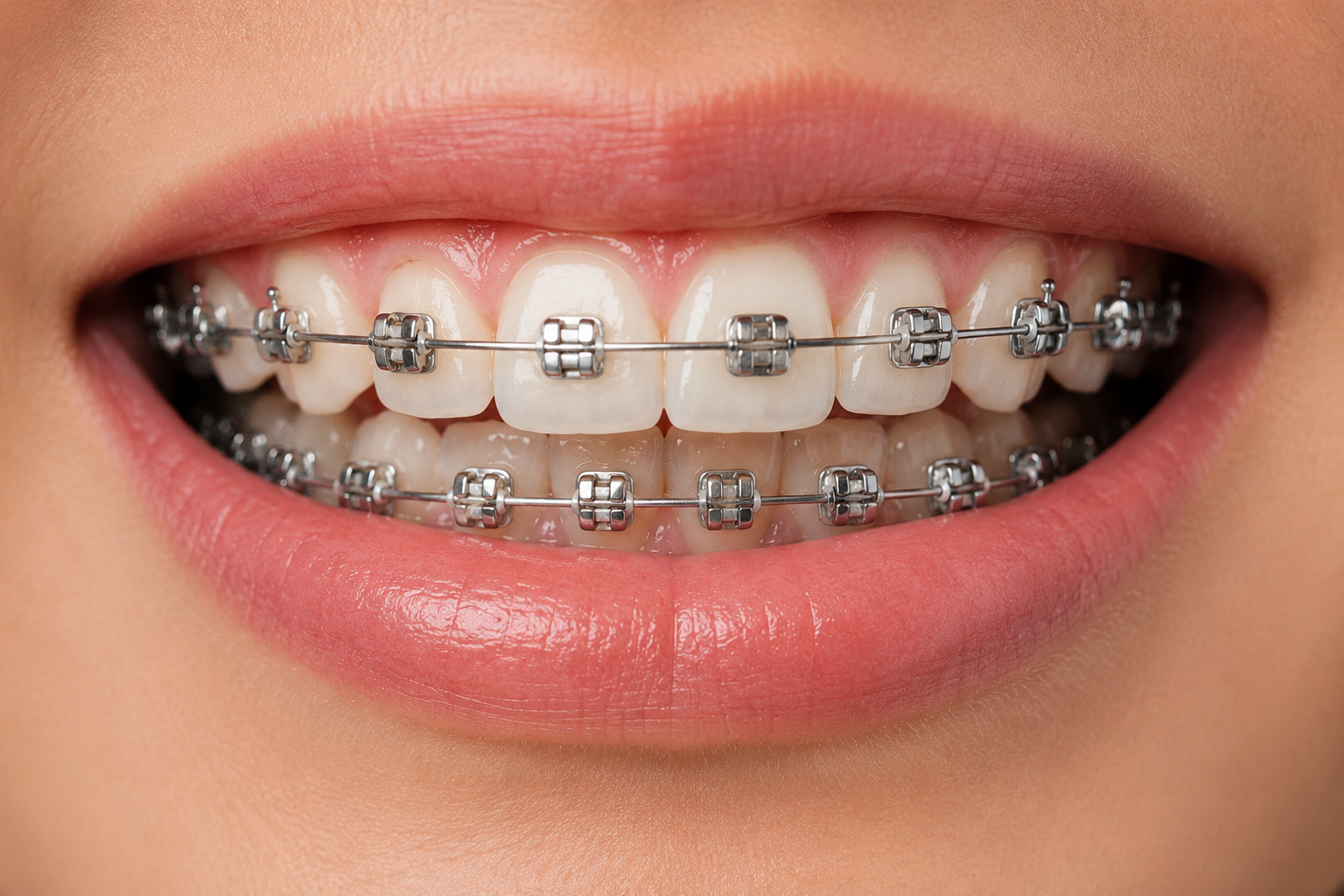
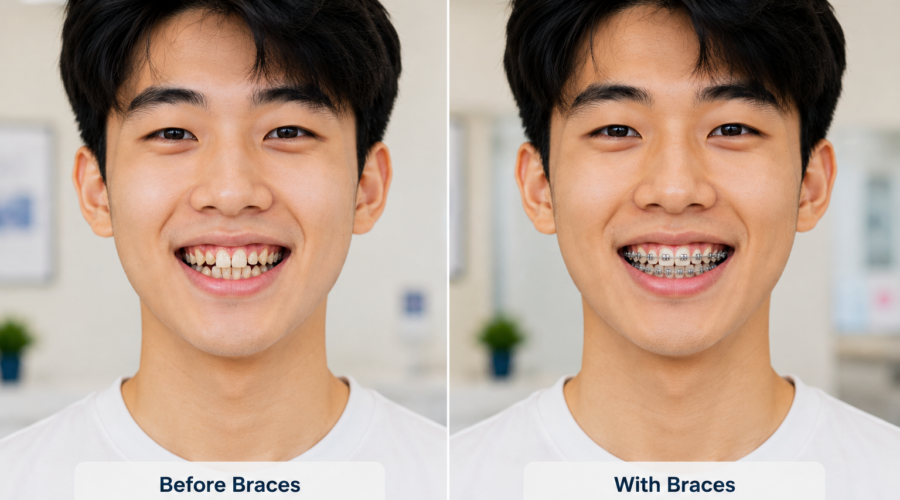
Braces
When it comes to achieving a confident smile, braces remain one of the most effective orthodontic treatments for correcting misaligned teeth and improving bite function. Whether you’re looking to enhance your smile or address orthodontic concerns, braces offer reliable, long-lasting results for patients of all ages.
With advancements in orthodontics, several types of braces are now available, allowing patients to choose an option that best fits their dental needs, lifestyle, and aesthetic preferences.
What Makes Braces Different?
Braces are orthodontic appliances that gradually move teeth into their ideal positions using brackets, archwires, and gentle, continuous pressure. They are available in several forms, each offering unique advantages.
Common types of braces include:
- Metal braces – The traditional and most durable option.
- Ceramic braces – Tooth-colored or clear brackets that blend more naturally with your smile.
- Lingual braces – Attached to the back of the teeth, making them virtually invisible.
- Self-ligating braces – Designed with built-in clips instead of elastic bands, reducing friction during treatment.
Your orthodontist will recommend the most suitable type based on your oral health, treatment goals, and lifestyle.
Common Issues Braces Can Fix
Braces are highly effective in treating a wide variety of orthodontic problems, including:
- Crooked or uneven teeth
- Crowded teeth
- Gaps between teeth
- Overbites
- Underbites
- Crossbites
- Open bites
- Misaligned dental midlines
Correcting these issues not only improves the appearance of your smile but also enhances oral hygiene, chewing efficiency, speech, and overall dental health.
The Treatment Process Explained
Getting braces is a carefully planned process performed by an orthodontic professional.
The treatment typically includes:
- Initial consultation: Your teeth, bite, and overall oral health are examined, and diagnostic images may be taken.
- Treatment planning: Your orthodontist recommends the most appropriate type of braces based on your individual needs.
- Bracket placement: Brackets are bonded to the teeth and connected with an archwire to begin gentle tooth movement.
- Regular adjustments: Follow-up appointments are scheduled every few weeks to adjust the braces and monitor progress.
- Completion and retention: Once the teeth are properly aligned, the braces are removed, and a retainer is usually provided to help maintain the results.
Treatment time varies depending on the complexity of the case but commonly ranges from 18 to 24 months.
Benefits of Choosing Braces
Braces continue to be a trusted orthodontic solution because they provide predictable and long-lasting results.
Key benefits include:
- Effectively straighten teeth and improve bite alignment
- Correct both simple and complex orthodontic problems
- Improve oral function, including chewing and speaking
- Enhance smile appearance and boost self-confidence
- Offer multiple treatment options to suit different aesthetic preferences
- Deliver long-term results with proper maintenance
Whether you choose metal, ceramic, lingual, or self-ligating braces, each option is designed to help you achieve a healthier smile.
Things to Consider Before Choosing Braces
While braces are highly effective, there are several factors to keep in mind before beginning treatment:
- Mild discomfort is common after adjustments.
- Certain foods should be avoided to prevent damage to brackets and wires.
- Daily brushing and flossing require extra care.
- Treatment may last several months to a few years depending on the complexity of your case.
- Some options, such as ceramic braces, may require additional care to prevent staining or chipping.
Understanding these considerations helps ensure a smoother orthodontic experience.
Daily Care Tips for Braces
Maintaining good oral hygiene is essential throughout orthodontic treatment.
Helpful care tips include:
- Brush after every meal using a soft-bristled toothbrush.
- Floss daily with orthodontic floss or floss threaders.
- Avoid hard, sticky, and chewy foods that may damage your braces.
- Limit sugary snacks and beverages to reduce the risk of tooth decay.
- Attend regular orthodontic appointments for adjustments and progress checks.
- Follow all instructions provided by your orthodontist.
Proper care helps protect your teeth and gums while keeping your treatment on schedule.
Is This Treatment Right for You?
Braces are suitable for children, teenagers, and adults who want to improve their smile, correct bite problems, and enhance their overall oral health. Whether you have mild crowding or more complex orthodontic concerns, your orthodontist can recommend the most appropriate type of braces to meet your treatment goals.