Braces Explained: A Reliable Solution for Straighter Teeth
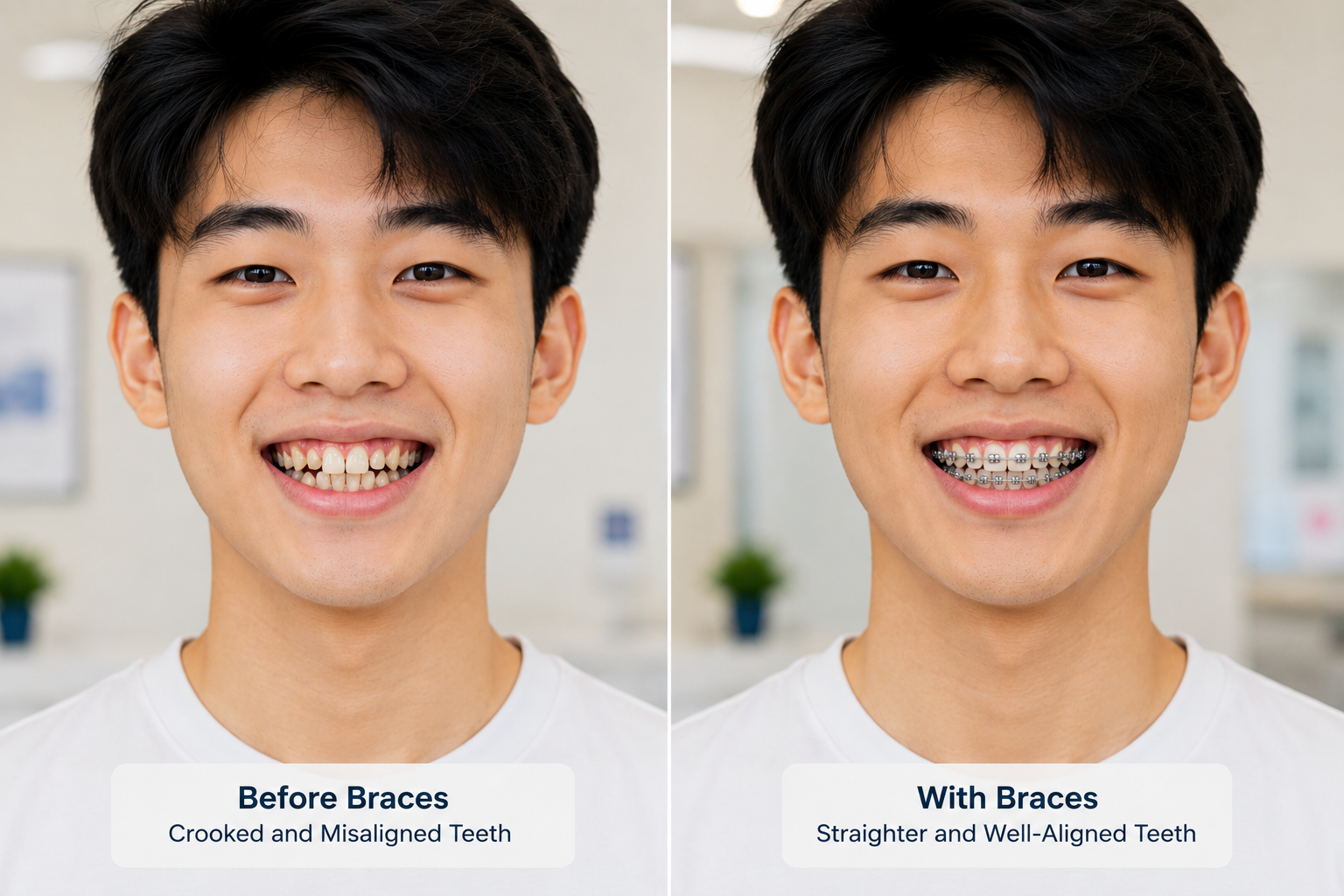
Braces are one of the most effective and trusted orthodontic treatments for correcting misaligned teeth and improving your smile.
Whether you’re dealing with crooked teeth, gaps, overcrowding, or bite problems, braces gradually move your teeth into the correct position to improve both appearance and oral health.
Modern braces come in several styles, allowing patients to choose an option that best suits their needs, lifestyle, and aesthetic preferences.
Understanding Braces
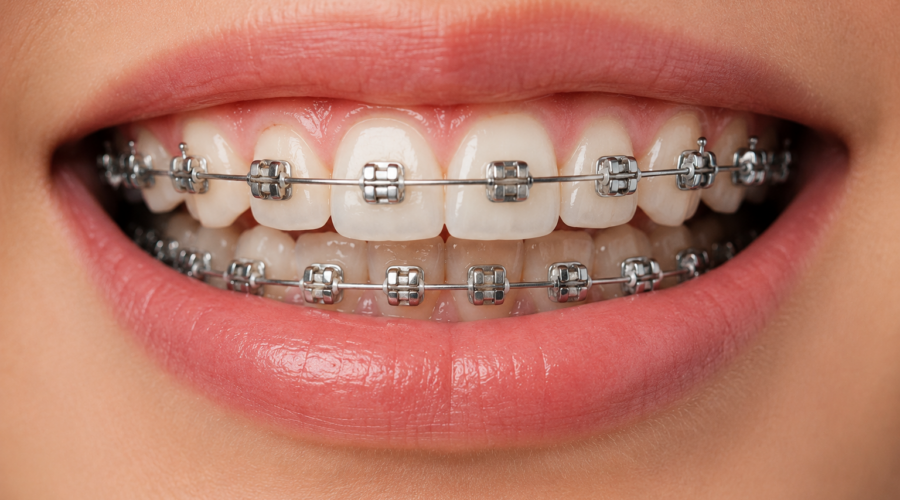
Braces work by applying gentle, continuous pressure to gradually move teeth into proper alignment. The system typically consists of brackets attached to the teeth, connected by an archwire that is adjusted periodically by an orthodontist throughout treatment.
Today, braces are available in different types, including:
- Metal braces – The traditional and most durable option.
- Ceramic braces – Tooth-colored or clear brackets that blend more naturally with your teeth.
- Lingual braces – Attached to the back of the teeth, making them virtually invisible from the front.
- Self-ligating braces – Designed with specialized clips instead of elastic bands, helping reduce friction during tooth movement.
Your orthodontist will recommend the most suitable type based on your dental condition, treatment goals, and lifestyle.
Why Braces Are Popular
Braces remain one of the most reliable orthodontic treatments because they can effectively correct a wide variety of dental alignment issues.
Key benefits include:
- Straighten crooked or crowded teeth
- Close gaps between teeth
- Correct bite problems such as overbite, underbite, crossbite, and open bite
- Improve chewing and speech function
- Enhance overall smile appearance and confidence
- Promote better oral hygiene by making teeth easier to clean
With proper treatment planning, braces provide predictable and long-lasting results for both teenagers and adults.
Limitations to Consider
Like any orthodontic treatment, braces require commitment and regular care throughout the treatment period.
Some considerations include:
- Mild discomfort after adjustments
- Temporary difficulty eating certain hard or sticky foods
- Extra effort is needed to maintain good oral hygiene
- Treatment may take several months to a few years, depending on the complexity of the case
- Certain types of braces, such as ceramic braces, may be more prone to staining or chipping if not cared for properly
Following your orthodontist’s instructions can help minimize these challenges and keep treatment progressing smoothly.
Who Should Consider Braces?
Braces are suitable for children, teenagers, and adults who want to improve their dental alignment and bite.
You may benefit from braces if you have:
- Crooked or crowded teeth
- Gaps between teeth
- Bite problems such as overbite, underbite, crossbite, or open bite
- Teeth that have shifted over time
- Difficulty chewing due to misaligned teeth
An orthodontic consultation can determine whether braces are the most appropriate treatment for your individual needs.
Caring for Your Braces
Maintaining good oral hygiene is essential throughout orthodontic treatment to achieve the best possible results.
Helpful care tips include:
- Brush your teeth thoroughly after every meal.
- Floss daily using orthodontic floss or floss threaders.
- Avoid hard, sticky, or chewy foods that may damage brackets or wires.
- Limit sugary foods and drinks to reduce the risk of tooth decay.
- Attend all scheduled orthodontic appointments for adjustments and progress checks.
- Wear any additional appliances, such as elastics, exactly as instructed.
Proper care helps keep your teeth and gums healthy while ensuring your treatment stays on schedule.
Final Thoughts
Braces remain one of the most effective solutions for achieving a healthier, straighter smile.
With several treatment options available, including metal, ceramic, lingual, and self-ligating braces, patients can choose an approach that matches both their orthodontic needs and personal preferences.
By following your orthodontist’s recommendations and maintaining good oral hygiene, braces can deliver long-lasting results that improve both your smile and overall oral health.