Understanding Tooth Extraction
Tooth extraction is one of the most common dental procedures, yet many people feel anxious when they hear they need one. Whether it’s caused by severe decay, gum complications, overcrowding, or an impacted wisdom tooth, removing a tooth can play an important role in restoring your oral health and preventing further problems. This guide breaks down what tooth extraction involves, why it may be necessary, and how to take care of yourself afterward for a smooth recovery.
What Happens During a Tooth Extraction?
A tooth extraction is performed by a general dentist, oral surgeon, or periodontal specialist depending on how simple or complex the case is. The process usually takes place in a dental clinic, and your dentist will walk you through every step to ensure you’re comfortable.
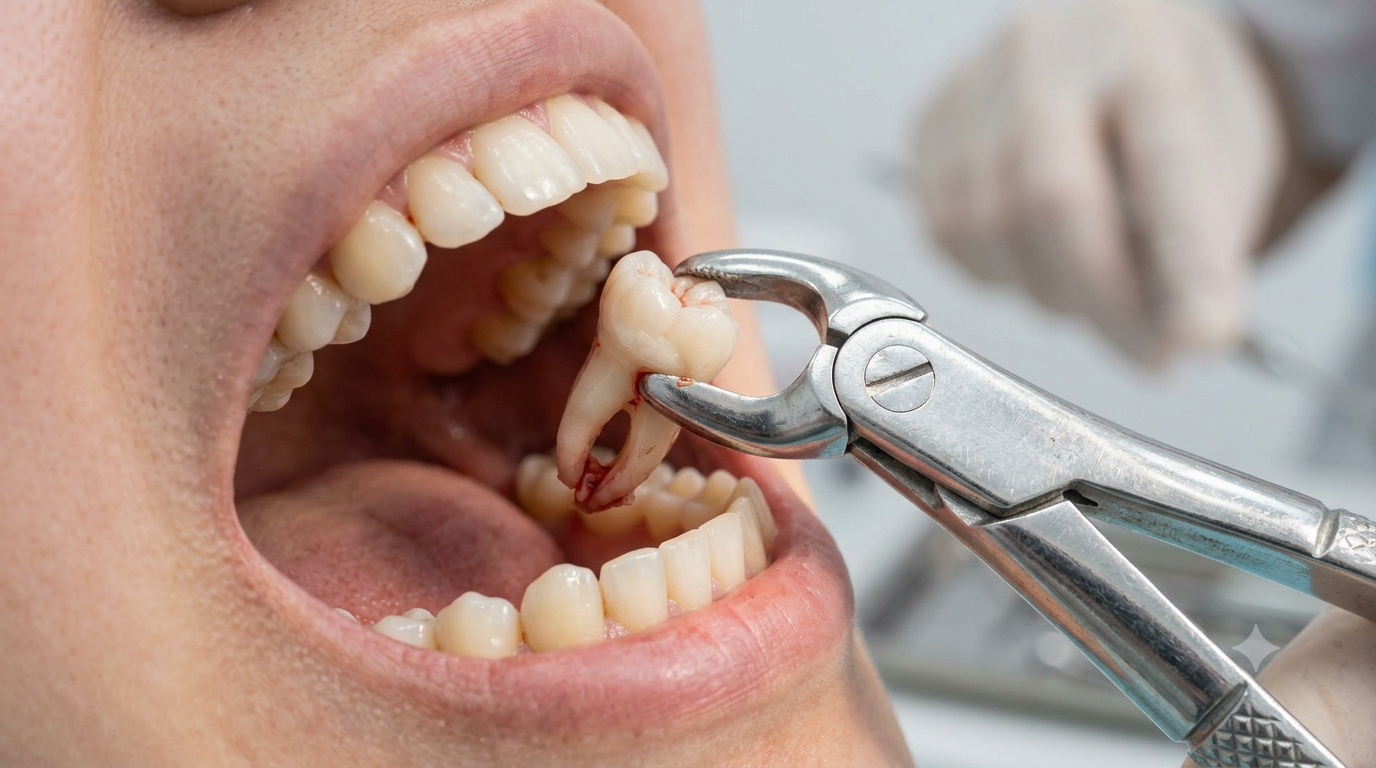
For a straightforward tooth removal, the area surrounding the tooth is numbed using local anesthesia. Once the area is numb, the dentist gently loosens the tooth using an instrument called an elevator. After creating enough movement, the tooth is carefully gripped with forceps and lifted out of its socket. Although you may feel pressure during this process, you should not feel pain.
In more complicated cases, often involving wisdom teeth or deeply impacted teeth—an oral surgeon may use sedation along with anesthesia. This ensures that you’re relaxed or even asleep during the procedure. The surgeon might need to open the gum tissue or remove small sections of bone to access the tooth. If the tooth is difficult to remove in one piece, it may be divided into smaller sections before being removed.
Why a Tooth Extraction May Be Necessary
Dentists only recommend extraction when other treatments can’t save a tooth or when removing it prevents bigger oral health problems. Some common reasons include:
- Severe tooth infection or abscess
- Gum disease that has loosened the tooth
- Teeth that don’t have enough room to erupt properly
- Impaction, especially with wisdom teeth
- Broken or damaged teeth beyond repair
Tooth extraction is often the best way to eliminate pain, prevent infection from spreading, or create space for orthodontic treatment.
Risks
While tooth extraction is safe, like any medical procedure, it carries a few potential risks. Dry socket is one of the most well-known complications and occurs when the protective blood clot inside the socket becomes dislodged.
Other uncommon side effects may include minor infection, nerve irritation, swelling, bruising, or reactions to anesthesia. Your dentist will explain these risks and how to minimize them.
How to Prepare for the Procedure
Before your appointment, your dentist will review your medical history and ask about any medications or supplements you’re taking. Certain health conditions—such as heart issues, liver problems, a weakened immune system, or recent surgeries—may require additional precautions. This step helps ensure a safe extraction experience and reduces the risk of infection.
Caring for Yourself After a Tooth Extraction
Once the tooth has been removed, your dentist will place a piece of gauze over the socket to help a blood clot form. Numbness in the lips and cheeks is normal for several hours. Ice packs can help reduce swelling during the first day.
Pain is expected once the anesthesia wears off, but over-the-counter pain relievers such as ibuprofen usually help. Your dentist may also prescribe medication or antibiotics if needed.
For a smooth recovery:
- Take medicines exactly as instructed
- Avoid smoking and strenuous activity for a few days
- Eat soft foods like yogurt, mashed potatoes, soup, avocado, and similar options
- Do not drink through a straw for at least 24 hours to prevent dry socket
- Brush your teeth gently and avoid the extraction site for the first few days
- Begin rinsing with saltwater only when your dentist instructs you
Most people heal fully within one to two weeks, although the surrounding bone and tissue may take longer to completely recover.