Sedation Dentistry: Safer Way to Get Essential Dental Care
For many people, dental anxiety is more than just nervousness, it’s a barrier that keeps them from getting the care they need. Small concerns turn into major dental problems simply because patients avoid the chair. That’s where sedation dentistry becomes a real game-changer. It’s not about putting someone to sleep for simple procedures; it’s about helping patients stay calm, relaxed, and comfortable enough to receive important treatment.
Sedation dentistry focuses on easing the body’s natural stress response so dental teams can work effectively while patients stay aware, safe, and at ease. Whether through oral sedation, nitrous oxide, or IV sedation, the aim is the same, relief, confidence, and a smoother experience.
A Spectrum of Sedation Options
Not every patient needs the same level of sedation. The method chosen depends on health, procedure complexity, and anxiety level.
Some patients only require nitrous oxide—popularly known as “laughing gas”—to take the edge off. It’s mild, acts fast, and wears off within minutes. Others benefit more from oral sedation, a pill taken before the appointment that brings deeper relaxation and often limits memory of the procedure.
For patients who need stronger relief or have more extensive dental work planned, IV sedation offers a controlled and responsive option. This method allows the dental team to adjust the sedative level instantly, making it one of the most dependable forms of conscious sedation. General anesthesia exists too, but it’s reserved for special cases and typically handled in a hospital or surgical center.
What Sedation Dentistry Actually Feels Like
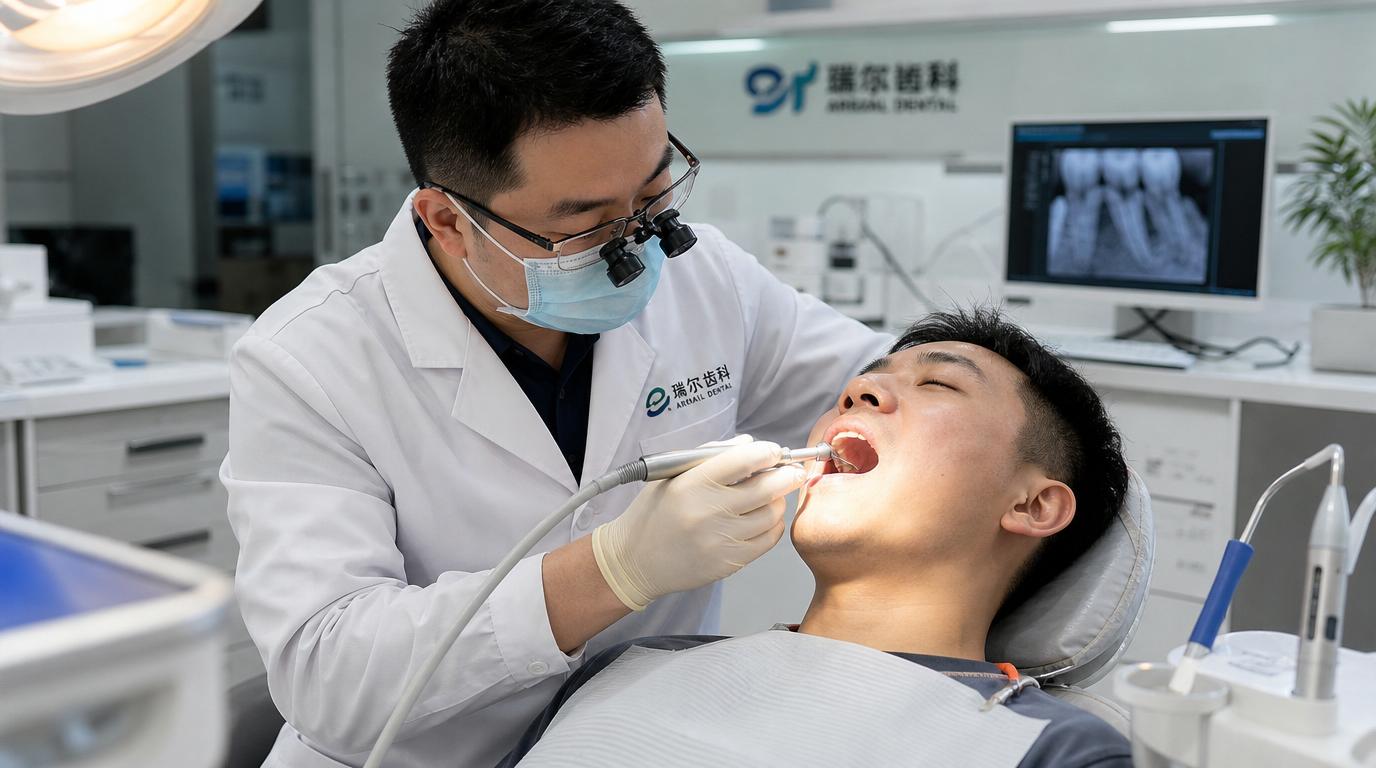
Patients often compare sedation dentistry to drifting into a dream-like state. You remain awake and can follow instructions, but the anxiety melts away. Sounds feel distant, and time passes quickly. Many patients don’t remember much of the procedure afterwards, which is one of the biggest benefits for those with severe dental fear.
This “twilight” experience helps patients relax naturally. You aren’t unconscious; you’re simply comfortable enough to stay calm while essential dental work happens.
Why Patients Choose Sedation Dentistry
The biggest advantage is reducing fear, but there’s more. Sedation dentistry can:
- Help patients who struggle with a sensitive gag reflex
- Allow longer or multiple treatments to be completed in one appointment
- Make complex procedures feel quicker
- Support patients with special needs or conditions that make sitting still difficult
By minimizing anxiety and increasing comfort, sedation dentistry lets the dentist work efficiently while keeping patients safe and relaxed.
Safety First: Monitoring and Preparation
Sedation dentistry follows strict safety protocols. Before treatment, patients share full medical histories, including supplements or medications they take. This information helps determine the safest sedation option.
During the appointment, a trained dental professional continuously monitors breathing, vitals, and overall response. For deeper sedation levels, a dental anesthesiologist may be present to focus solely on the patient’s physical safety while the dentist completes the procedure.
After treatment, it’s normal to feel tired or disconnected for several hours. This is why patients need a responsible adult to drive them home and remain with them as they rest.
Costs and Insurance Considerations
Coverage for sedation dentistry varies significantly. Some insurers include sedation for surgical or medically necessary procedures, while others consider it optional. Patients are encouraged to contact their insurance providers beforehand to understand coverage, additional fees, and pre-authorization requirements. Many dental practices offer financing options, ensuring this essential service remains accessible.
Is Sedation Dentistry Right for You?
It’s ideal for patients with dental anxiety, difficulty remaining still, a strong gag reflex, or complex treatment plans. However, certain medical conditions or medications may limit eligibility. A consultation with a trained dental professional helps determine the safest and most effective option.
最後想說的話
Sedation dentistry isn’t about luxury, it’s about accessibility. It bridges the gap between fear and needed treatment. Whether through mild relaxation or deeper sedation, it provides a safe opportunity for patients to finally prioritize their oral health. If dental appointments have been a challenge, this may be the step that transforms your experience and protects your long-term wellbeing.