
From Infection to Recovery: How to Prevent and Treat Gum Disease
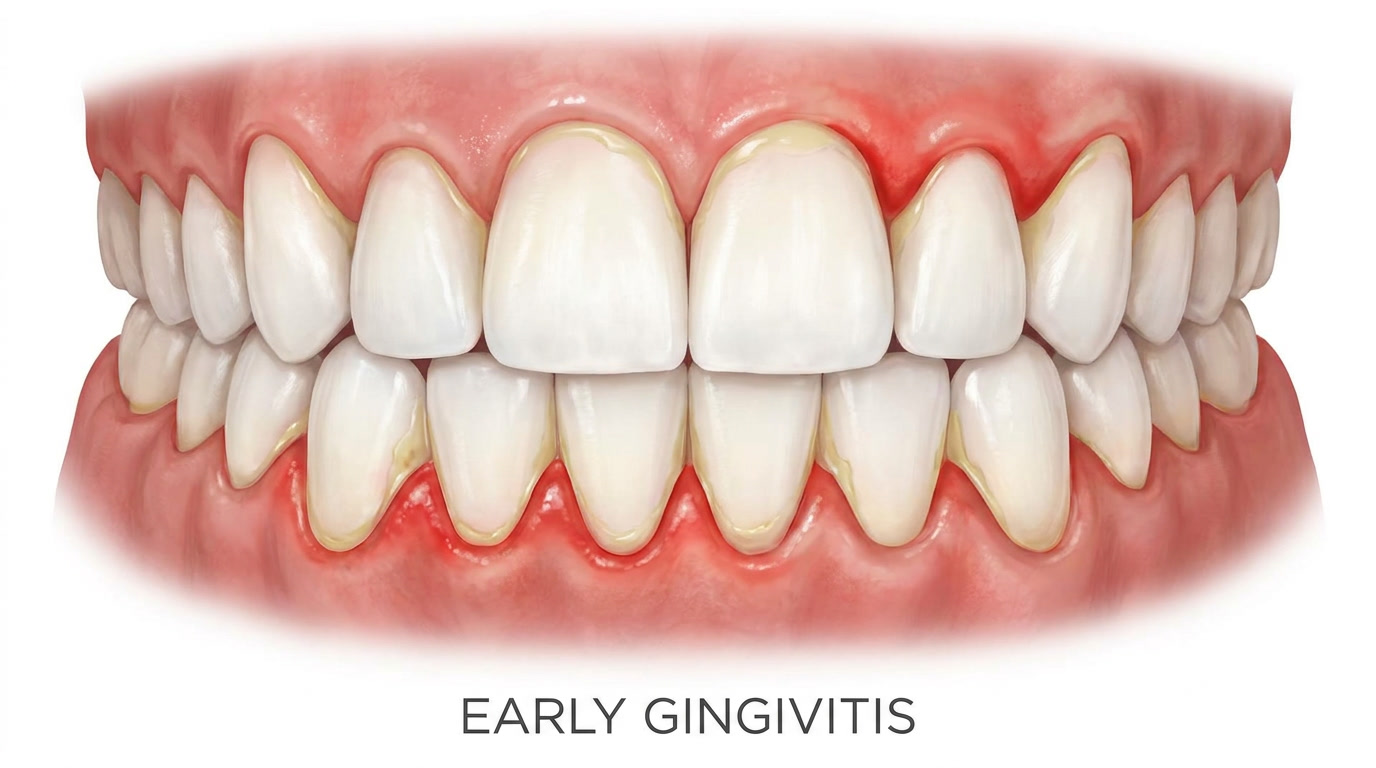
A gum infection is a harmful infection in the mouth that causes damage and inflammation in the gums and jaw. Knowing what to do for a gum infection can help to avoid complications.
Gum infections generally arise from poor dental hygiene over time, as this can allow bacteria to become lodged between the gums and teeth, where it will grow freely. However, several other factors play a role in gum infections and gum disease.
Working with a dentist to prevent or treat gum infections is important to avoid complications. Anyone who suspects that they have a gum infection should see their dentist.
Causes
A gum infection is an accumulation of bacteria in the tissue around the teeth.
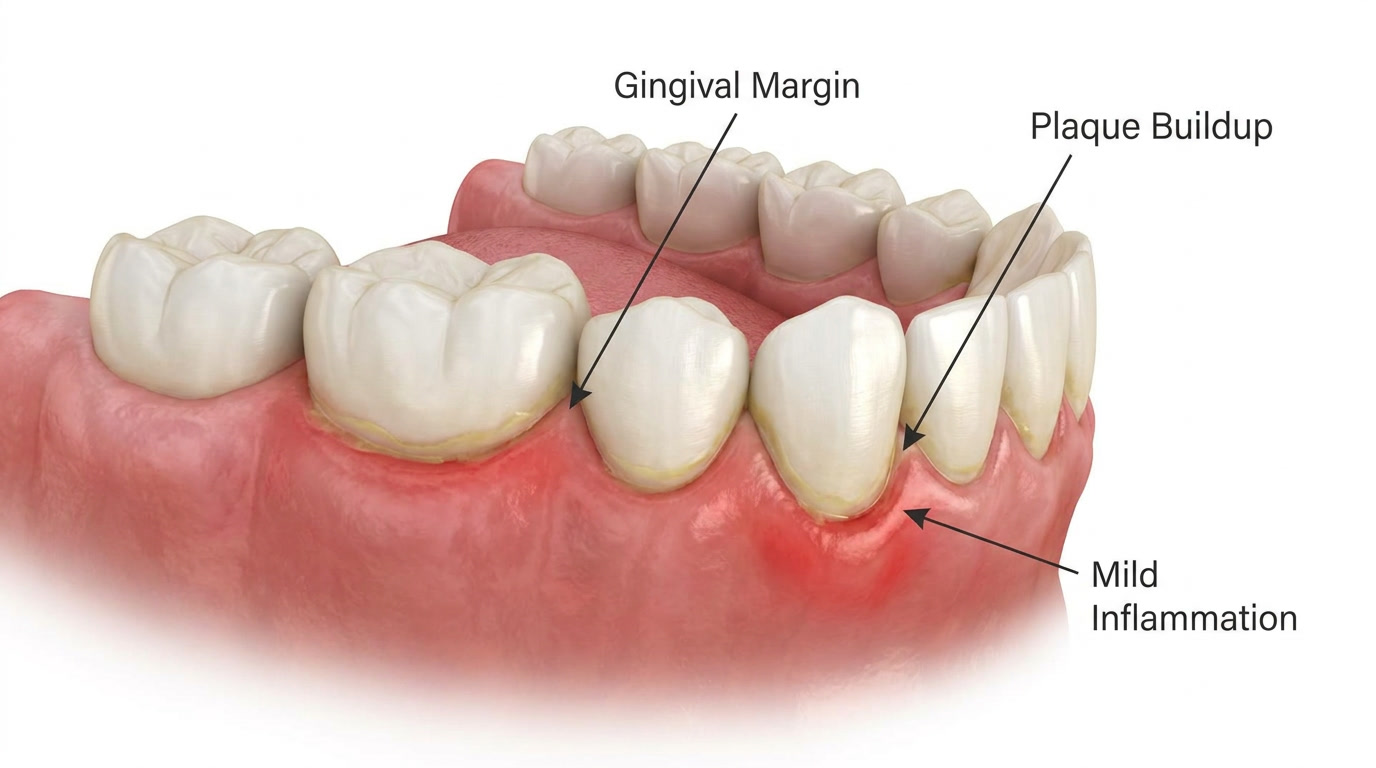
The mouth is full of different types of bacteria. Daily hygiene practices, including brushing and flossing the teeth, help controlTrusted Source levels of bacteria, keeping the mouth, teeth, and gums healthy and preventing tooth decay. Without these efforts, bacteria form a film around the teeth called plaque. If a person does not clean off plaque, it can harden and turn into tartar, which is very hard to remove.
The buildup of tartar makes it more difficult to clean the teeth, which makes it even easier for bacteria to invade the area around the teeth and gums. The buildup of the bacteria under the gumline can easily lead an area to become infected.
It is oral hygiene practices that helpTrusted Source clear out this bacteria to prevent infection. Therefore, poor oral hygiene directly contributes to tooth decay and oral disease. The National Institute of Dental and Craniofacial ResearchTrusted Source note that smoking is the most significant other risk factor for gum disease in general. Additionally, smoking may make treatments less effective.
Other risk factors that may contribute to gum infections include:
- diabetes
- hormonal changes in women, such as those during pregnancy
- genetics
- stress
- crooked teeth
- medications that make the mouth dry or slow the flow of saliva
- immunodeficiency
In some cases, oral devices may contribute to risk as well. For instance, dentures or bridges that do not fit properly can be problematic, as can dental fillings that are defective.
How is periodontal disease treated?
There are several periodontal treatments available. The one that’s right for you depends on the severity of your condition and a number of other factors, including:
- Your health.
- Whether you smoke.
- What treatments you’ve had in the past.
Dental cleaning and improved oral hygiene
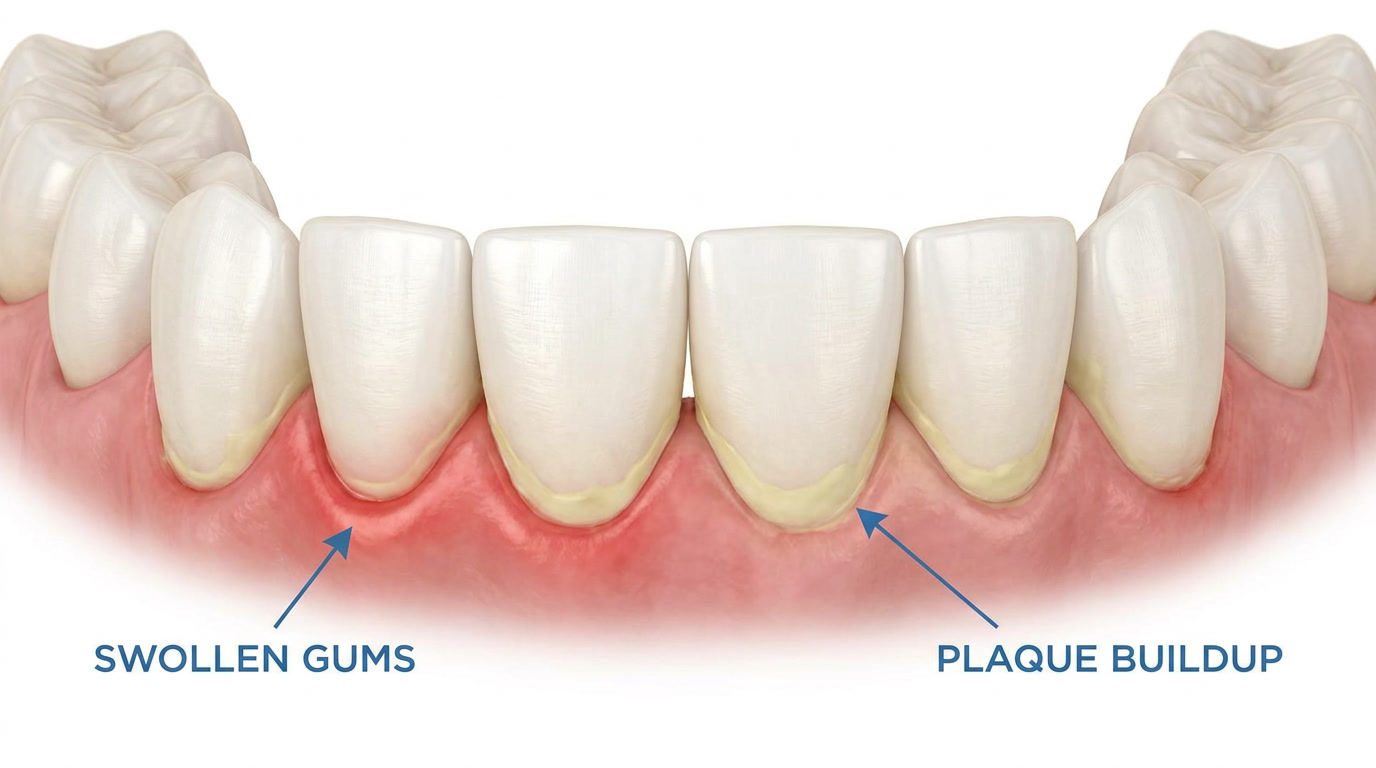
People who have very early periodontal disease (gingivitis) may be able to reverse the condition with routine dental cleaning and improved oral hygiene. Because there’s no bone loss yet, this conservative approach gets rid of harmful oral bacteria before the disease has a chance to progress.
Proper oral hygiene includes brushing two to three times a day, flossing daily and visiting your dentist for regular exams and cleanings.
Scaling and root planing
Scaling and root planing is similar to routine dental cleaning. But it cleans deeper beneath your gums, removing plaque and bacteria where your toothbrush and floss can’t reach. Periodontists recommend this treatment for people with mild gum disease.
During this procedure, a dental hygienist cleans (scales) the plaque from your teeth and then smooths out (planes) your root surfaces to keep bacteria from reattaching. The procedure is usually done in at least two visits using local anesthesia.
Pocket reduction surgery
People with moderate to advanced gum disease may need pocket reduction surgery (also called osseous surgery). The goal is to remove plaque and tartar that are so deep under the gums that your hygienist can’t reach it. During this procedure, a periodontist makes an incision (cut) in your gums and creates a flap. This allows them to temporarily move your gums back from your teeth roots.
Next, they’ll clean the plaque, tartar and bacteria from your teeth roots and smooth out any rough areas. Once complete, they’ll reposition your gums and close the incision with stitches.
Oftentimes, periodontists combine pocket reduction surgery with other regenerative procedures, such as bone grafting, gum grafting or guided tissue regeneration.
LANAP (Laser-assisted new attachment procedure)
Some periodontists also offer pocket reduction with LANAP. This procedure treats periodontitis using a handheld laser. The laser targets diseased gum tissue while leaving healthy tissue intact.
LANAP is a less-invasive alternative to traditional pocket reduction surgery. But results are mixed.
Bone grafting
Your periodontist may use a dental bone graft to replace bone that you’ve lost to gum disease. Once they clean the infection out, they’ll place bone grafting material into the areas where the bone has eroded. This material acts as scaffolding or a space-holder, giving your body time to regenerate its own bone over time.
Summary
Gum infections occur due to a buildup of bacteria in and around the gums.People can take steps to help prevent gum infections, such as practicing good oral hygiene and avoiding tobacco.
Seeing a dentist for regular checkups is also important because they can help break away tartar to prevent infection.
Anyone who notices symptoms of a gum infection or gingivitis should see their dentist immediately. Early diagnosis and treatment help prevent complications, such as tooth or tissue loss.