Explaining Invisalign
When people talk about modern teeth-straightening options, Invisalign is often the first name that comes up. But what exactly is Invisalign, and why has it become one of the most popular alternatives to traditional metal braces? If you’re thinking about achieving a straighter, healthier smile without brackets or wires, understanding how Invisalign works can help you make an informed decision.
Understanding Invisalign
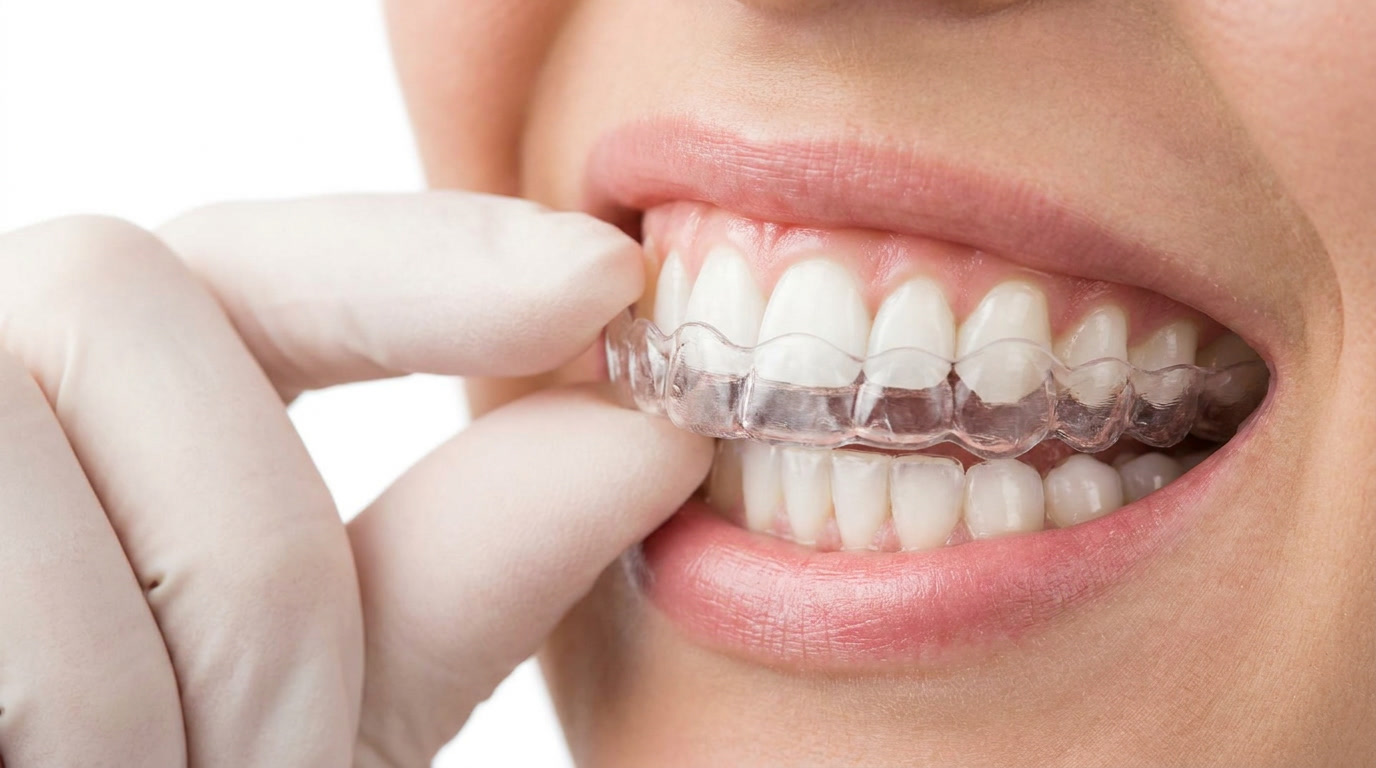
Invisalign is a clear aligner system designed to gradually move teeth into better alignment. Instead of using fixed metal components, Invisalign relies on a series of customised plastic trays made to fit closely over your teeth. These trays look similar to a mouthguard, only much thinner and virtually invisible when worn. Each aligner is worn for about one to two weeks before moving on to the next one in the sequence, allowing your teeth to shift bit by bit.
Throughout treatment, most people only remove the aligners when eating, drinking anything besides water, or brushing their teeth. Their convenience is one of the reasons adults and teens appreciate Invisalign as they can straighten their teeth discreetly while still enjoying meals and maintaining their usual oral hygiene routine.
People Choosing Invisalign Over Traditional Braces
One of the biggest appeals of Invisalign is comfort. The smooth plastic feels gentler than brackets and wires, reducing the risk of irritation inside the cheeks and lips. Because the aligners fit flush against the teeth, many people forget they’re wearing them.
Another major advantage is appearance. The aligners are clear, so they blend naturally with your teeth. For anyone in a professional environment or someone who simply prefers a subtle straightening option, invisible aligners offer a confidence-boosting solution.
Convenience also plays a big part. Since the aligners are removable, there are no food restrictions. You won’t have to worry about popcorn, nuts or crunchy snacks getting stuck, and cleaning is far easier compared to fixed braces. Routine check-ups with the dentist are still necessary, but these visits generally take less time because there are no wires that need tightening.
Attachments and IPR Explained
During Invisalign treatment, some people may need small additions called attachments. These are tiny tooth-coloured shapes placed on certain teeth. They act like grips, helping the aligners achieve more complex movements. They blend with the teeth and are removed once treatment ends.
Another technique used in some Invisalign plans is called interproximal reduction (IPR). This involves gently smoothing the sides of selected teeth to create space for alignment. Only a very thin layer of enamel is removed, and it doesn’t change the appearance of the teeth or affect their health. It simply allows the aligners to guide your teeth into their ideal position.
Why Retainers Matter After Invisalign
Once your clear aligner treatment is complete, the job isn’t over. Teeth naturally try to shift back to their original positions, which is why Invisalign retainers are essential. These retainers hold your newly aligned teeth in place while the bone stabilises around them.
Retainers come in different types, fixed retainers bonded behind the teeth, removable clear retainers, and traditional Hawley retainers. Invisalign manufactures its own retainers as well, giving patients an option that feels familiar and well-designed. Wearing retainers as instructed is a long-term commitment, but it’s the only way to protect the results you’ve worked so hard to achieve.
Thinking About Invisalign?
If you’re considering Invisalign, speaking to a qualified dentist or orthodontist can help you understand what your personalised plan would look like, from costs and treatment duration to lifestyle adjustments. Clear aligners have transformed millions of smiles worldwide, and with the right care and guidance, they can do the same for you.