Dental Sealants: A Smart Choice for Protecting Your Teeth
Keeping your teeth healthy involves more than just brushing and flossing every day. Some areas, especially the chewing surfaces of your back teeth, are naturally harder to clean, making them more prone to cavities. That’s where dental sealants come in. Dental sealants act like a protective shield, covering the tiny grooves in your molars and premolars to prevent bacteria and food particles from settling in and causing decay.
Dental Sealants Definition
Dental sealants are thin coatings made from medical-grade materials such as resin or glass ionomer. A dentist paints this liquid material directly onto the chewing surfaces of your back teeth, and once hardened, it forms a strong barrier against harmful bacteria. This layer keeps out debris, reduces your risk of cavities, and helps maintain long-term oral health.
These grooves and pits on molars are some of the most common places where cavities form, especially in children and teens. Sealants create a smoother surface, making it easier to keep these areas clean.
Considering Getting Dental Sealants
Sealants are most commonly recommended for children between the ages of 6 and 14, when the permanent molars and premolars erupt. These years are considered “cavity-prone,” so applying sealants early provides protection before decay has a chance to begin.
However, dental sealants aren’t just for kids. Adults with healthy molars—meaning no existing fillings or decay—can also benefit from the extra layer of protection. Even baby teeth may be sealed if they have deep grooves or are at high risk of early decay. Since baby teeth hold space for permanent teeth, keeping them healthy is important for proper dental development.
Quick and Comfortable Procedure
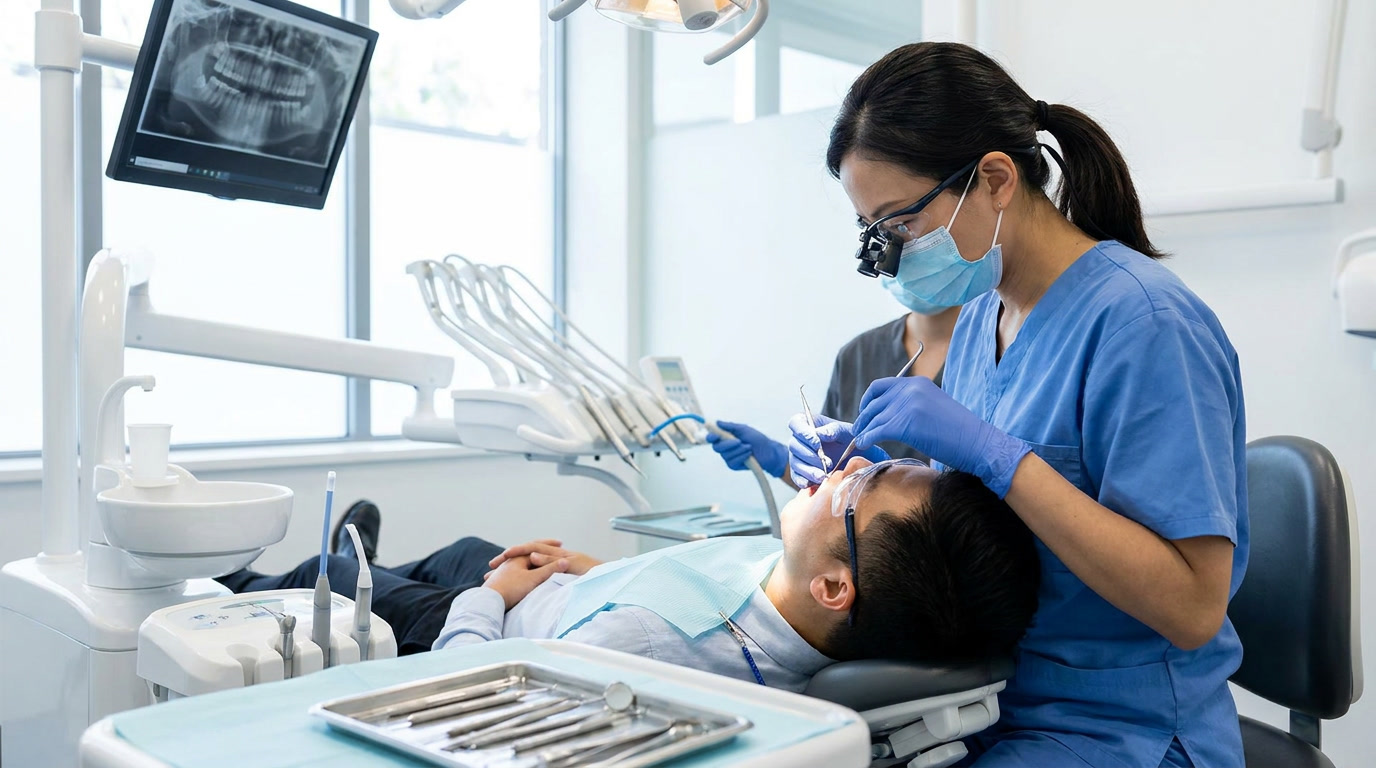
One of the best things about dental sealants is how simple and painless the process is. The entire application takes only a few minutes per tooth and requires no drilling or anesthesia. Here’s what happens during the appointment:
- The dentist or hygienist thoroughly cleans the tooth.
- The tooth is dried, and cotton is placed to keep the area moisture-free.
- A gentle etching gel is applied to help the sealant bond to the enamel.
- The gel is rinsed off, and the tooth is dried again.
- The liquid sealant is painted onto the surface of the tooth.
- A curing light is used to harden and set the sealant.
Once completed, the sealant becomes a hard, protective layer that you won’t even feel when you bite or chew.
Benefits and Things to Know
The main advantage of dental sealants is their ability to significantly reduce the risk of cavities. Even with excellent brushing habits, toothbrush bristles can’t always reach the deep pits in the molars. Sealants “seal out” plaque, food particles, and bacteria from settling in these areas.
Sealants typically last up to five years, though some can last longer with proper care. During routine checkups, your dentist will monitor their condition and recommend reapplication if needed.
Sealants do have limits. They can’t be placed on teeth that already have fillings, large cavities, or aren’t fully erupted. If bacteria get trapped under a poorly placed sealant, decay may still occur, another reason regular dental visits are important.
Maintaining Good Oral Health
After getting dental sealants, there’s no downtime, you can eat and drink normally immediately following the appointment. However, very sticky or hard foods can wear down the sealant more quickly, so enjoying these items in moderation can help them last longer.
Routine dental checkups remain essential. They give your dentist the chance to monitor your sealants, check for any signs of decay, and guide you in maintaining excellent home care habits.
最後想說的話
Dental sealants are a powerful preventive tool, offering a simple and affordable way to protect teeth from cavities. Whether for children, teens, or qualifying adults, sealants help safeguard your smile and reduce the need for more involved dental treatments in the future. If you’re wondering whether dental sealants are right for you or your child, a conversation with your dentist can provide the clarity and guidance you need.