Dental Crowns: When You Need Them and What to Expect
These custom-made caps called dental crowns are designed to fit securely over the affected tooth, helping you regain both comfort and confidence in your smile. Whether your tooth has suffered from decay, cracks, discoloration, or previous dental work, crowns remain one of the most effective restorative options in dentistry.
Why Dental Crowns Are Often Recommended
Dentists frequently suggest crowns when a tooth can no longer function properly with a simple filling. If you have a cracked tooth, a large cavity, or have undergone root canal treatment, your dentist may recommend placing a crown to provide long-term support. Aside from strengthening the tooth, crowns also improve its shape, color, and alignment — making them useful for both functional and cosmetic purposes.
Crowns are made from a range of materials, including porcelain, zirconia, metal alloys, or a combination of porcelain and metal. Each material offers unique benefits, from increased durability to a more natural, tooth-like appearance.
Understanding the Dental Crown Procedure
Getting a dental crown usually requires one or two visits, depending on the technology available at your dental clinic.
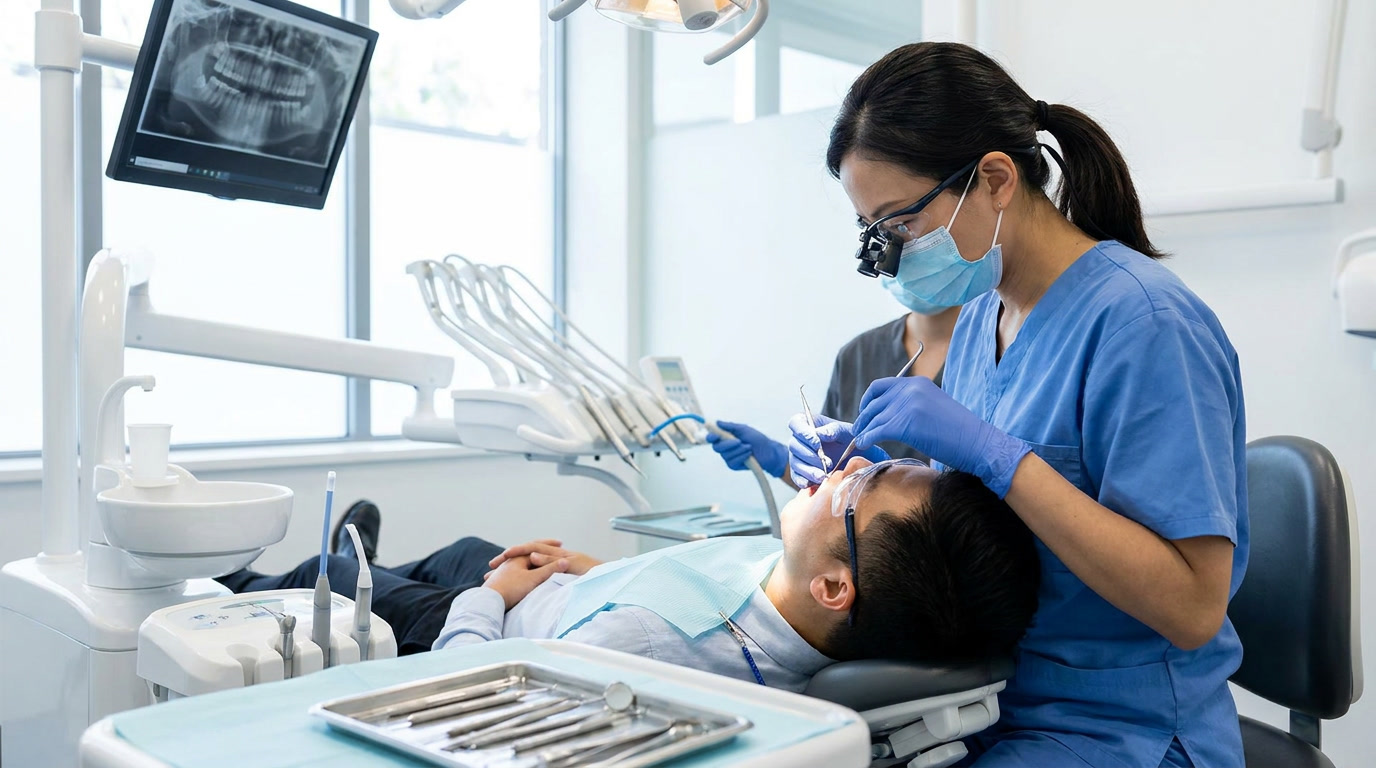
During your first visit, the dentist prepares the tooth by gently reshaping its surface. This step ensures there is enough space for the crown to sit securely without feeling bulky. After shaping, an impression or digital scan is taken. This model helps a dental technician craft a crown that matches your natural bite and tooth structure.
If your clinic offers same-day crowns, a digital design can be created immediately and sent to an in-office milling machine that forms your crown from a solid block of ceramic. Otherwise, a temporary crown is placed while the final version is being made at a dental laboratory.
Once your permanent crown is ready, your dentist checks the fit, color, and bite to ensure it blends seamlessly with your natural teeth. The crown is then cemented securely in place, restoring both the function and appearance of the tooth.
Preparing for Your Appointment
It’s helpful to talk to your dentist about :
- The type of crown that best suits your needs
- Estimated costs and how long the crown may last
- Whether local anesthesia will be used
- How many appointments are needed
These questions ensure you feel comfortable and informed throughout the process.
What Recovery Looks Like After Getting a Crown
Most people can return to normal activities shortly after the procedure. Some mild sensitivity or gum tenderness is common in the first few days, especially when eating or drinking hot and cold foods. Your dentist may recommend over-the-counter pain relievers if needed.
Once the crown is fully in place and the surrounding tissues settle, it should feel and function just like a natural tooth.
Potential Issues to Be Aware Of The Dental Crowns
Although dental crowns are highly durable, complications can occur. A crown may become loose, chip, or fall off, especially if exposed to excessive force. Decay can also develop around the edges if oral hygiene is not maintained. Sore gums, difficulty chewing, or discomfort when biting are signs that the crown may need adjustment.
Routine dental check-ups help detect early issues and keep your crown in excellent condition.
Alternatives to Dental Crowns
If a crown isn’t the right solution, your dentist may discuss other options such as veneers, inlays, onlays, dentures, or bridges. These alternatives depend on the condition of the tooth and your long-term oral health goals.