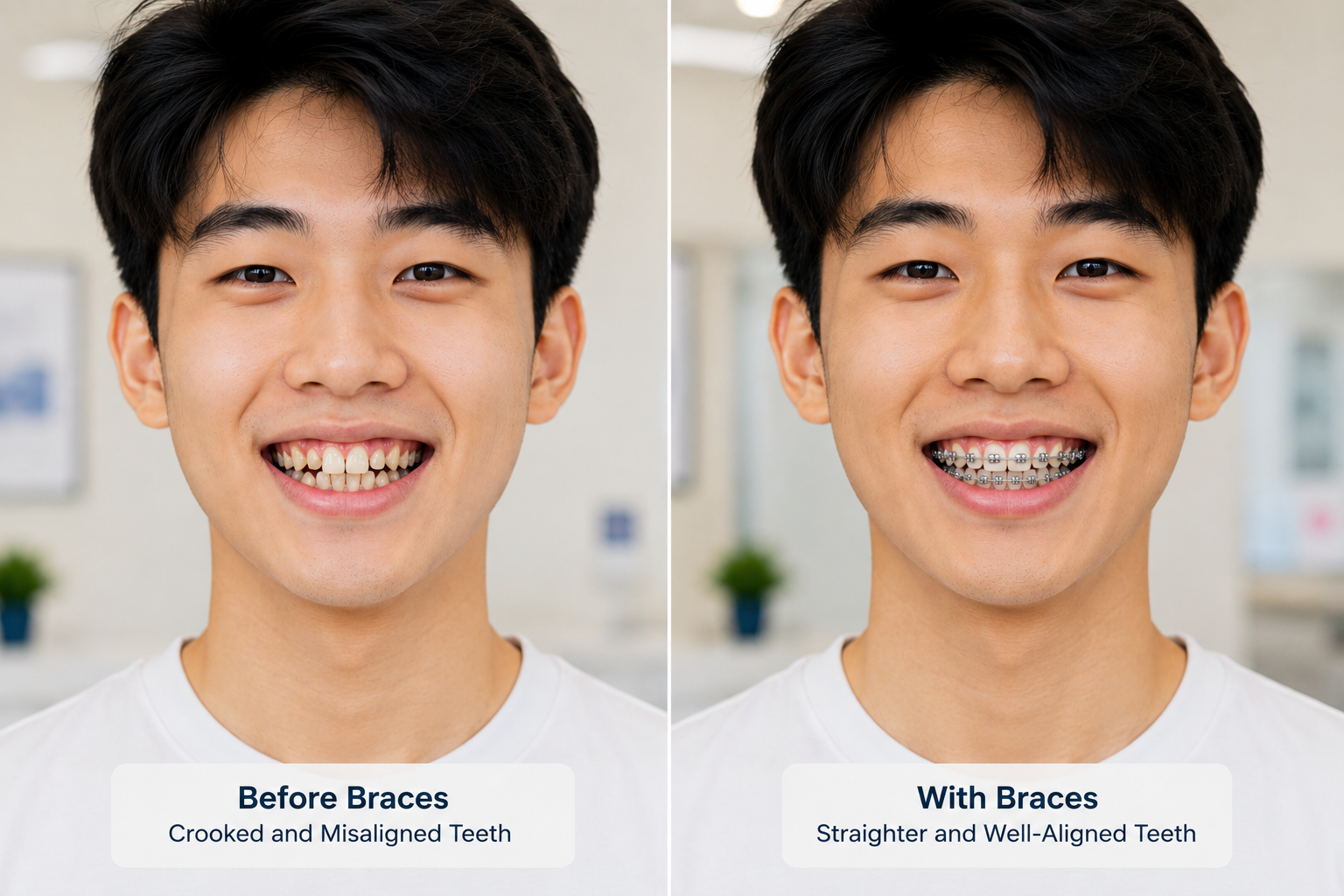

Braces: An Effective Solution for Teeth Straightening
When exploring modern orthodontic solutions, braces remain one of the most trusted and effective ways to achieve a straighter, healthier smile.
They are designed to gradually correct misaligned teeth, close gaps, and improve bite problems while enhancing both oral function and appearance.
With several types of braces available today, patients can choose an option that best suits their dental needs, lifestyle, and aesthetic preferences.
What Are Braces?
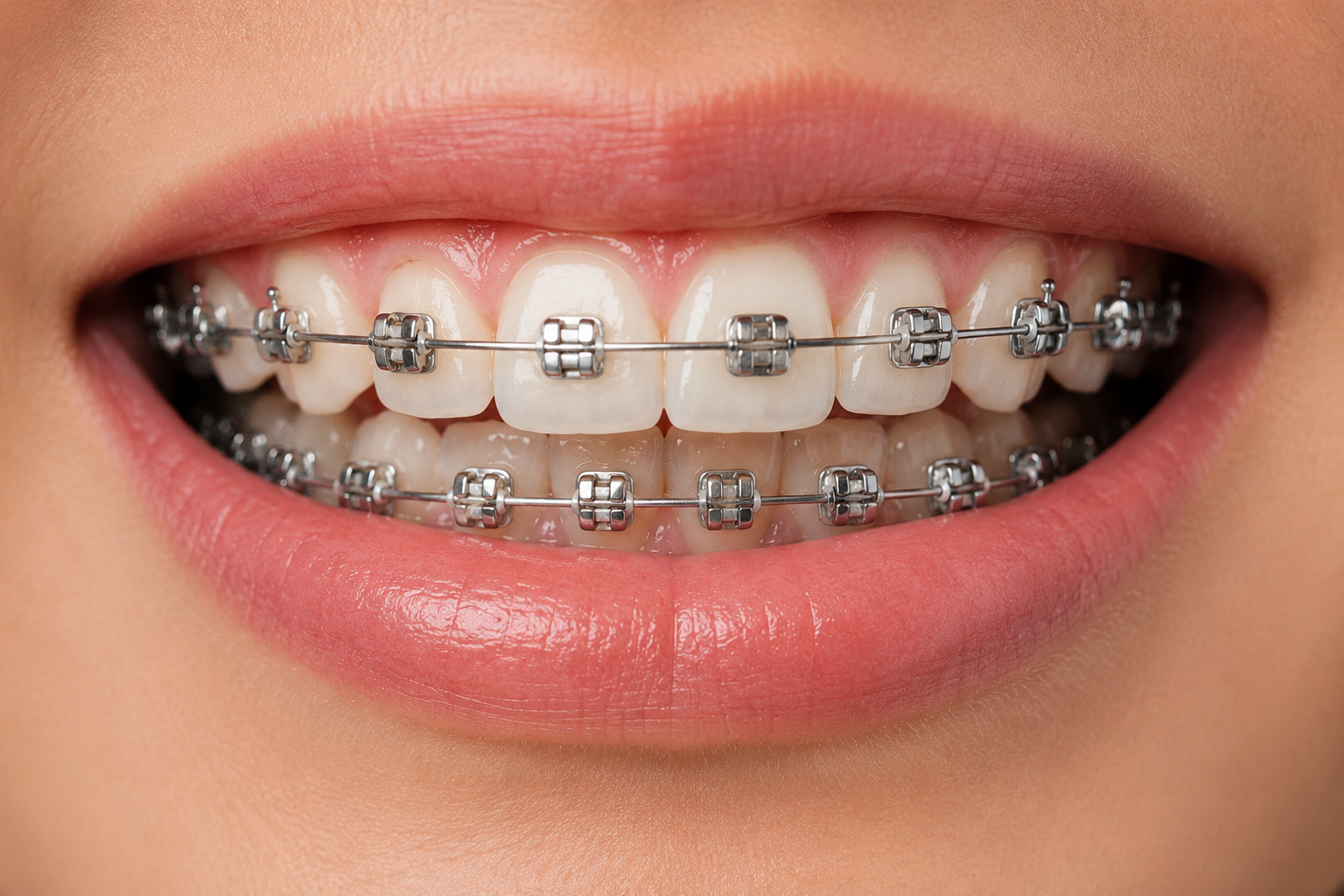
Braces are orthodontic appliances that use brackets, archwires, and, in some cases, elastic bands to apply gentle, continuous pressure that gradually moves teeth into proper alignment.
There are several types of braces, including:
- Metal braces – The traditional and most durable option.
- Ceramic braces – Tooth-colored or clear brackets that blend naturally with your teeth.
- Lingual braces – Placed behind the teeth for a more discreet appearance.
- Self-ligating braces – Designed with specialized clips that reduce friction and may simplify adjustments.
An orthodontist will recommend the most suitable type of braces based on your individual dental condition and treatment goals.
Why Choose Braces?
Braces continue to be one of the most reliable orthodontic treatments because they effectively address a wide range of alignment and bite concerns.
Key benefits include:
- Effectively straighten crooked or crowded teeth
- Close unwanted gaps between teeth
- Correct bite issues such as overbite, underbite, crossbite, and open bite
- Improve chewing, speech, and overall oral function
- Enhance smile appearance and boost confidence
- Offer multiple treatment options to suit different aesthetic preferences
With proper care and regular orthodontic adjustments, braces provide long-lasting and predictable results.
Potential Drawbacks to Consider
Although braces are highly effective, patients should be aware of some temporary challenges during treatment.
Common considerations include:
- Mild discomfort after adjustments
- Dietary restrictions to avoid damaging brackets or wires
- The need for extra attention to brushing and flossing
- Treatment duration may range from several months to a few years depending on the complexity of the case
- Some types, such as ceramic braces, may be more susceptible to staining or chipping if not properly maintained
Understanding these factors helps patients prepare for a successful orthodontic journey.
Who Is a Good Candidate for Braces?
Braces are suitable for children, teenagers, and adults who want to improve their smile and oral health.
You may be a good candidate if you have:
- Crooked or crowded teeth
- Gaps between teeth
- Bite problems such as overbite, underbite, crossbite, or open bite
- Teeth that have shifted over time
- Difficulty chewing due to misaligned teeth
A consultation with an orthodontist can determine the most appropriate treatment option for your specific needs.
Tips for Maintaining Your Braces
Good oral hygiene plays an important role in achieving the best treatment outcome.
To keep your braces clean and functioning properly:
- Brush and floss thoroughly after every meal.
- Avoid hard, sticky, and chewy foods that may damage brackets or wires.
- Limit sugary foods and drinks to reduce the risk of tooth decay.
- Attend regular orthodontic appointments for adjustments and progress monitoring.
- Follow your orthodontist’s instructions for wearing elastics or other appliances, if prescribed.
Proper care helps ensure your treatment stays on track and supports healthy teeth and gums throughout the process.
Final Thoughts
Braces remain one of the most effective solutions for correcting misaligned teeth and improving your smile.
Consulting an experienced orthodontist can help you select the treatment that best fits your goals and lifestyle, setting you on the path to a healthier, more confident smile.