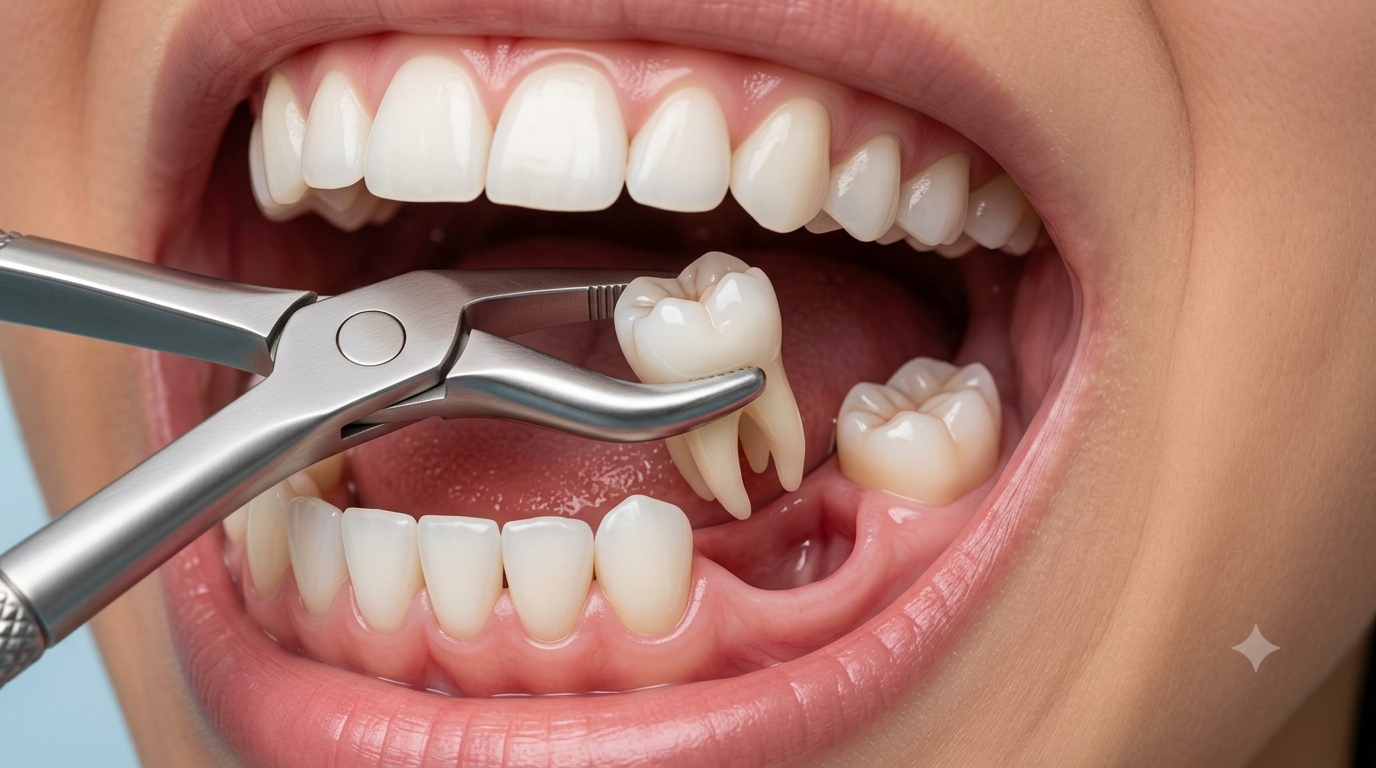

Wisdom Tooth Extraction: Early Removal Can Protect Your Oral Health
For many people, wisdom tooth extraction becomes necessary because there simply isn’t enough room in the mouth for these final molars to erupt properly.
Wisdom teeth, also known as third molars, are usually the last permanent teeth to develop. While some erupt without causing problems, many become impacted or grow in awkward positions, leading to discomfort and future dental complications.
Understanding why dentists recommend wisdom teeth removal can help you make informed decisions about your long-term oral health.
How Dentists Know It’s Time for Wisdom Tooth Extraction
Regular dental check-ups play an important role in identifying wisdom tooth problems before they become severe. During routine examinations, dentists use X-rays to monitor the position and development of your wisdom teeth.
Your dentist may recommend extraction if they notice:
- Impacted wisdom teeth trapped beneath the gums.
- Teeth growing at an angle toward neighbouring molars.
- Limited space for proper eruption.
- Pressure that could shift surrounding teeth.
- Early signs of infection or tooth decay.
- Damage to nearby bone or gum tissue.
Removing wisdom teeth before they cause symptoms is often easier than waiting until complications develop.
Risks of Leaving Impacted Wisdom Teeth Untreated
Although not everyone requires wisdom tooth extraction, untreated impacted teeth can lead to several oral health problems over time.
Potential complications include:
- Persistent jaw pain and facial swelling.
- Gum infections around partially erupted teeth.
- Tooth decay in hard-to-clean areas.
- Crowding that affects your bite or orthodontic treatment.
- Cysts that may damage surrounding bone.
- Increased risk of periodontal disease.
Early treatment helps minimise these risks while protecting neighbouring teeth.
What Happens During Wisdom Teeth Removal?
Modern wisdom teeth removal is a safe and predictable procedure performed by a dentist or oral surgeon. Depending on the complexity of the extraction, local anaesthesia or sedation may be used to ensure maximum comfort.
The procedure generally involves:
- Examining the teeth using digital X-rays.
- Administering anaesthesia or sedation.
- Creating a small opening if the tooth is impacted.
- Carefully removing the tooth, sometimes in sections.
- Cleaning the surgical site.
- Placing stitches if needed to support healing.
Most procedures are completed within an hour, and patients return home the same day.
Supporting a Faster Recovery
Healing after wisdom tooth extraction is usually straightforward when aftercare instructions are followed carefully. While mild swelling and discomfort are common during the first few days, these symptoms gradually improve.
For a smoother recovery:
- Apply cold compresses to reduce swelling.
- Eat soft foods such as soup, mashed potatoes, yoghurt, and scrambled eggs.
- Stay hydrated without using straws.
- Rest and avoid strenuous exercise for several days.
- Brush carefully while avoiding the extraction area.
- Take prescribed medications exactly as instructed.
Most people can resume normal daily activities within a few days, although complete healing continues over the following weeks.
Final Thoughts
Wisdom tooth extraction is often recommended to prevent future dental complications before they become painful or difficult to treat. Whether your wisdom teeth are impacted, causing discomfort, or showing signs of future problems on X-rays, early wisdom teeth removal can protect your smile and support better oral health.